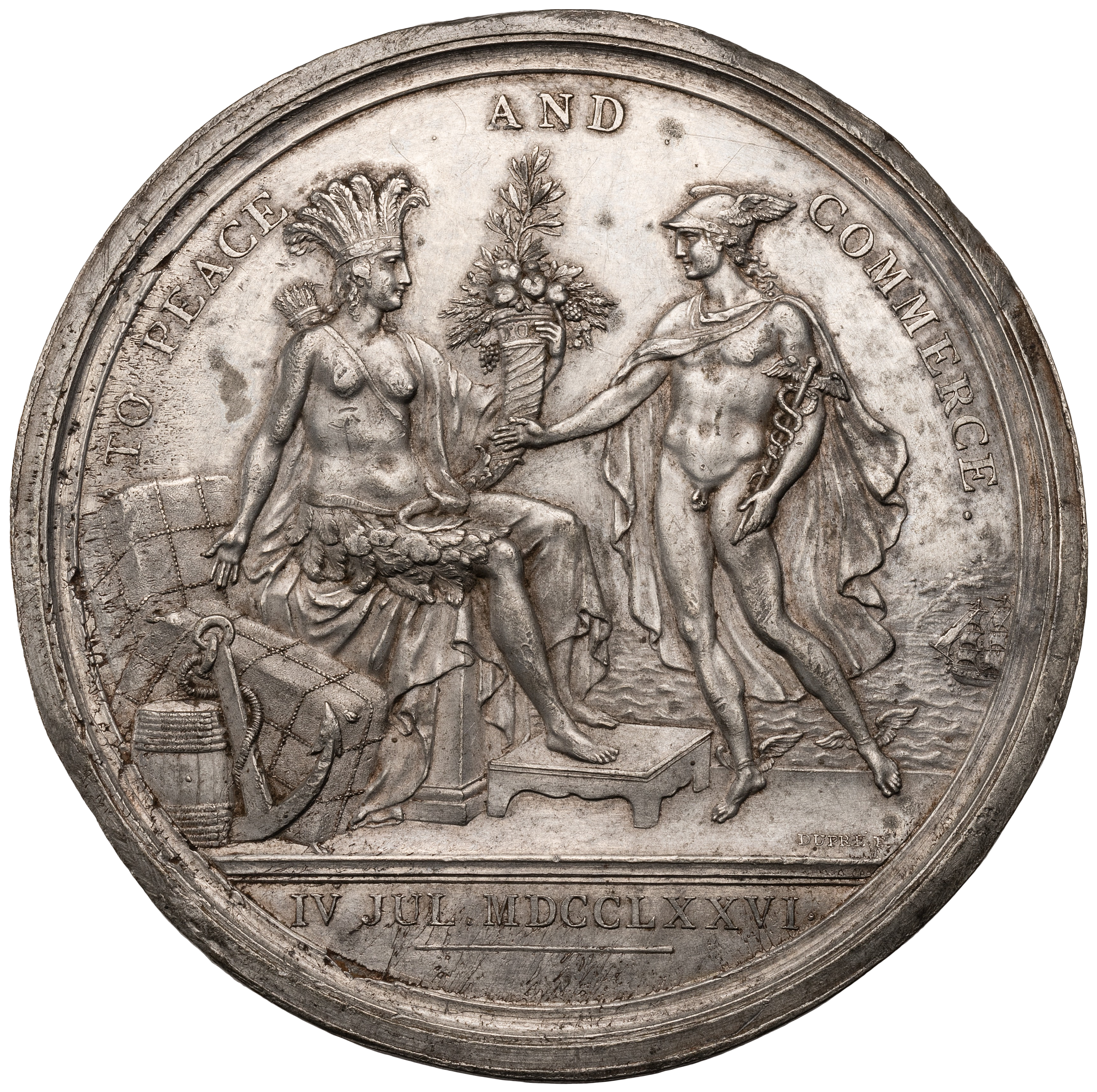
-
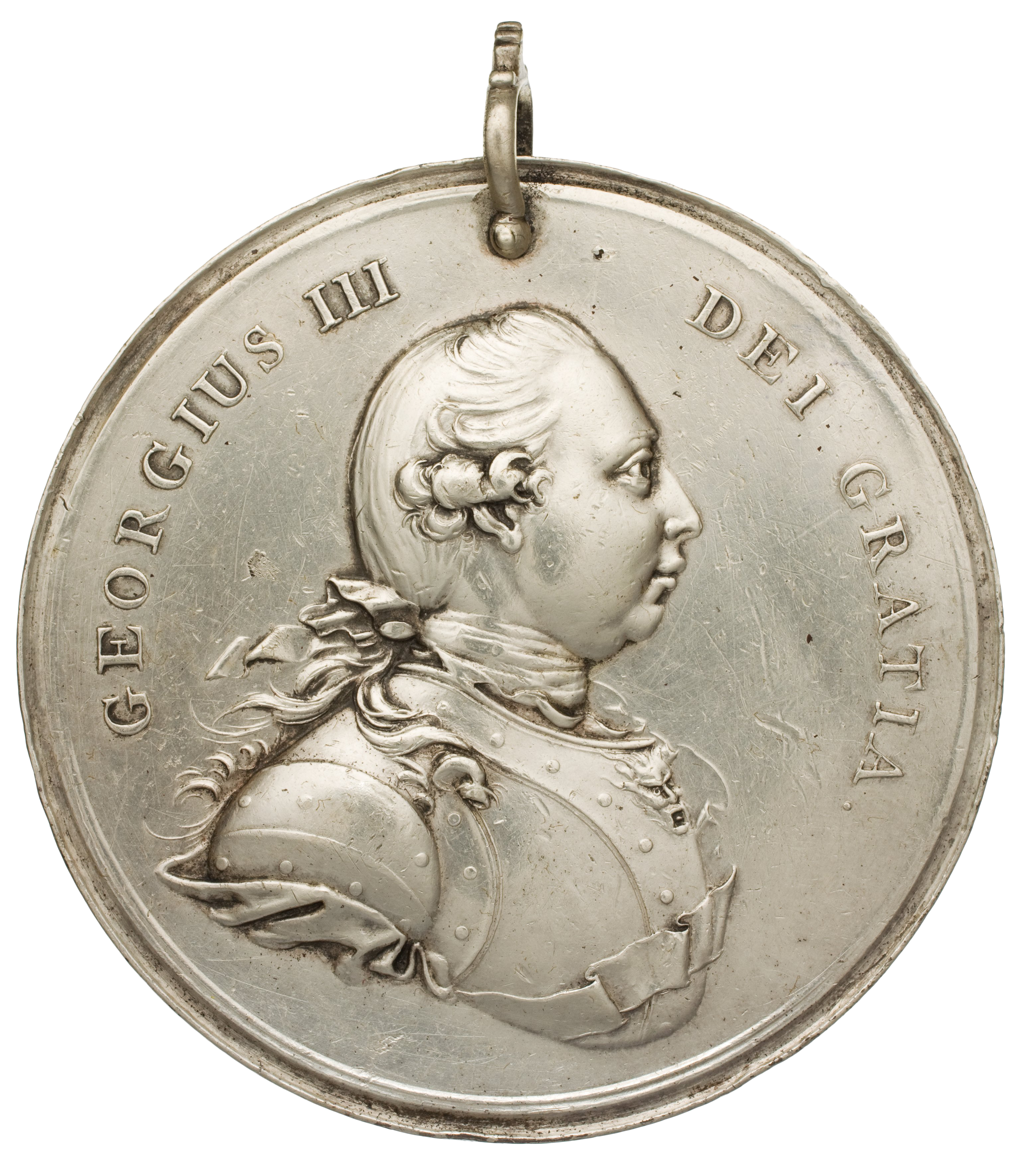
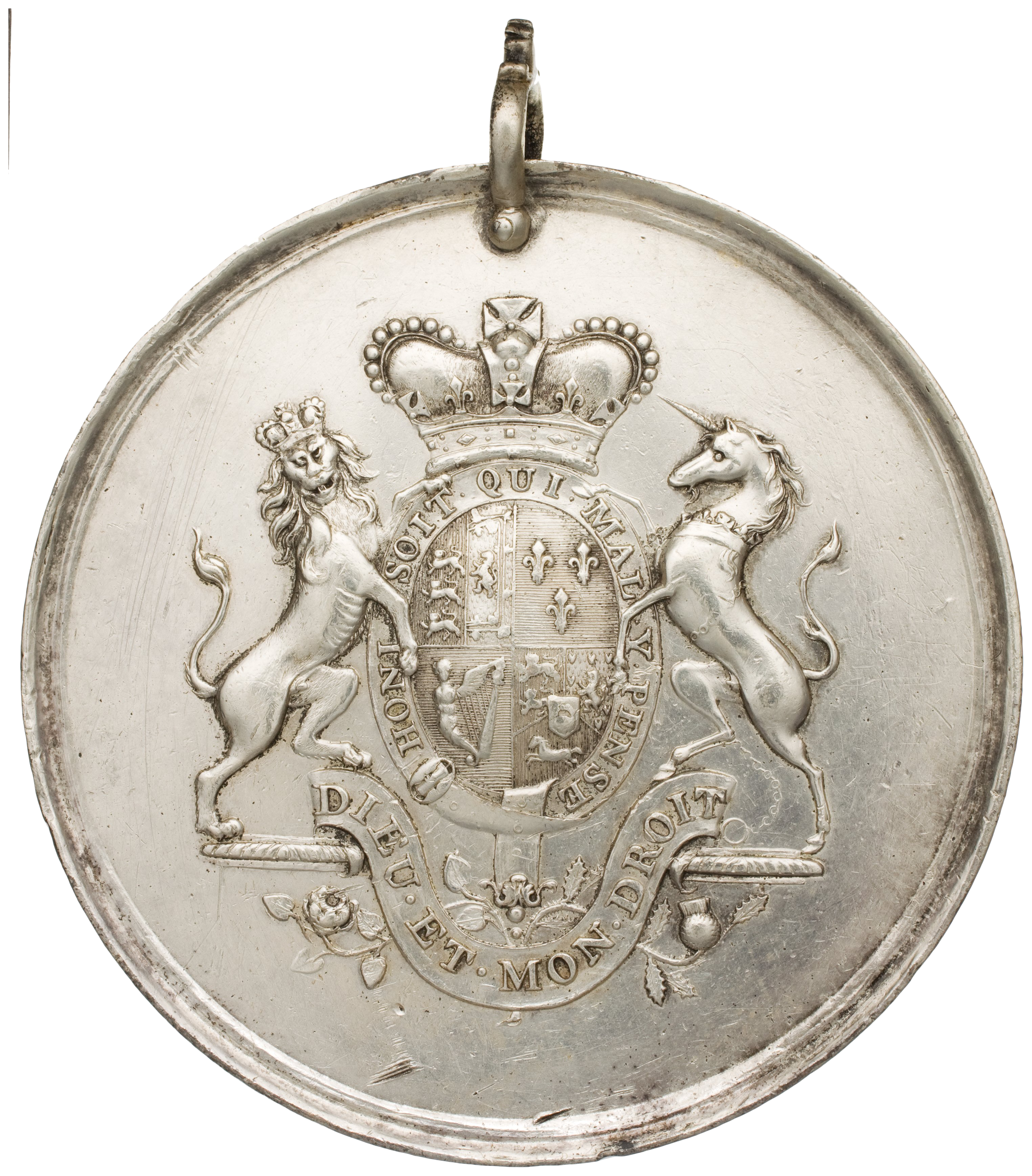
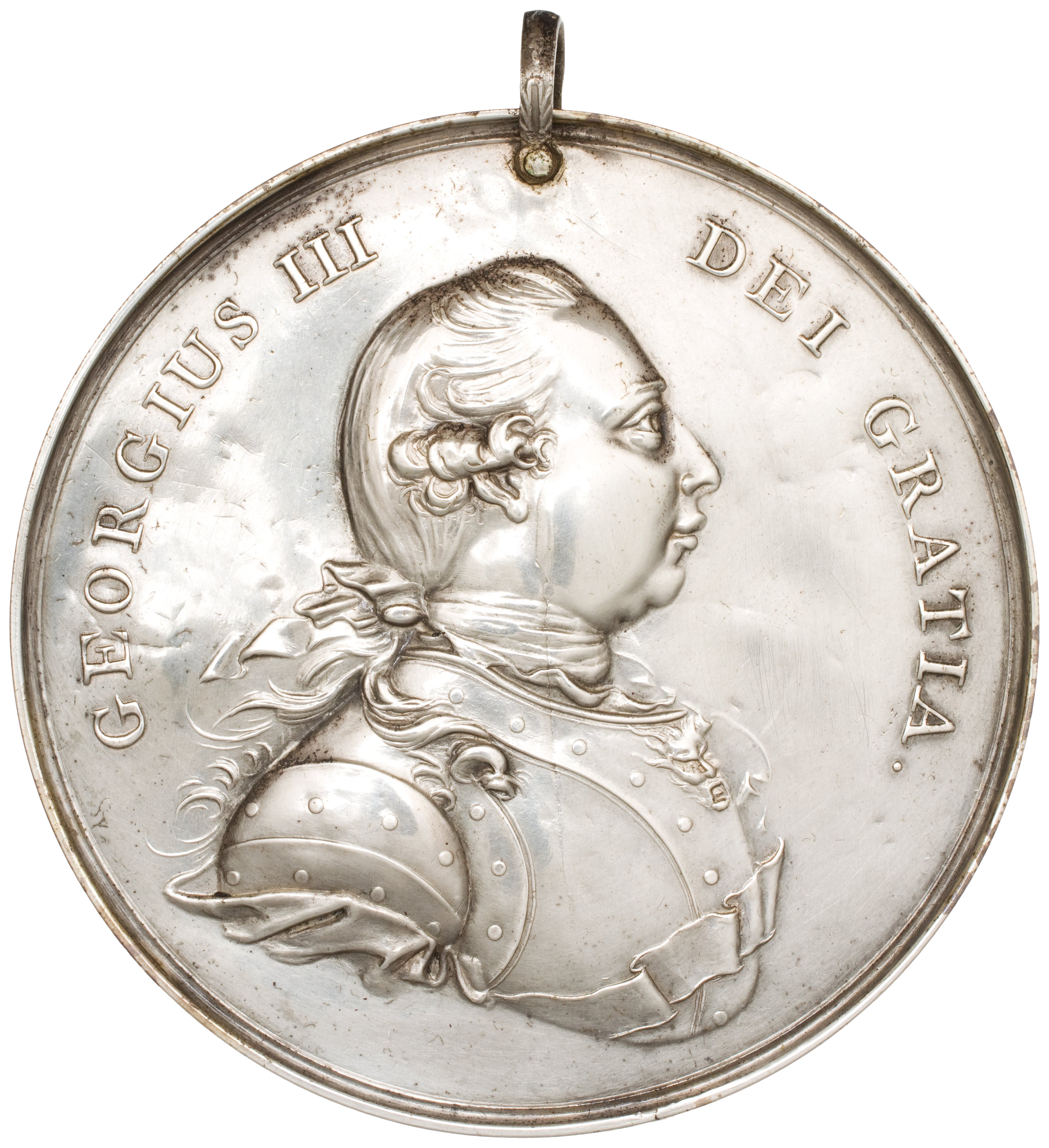
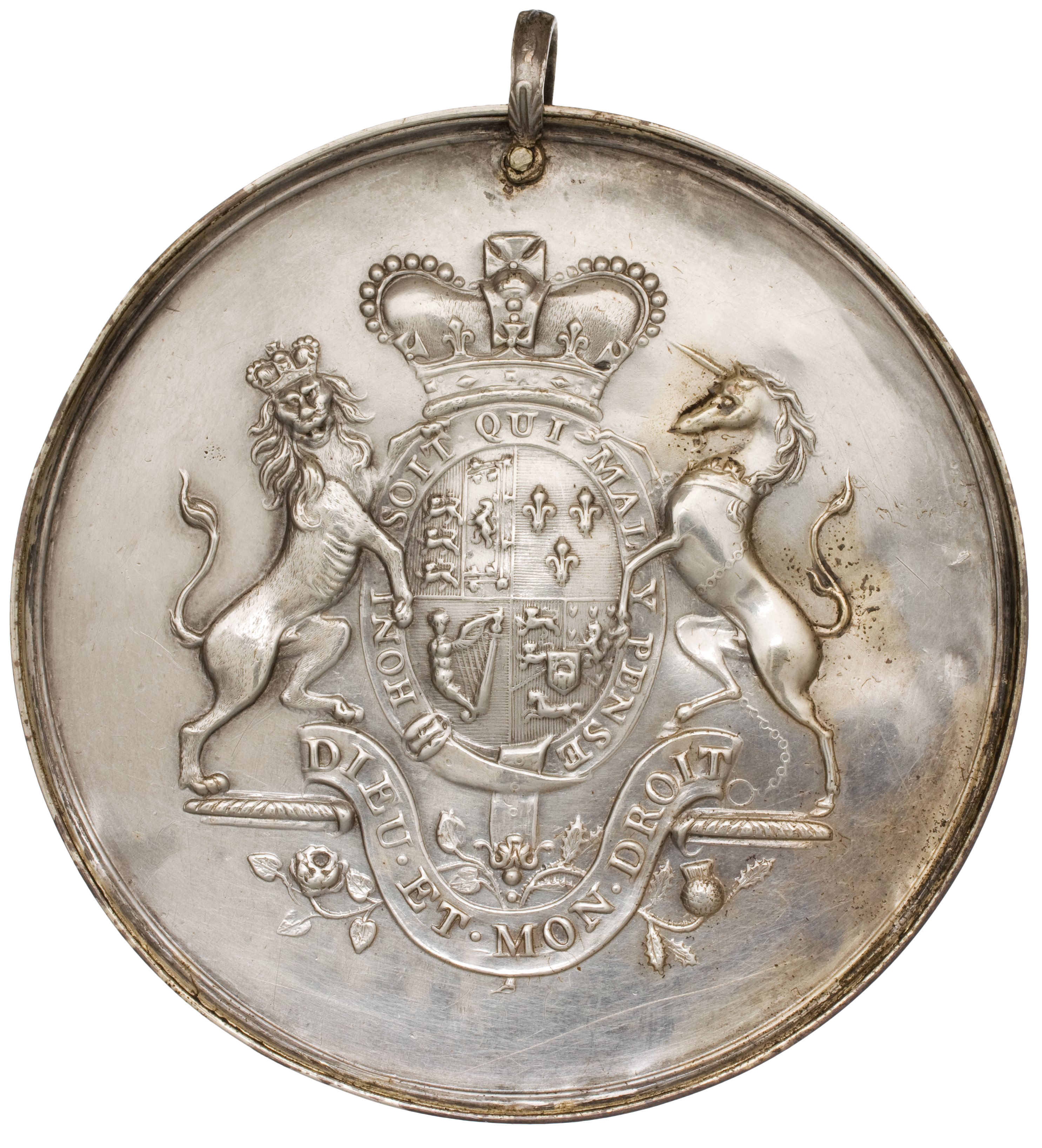
George III Peace Medals
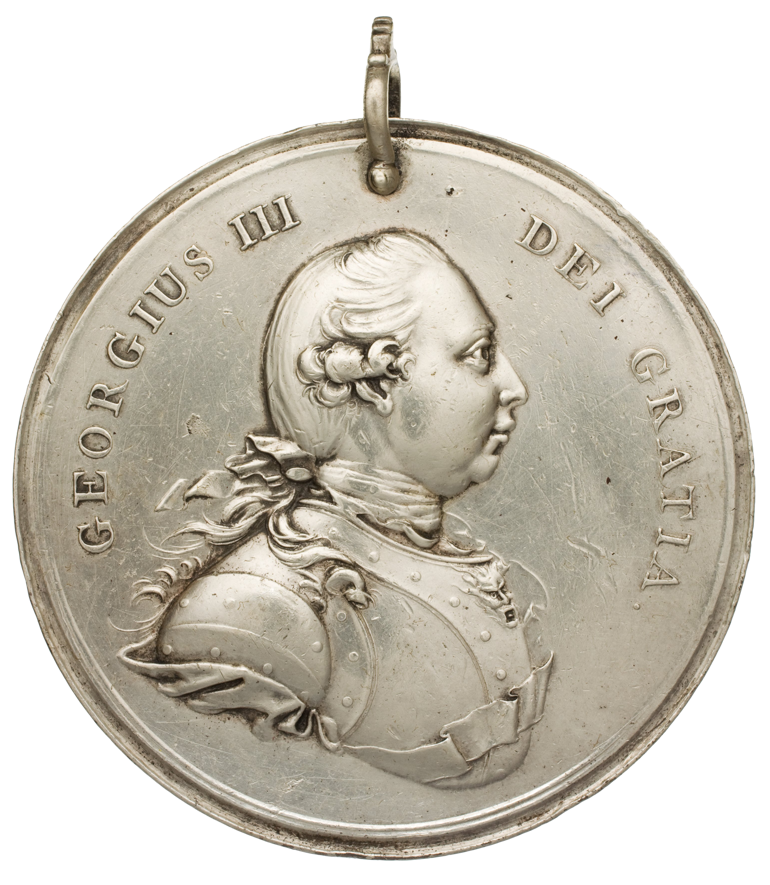
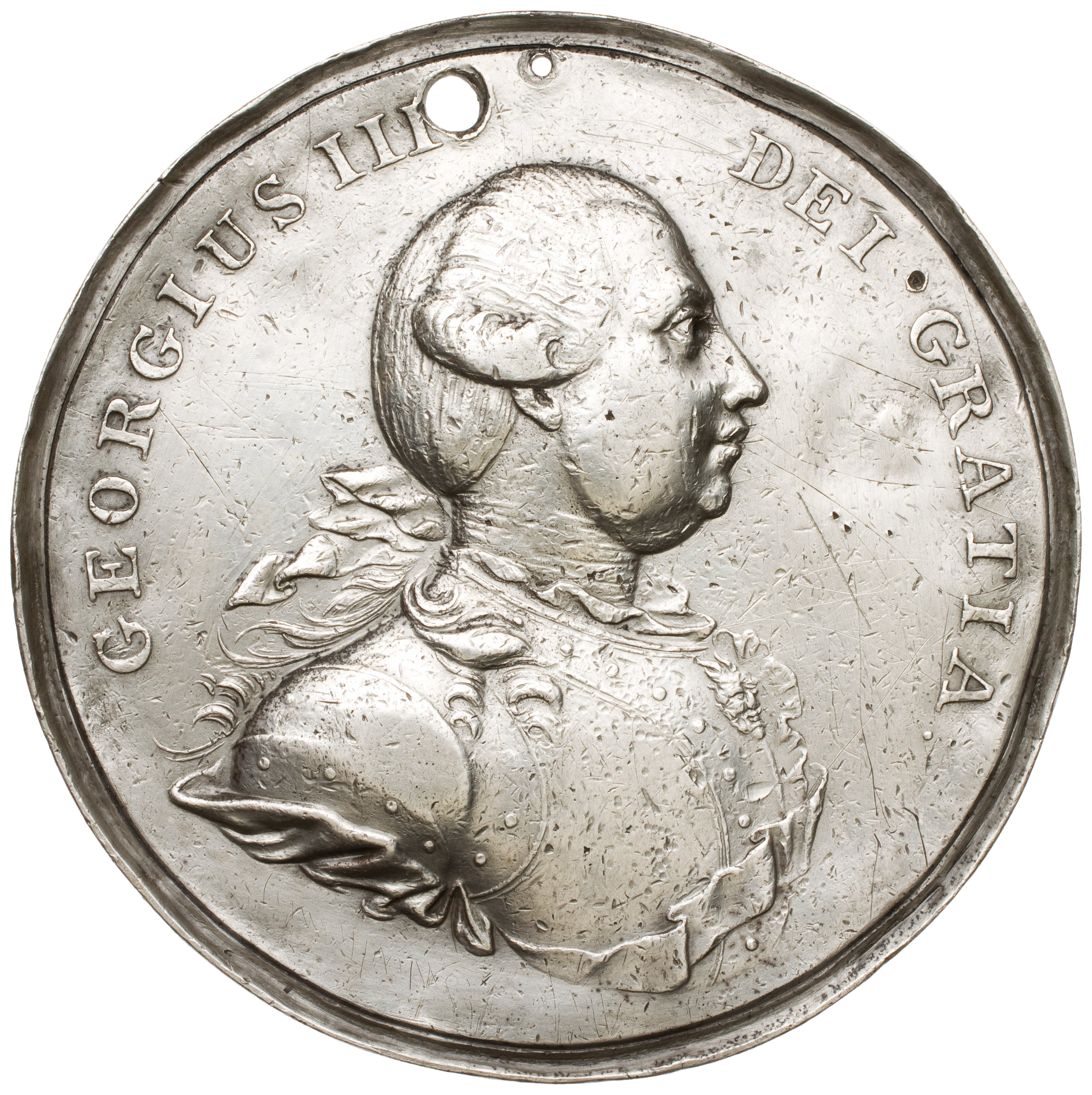
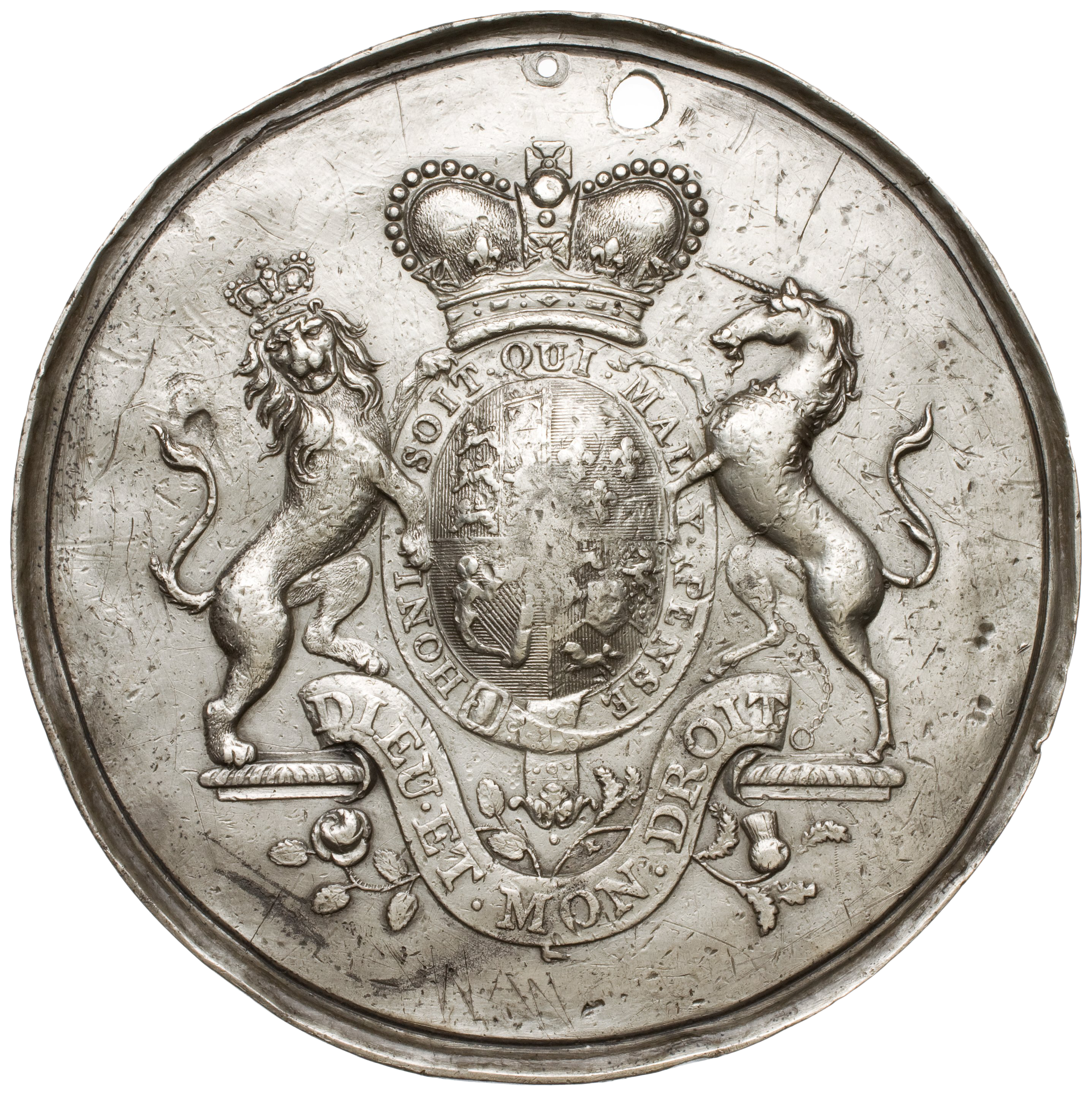
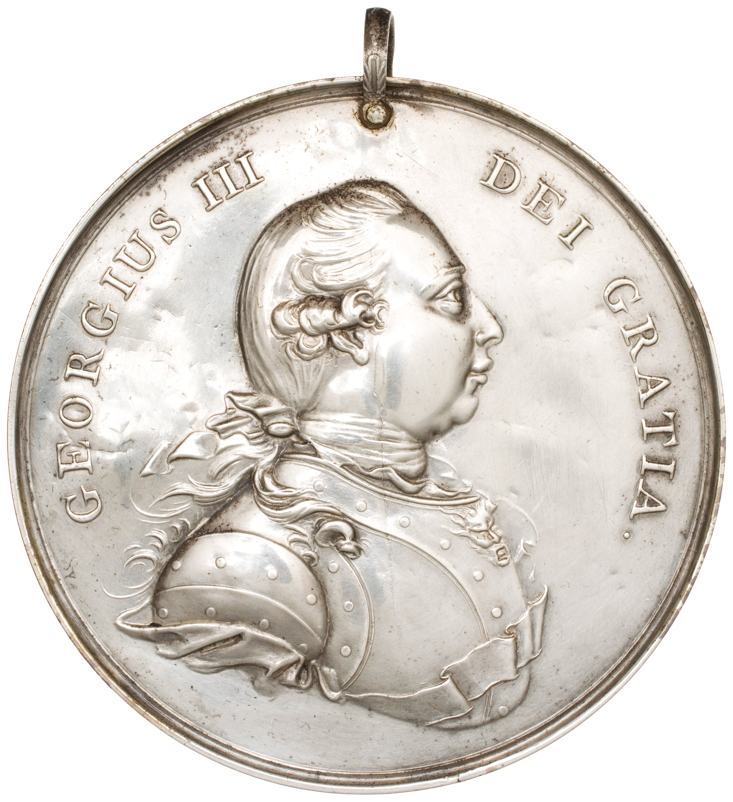
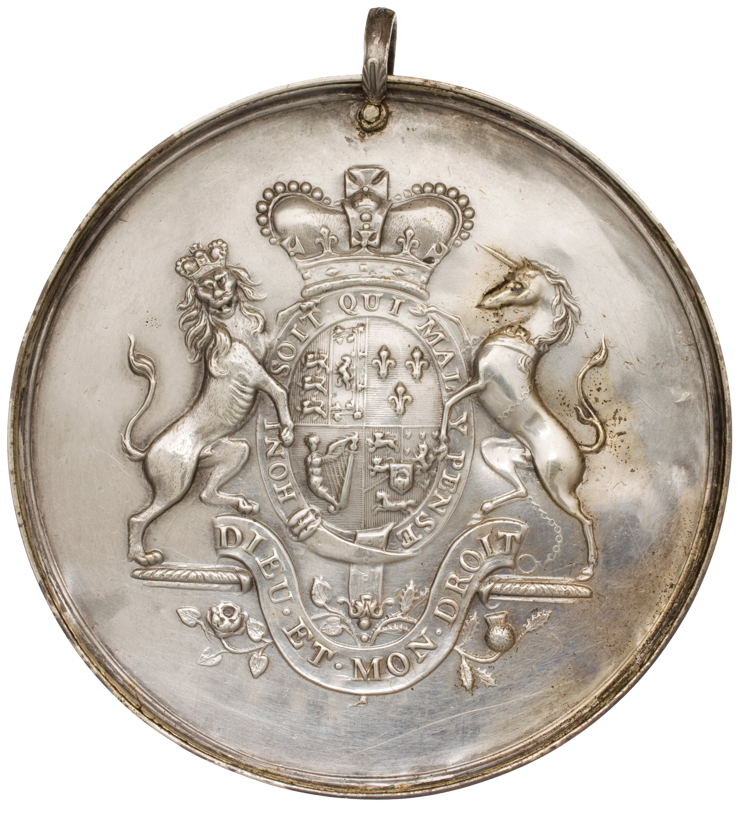
As part of the 18th-century competition for Native American lands, trade, and military alliances, European powers presented Indian leaders with so-called "Indian Peace medals" - the larger the medal, the more important the leader was thought to be.
Britain's Native American allies received medals depicting King George III and the royal coat of arms. Those who later allied with the United States traded in their British medals for American ones, as visible signs of their new allegiance.
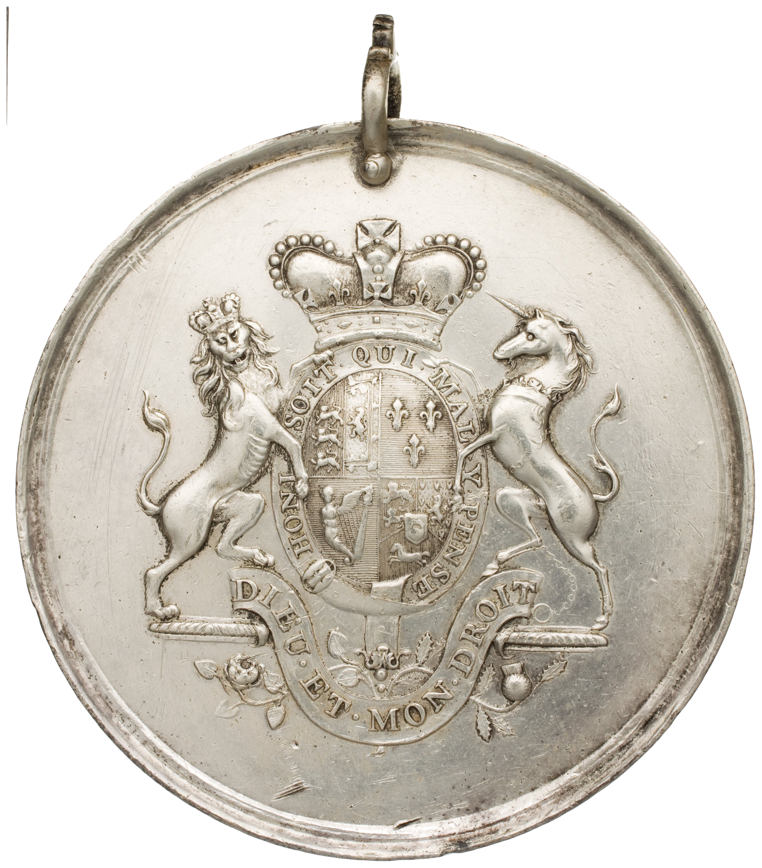
George III Peace Medal
Silver
ca. 1776-1778American Numismatic Society 1923.52.7, Acquired from Walter C. Wyman Collection
George III Peace Medal
Silver
1760-1801American Numismatic Society 1923.52.8
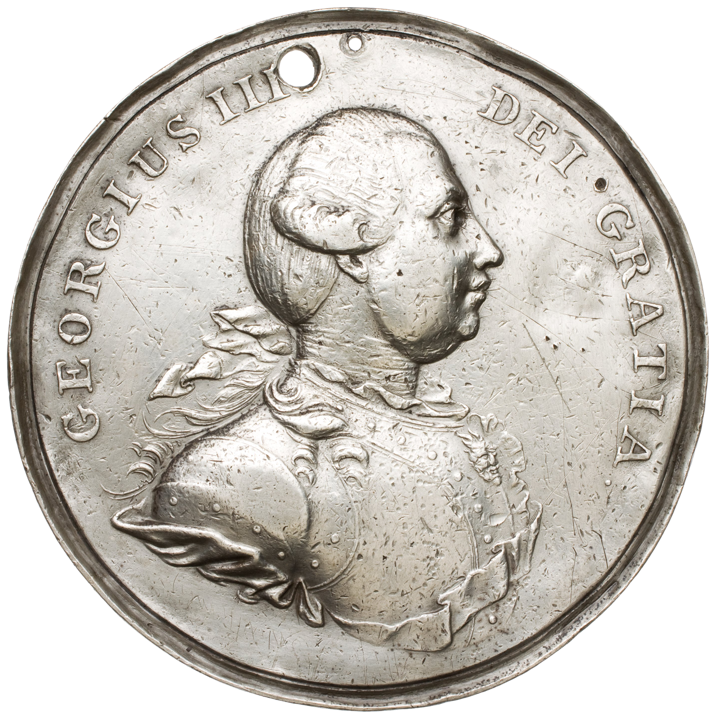
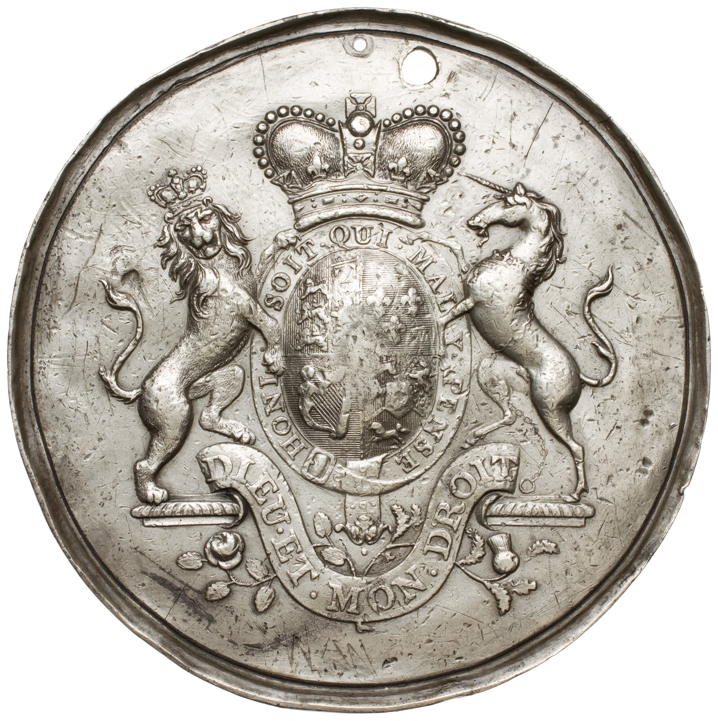
George III Peace Medal
Silver
1760-1801American Numismatic Society 1919.154.1, Acquired from Mrs. John Reilly
-
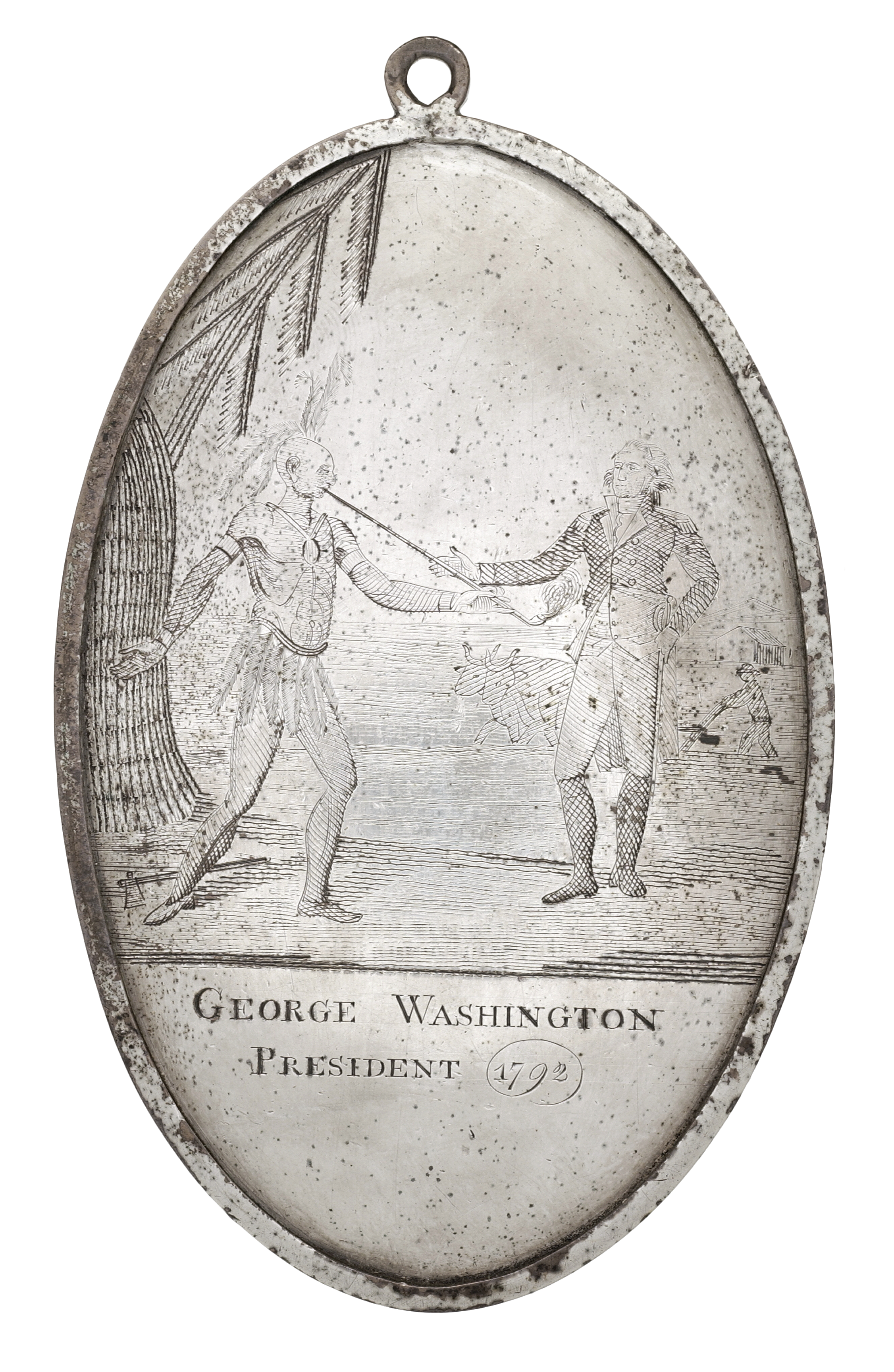
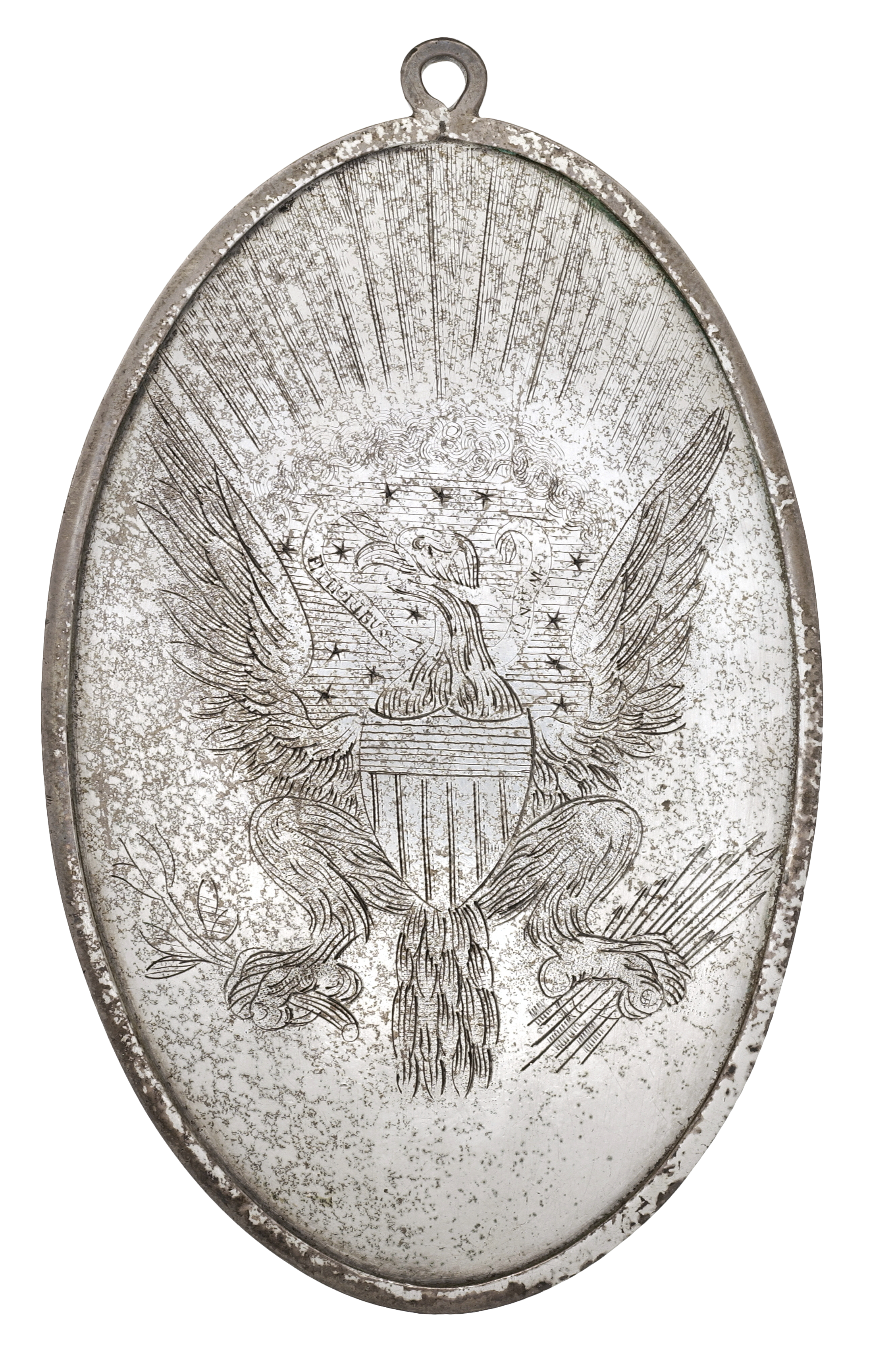
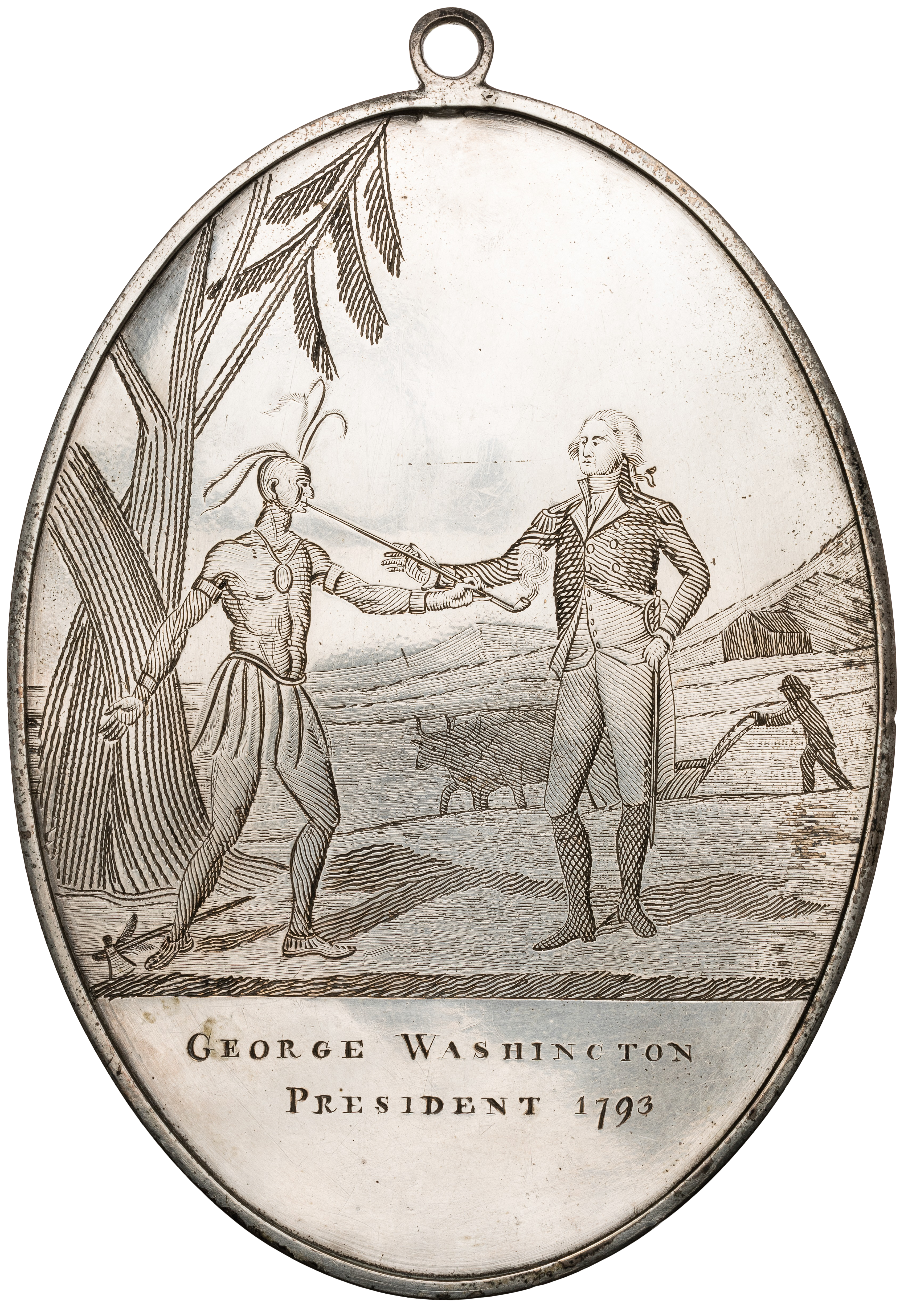
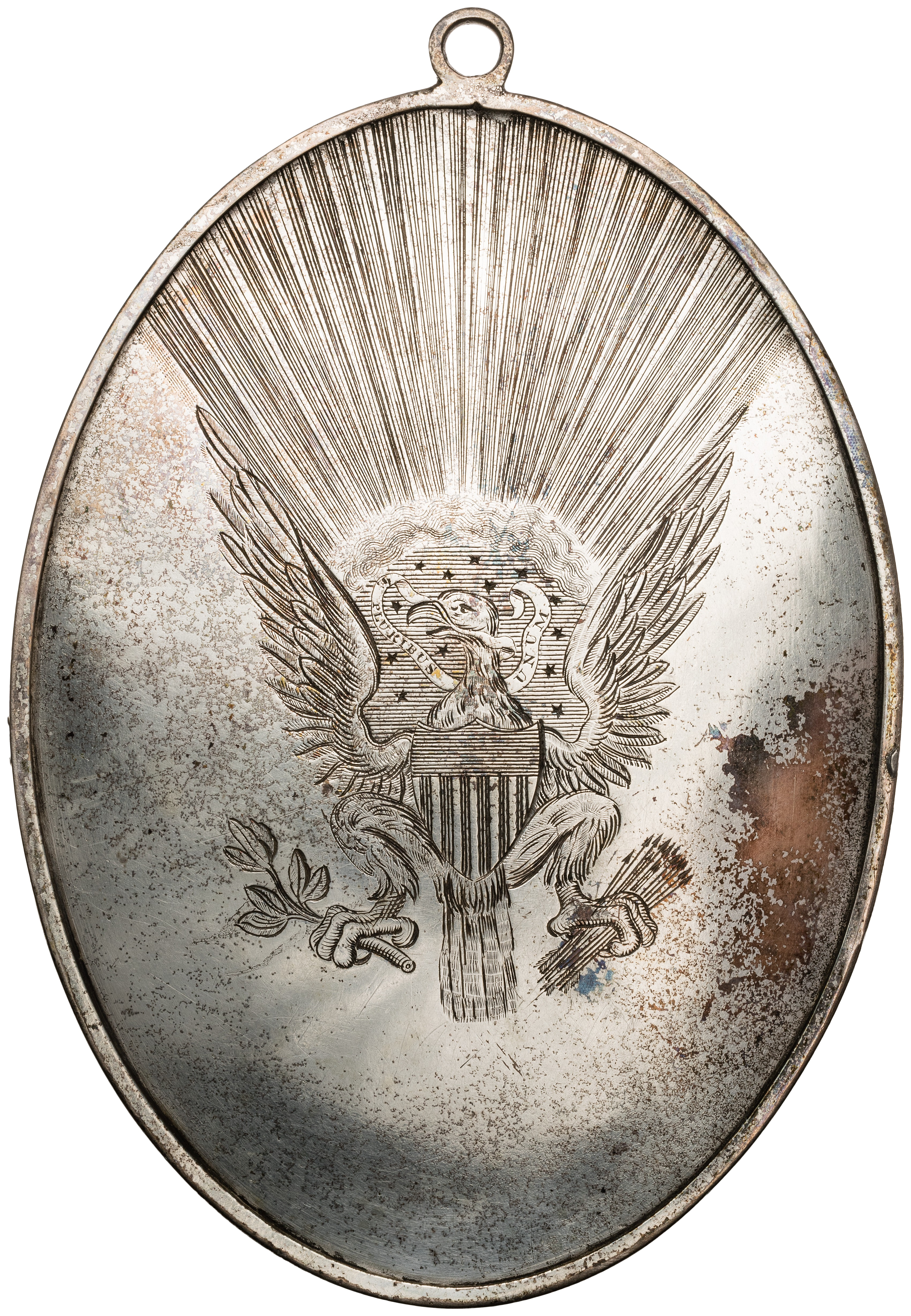
George Washington Oval Peace Medals
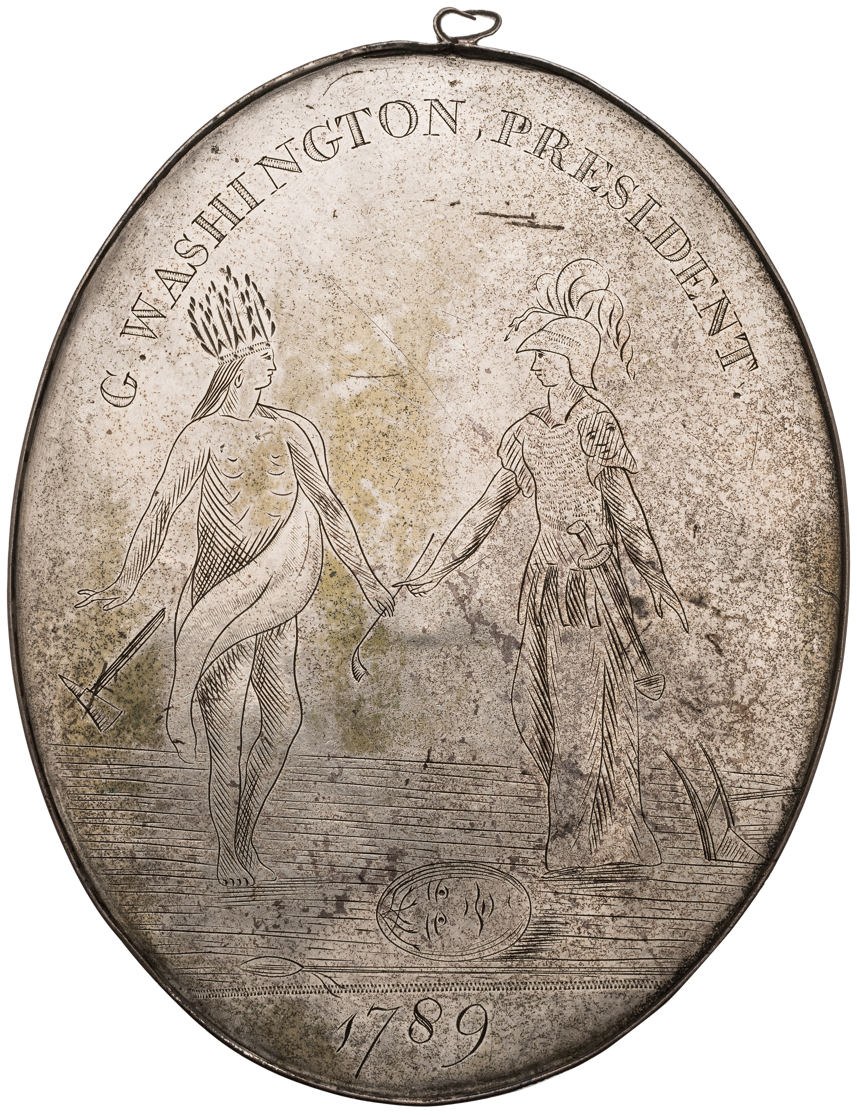
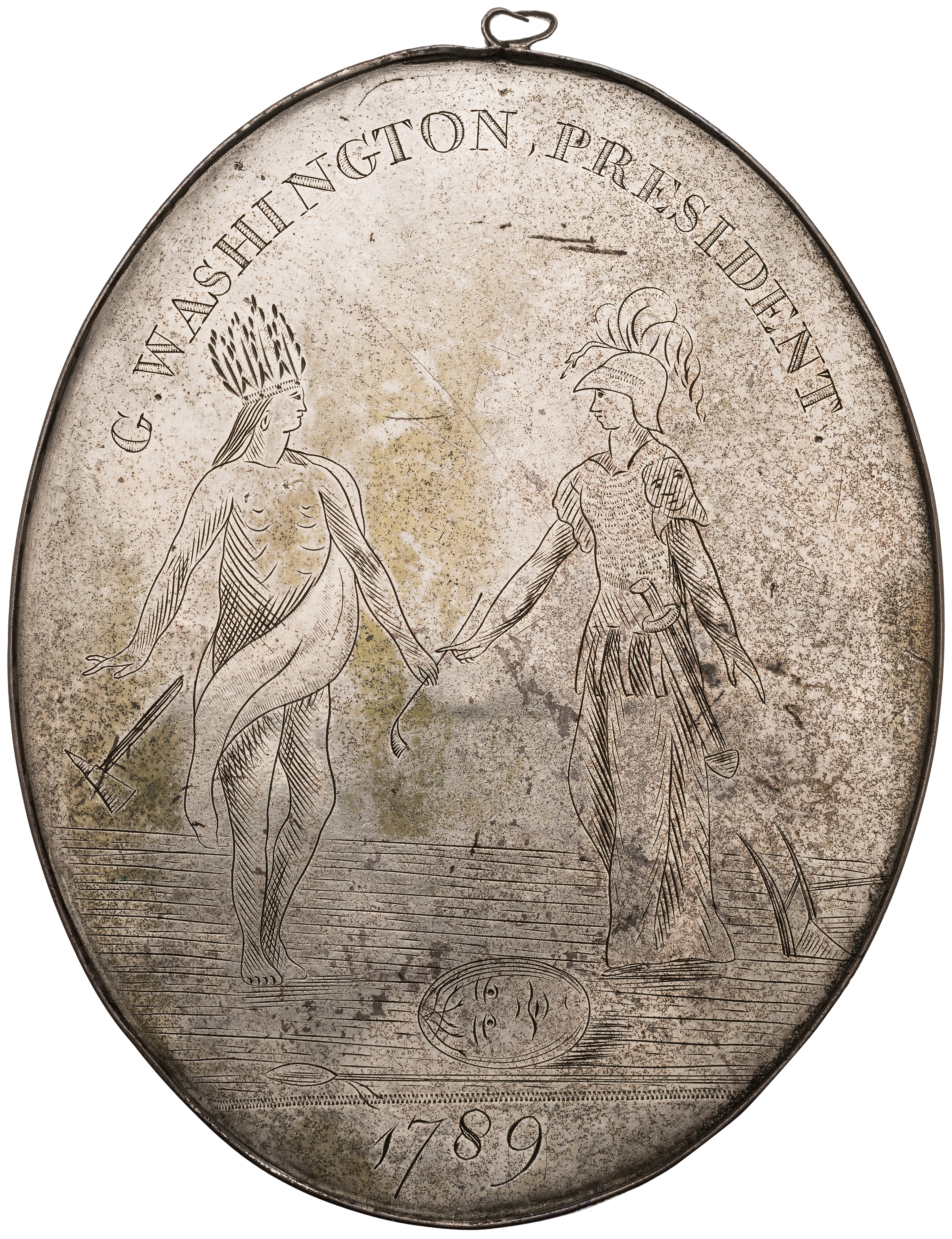
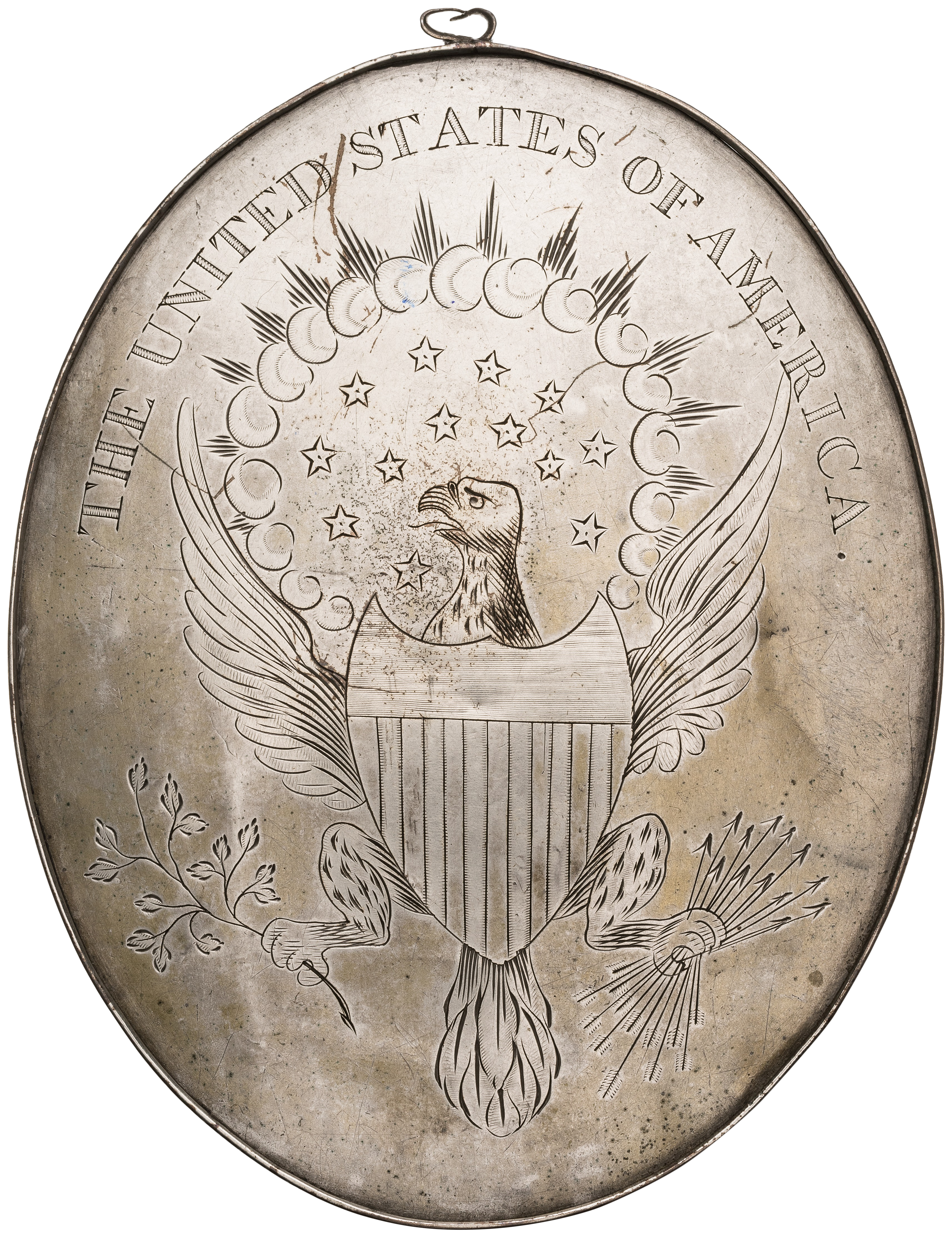
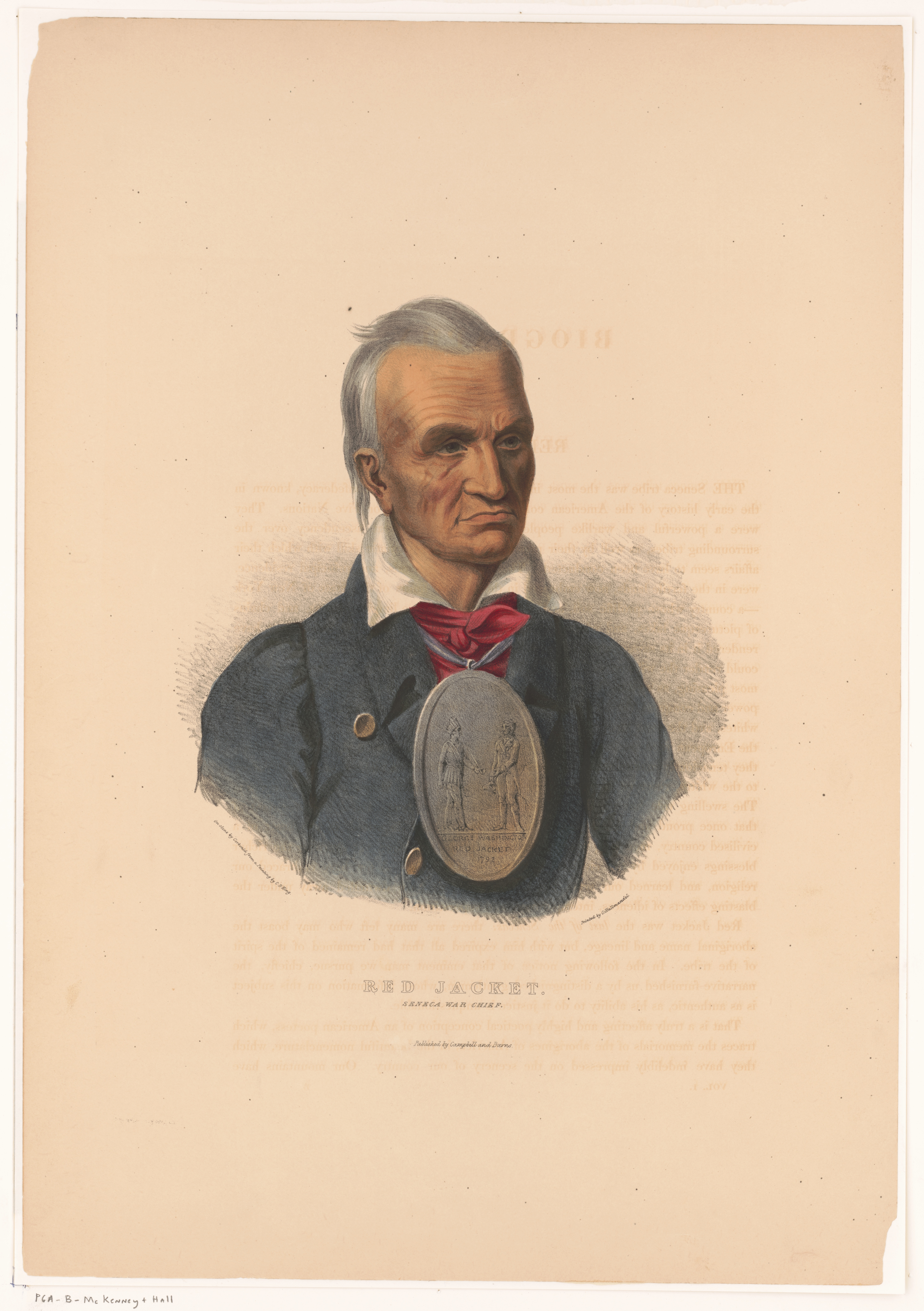
George Washington faced the challenge of adapting monarchical practices to republican ideals. Because no American mint possessed the technology to produce large dies, these medals were hand-engraved by individual silversmiths on thin plates of rolled silver, making each medal unique.
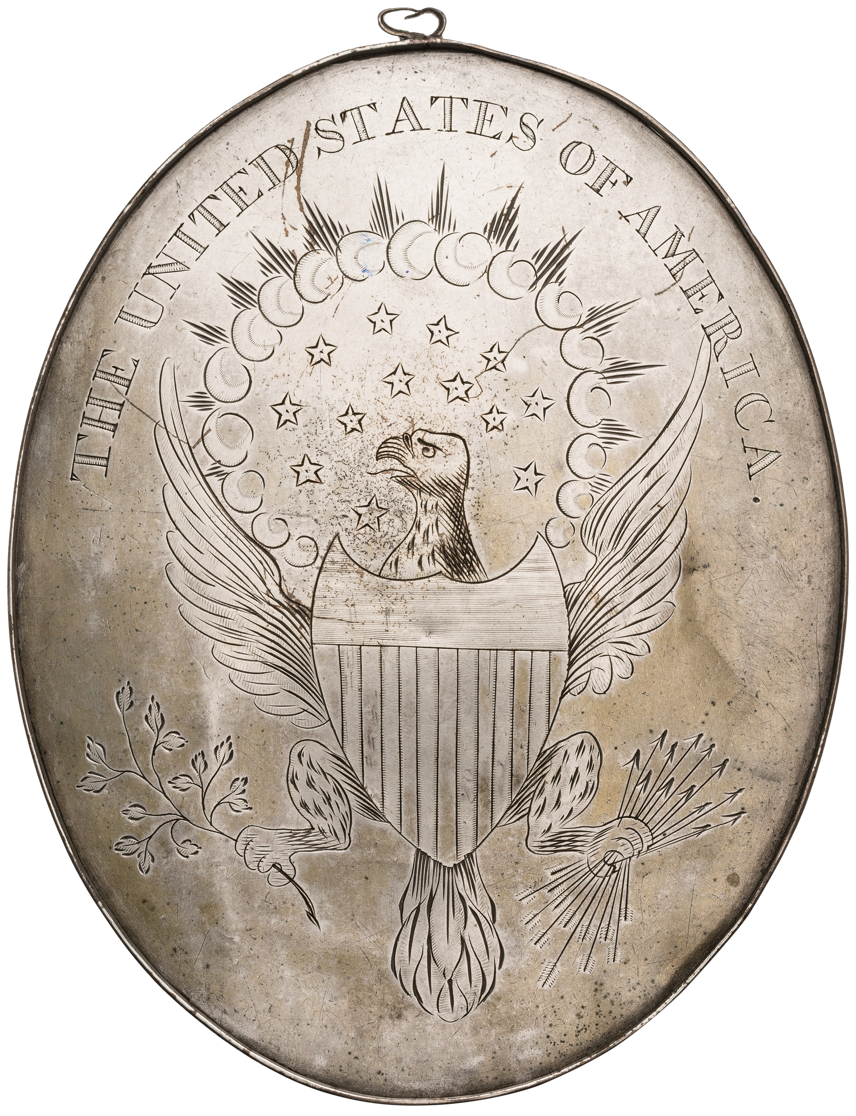
Medium size Washington Peace Medal
Silver
Possibly made in New York City
1789American Numismatic Society 1916.999.197, Acquired from John F. Noegel
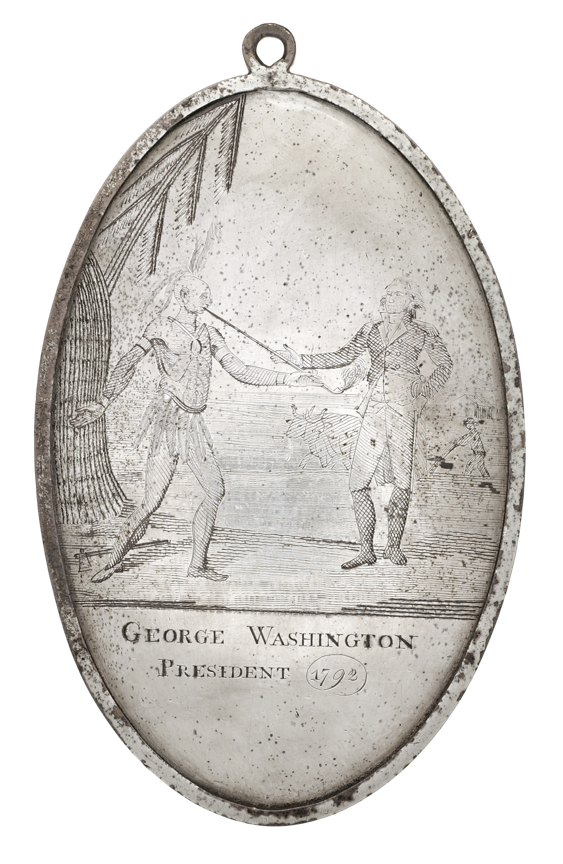
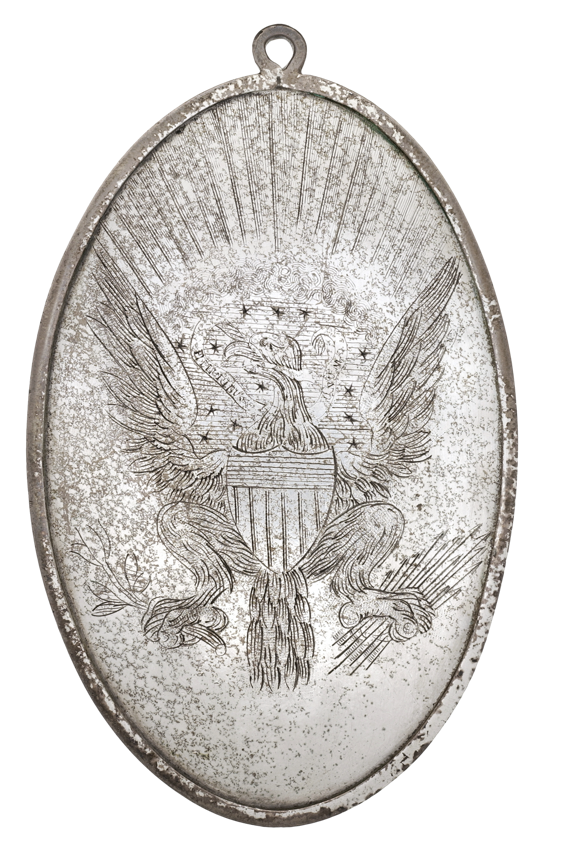
Small size Washington Peace Medal
Silver
Probably made in Philadelphia
1792American Numismatic Society 1921.23.1
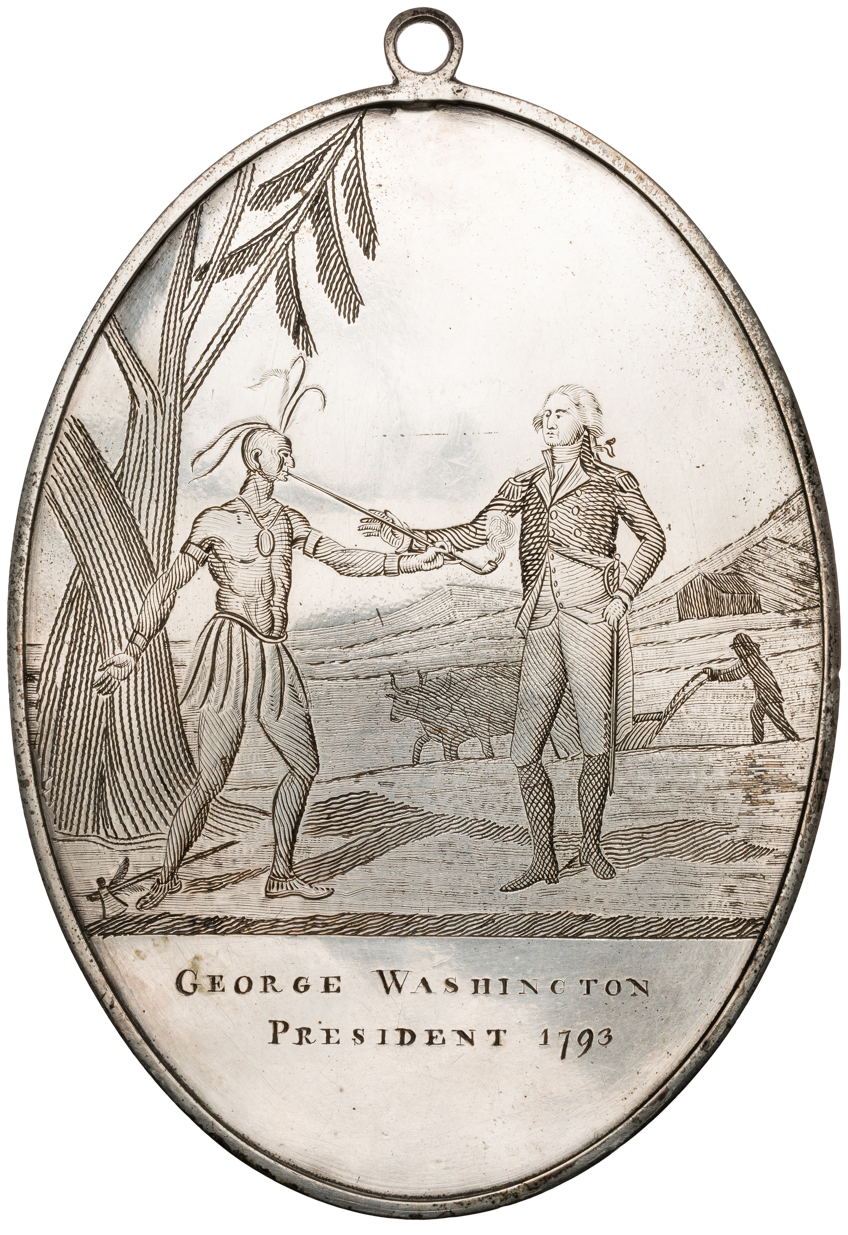
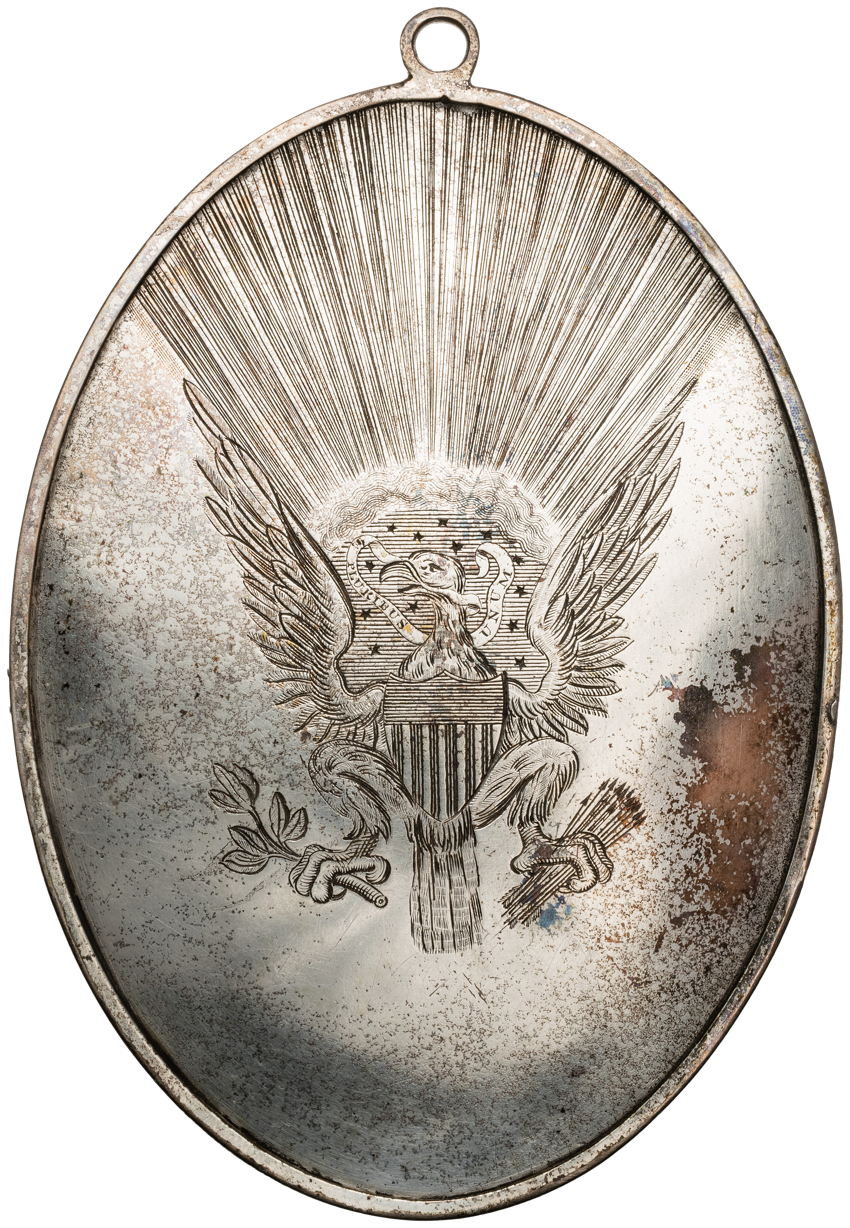
Large size Washington Peace Medal
Silver
Probably made in Philadelphia
1793American Numismatic Society 1915.138.4, Gift of Stephen H.P. Pell
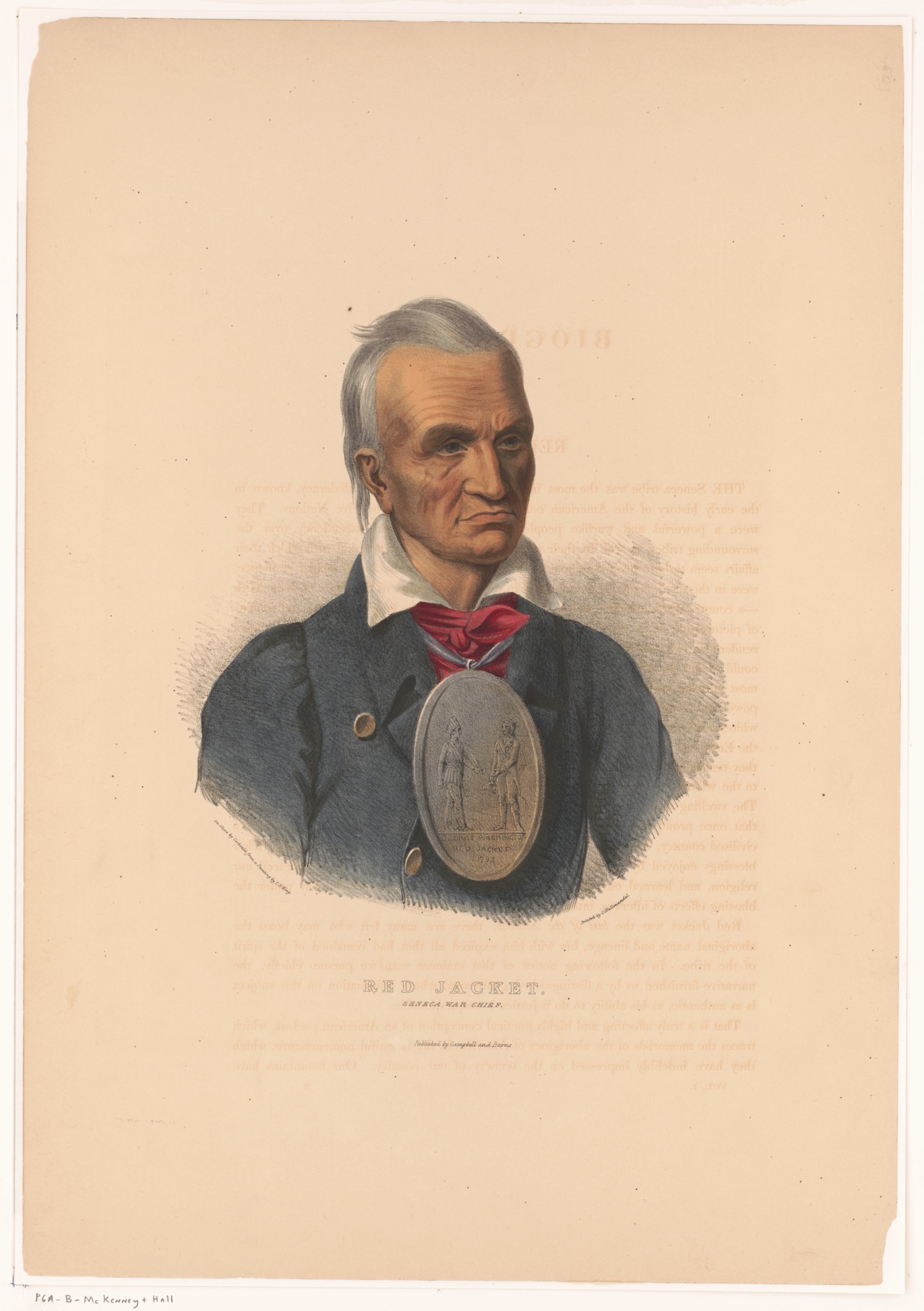
Red Jacket, Seneca War Chief
Lithograph by Charles Joseph Hullmandel after Charles Bird King
ca. 1830-1840Courtesy of the Library of Congress, Washington D.C.
-
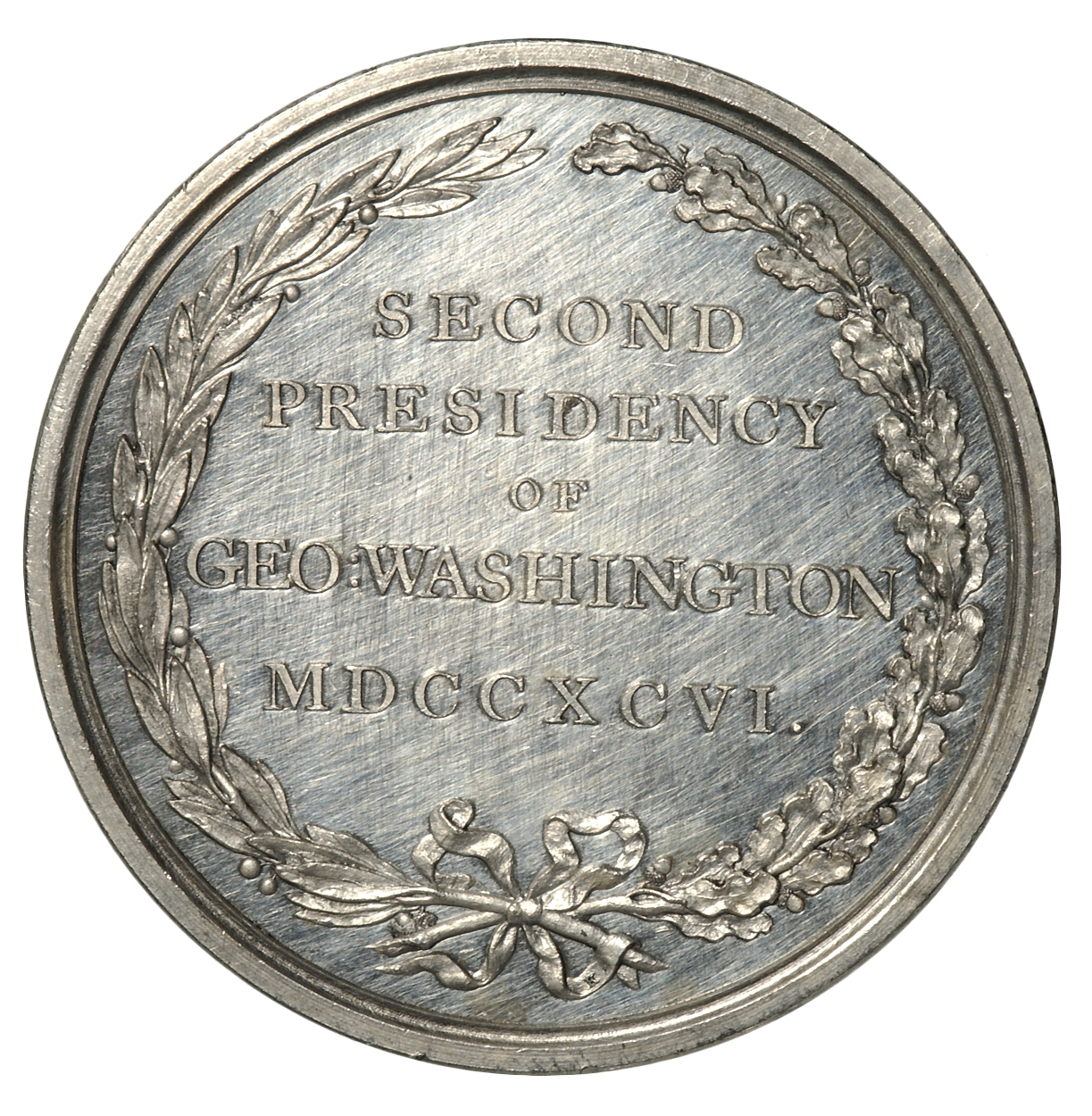
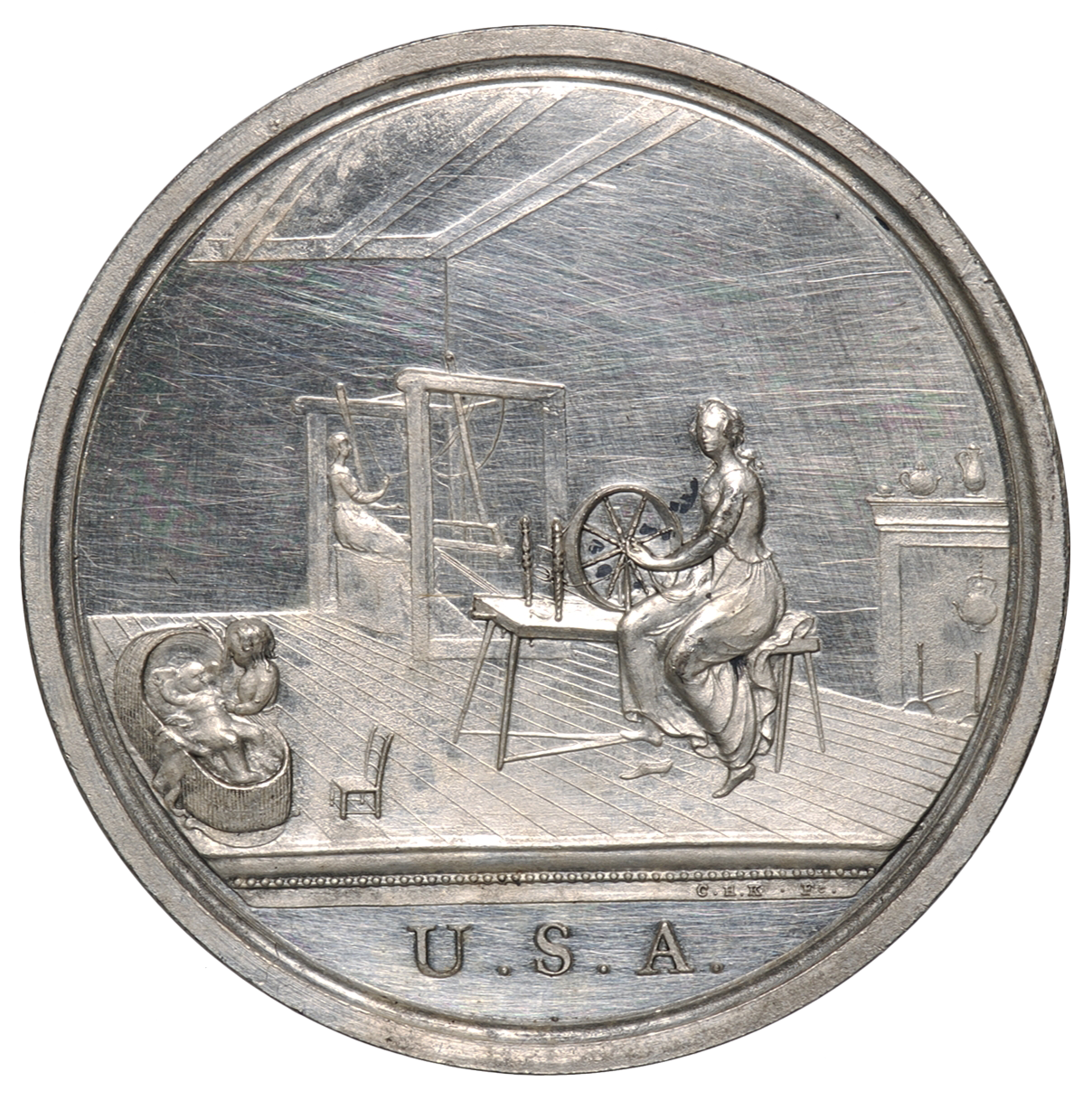
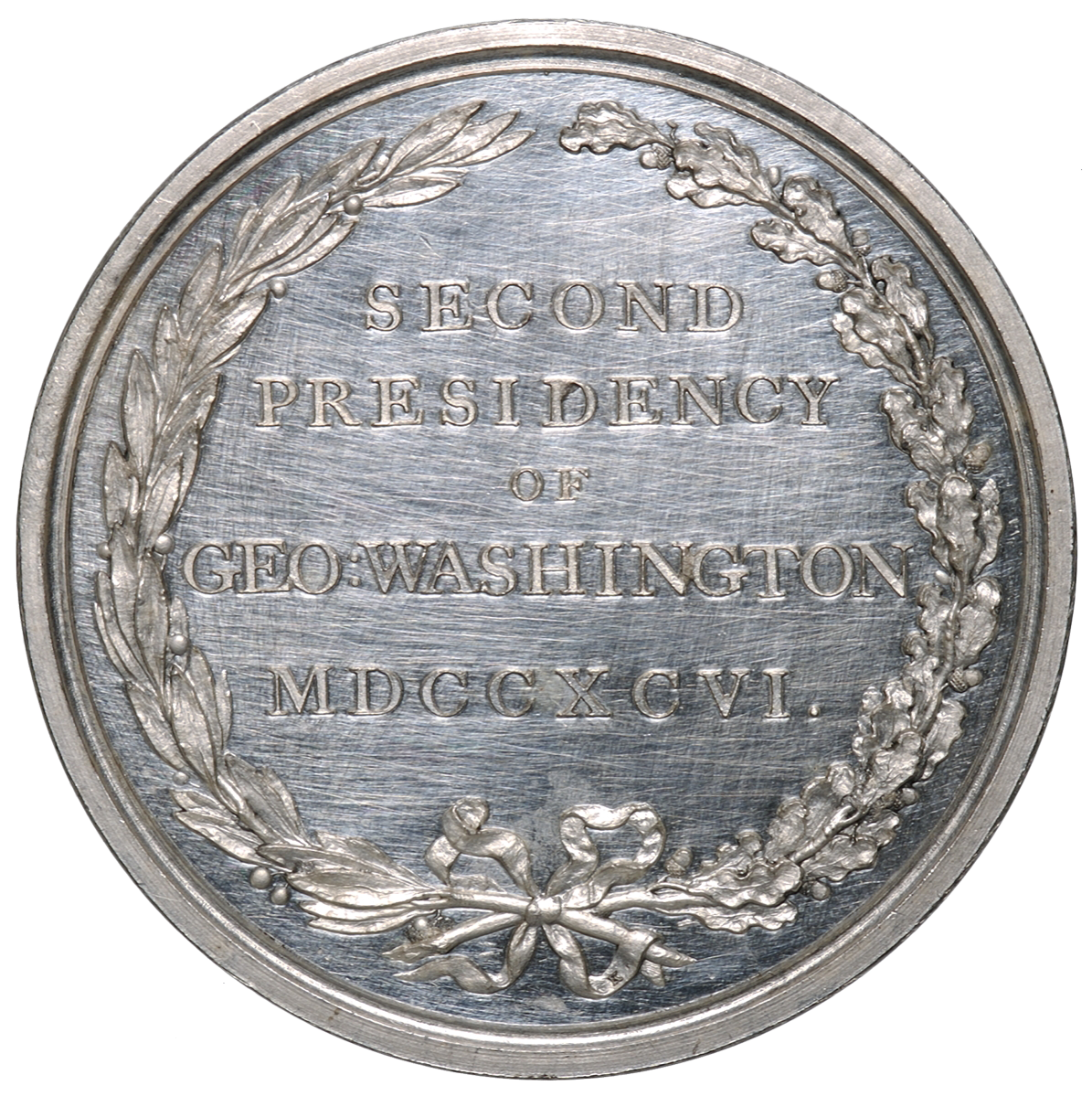
George Washington “Seasons” Peace Medals
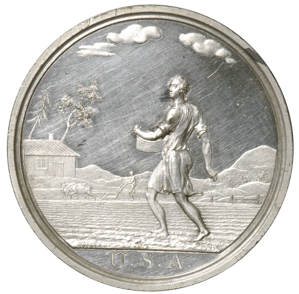
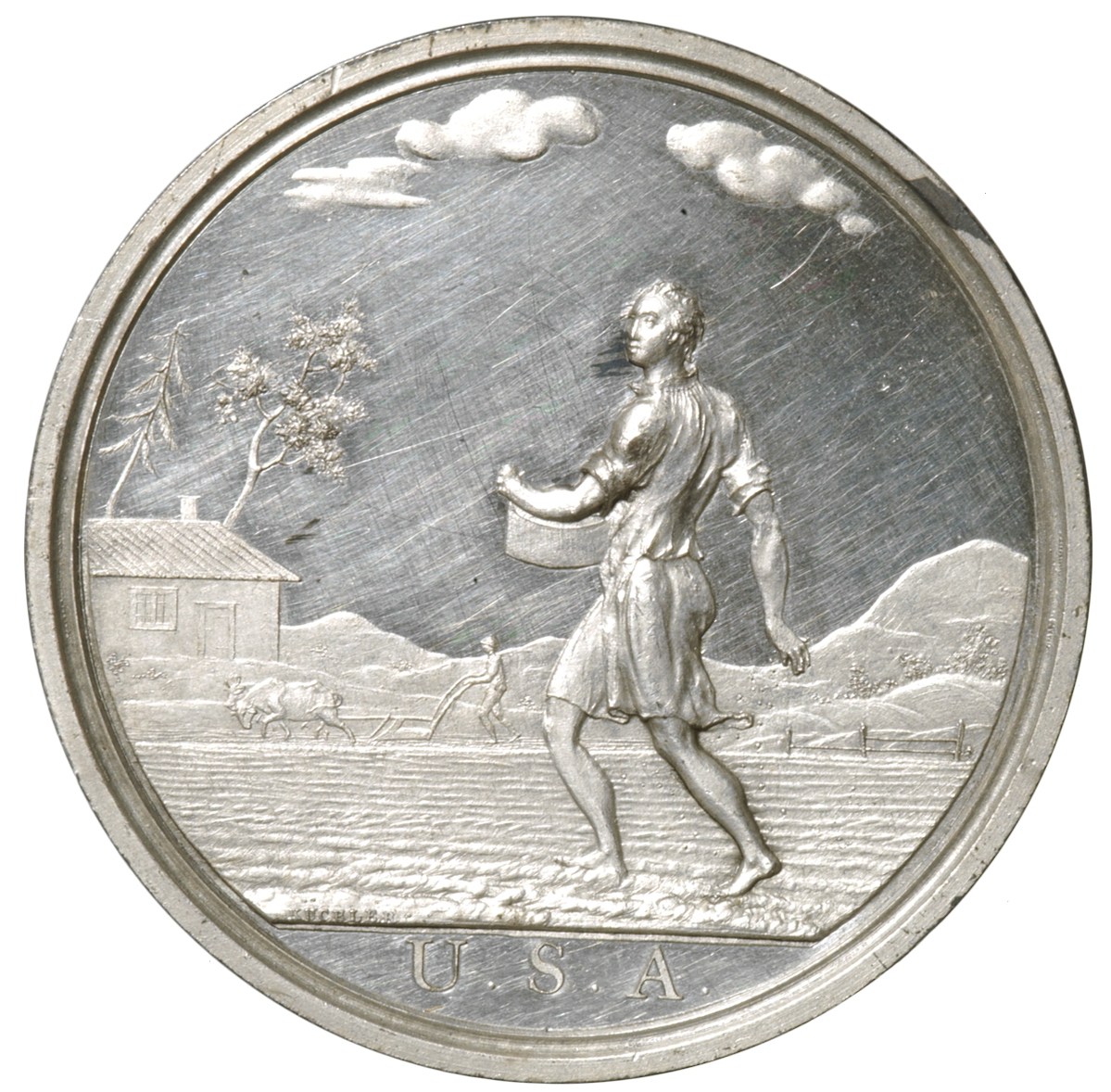
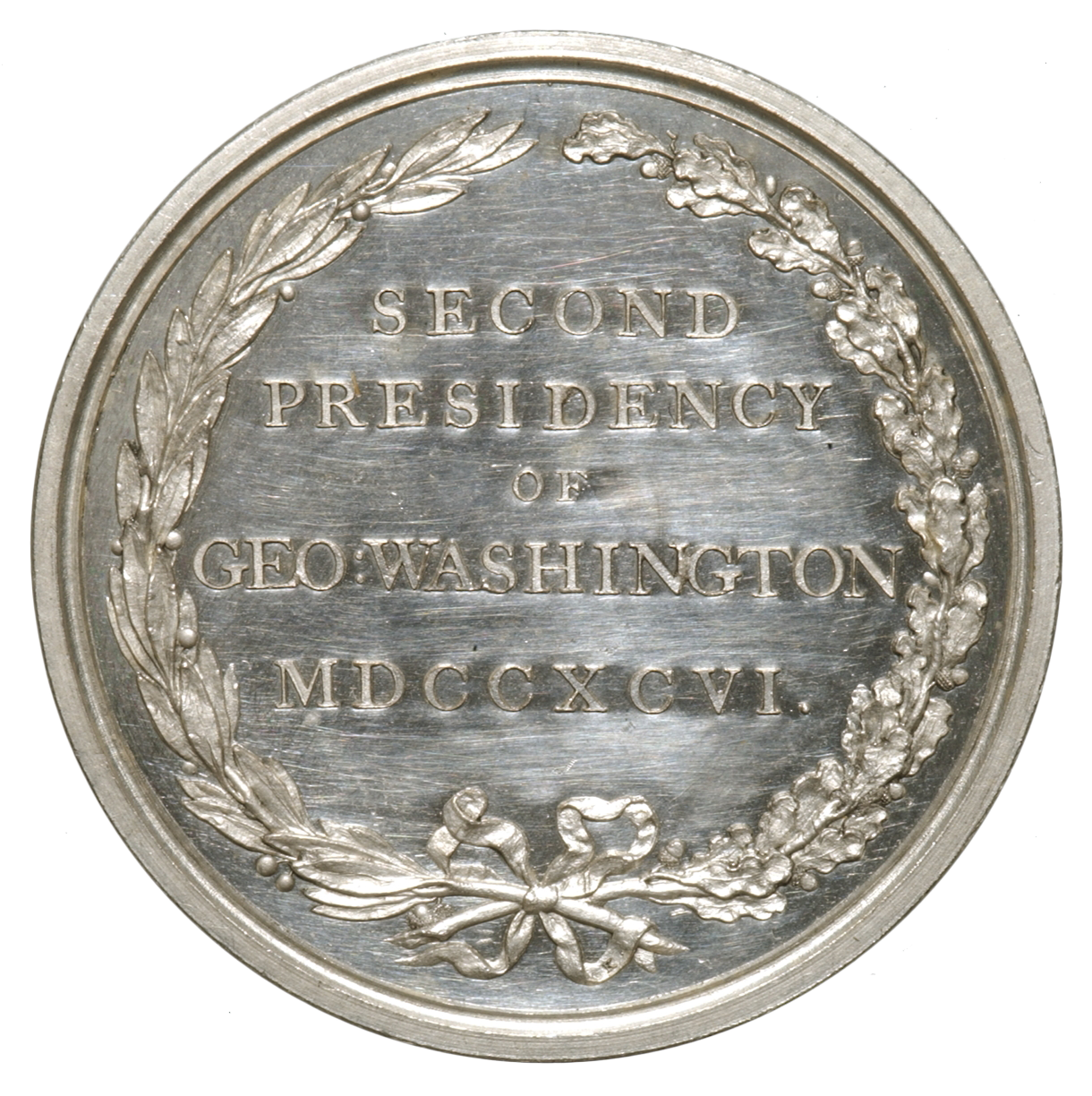
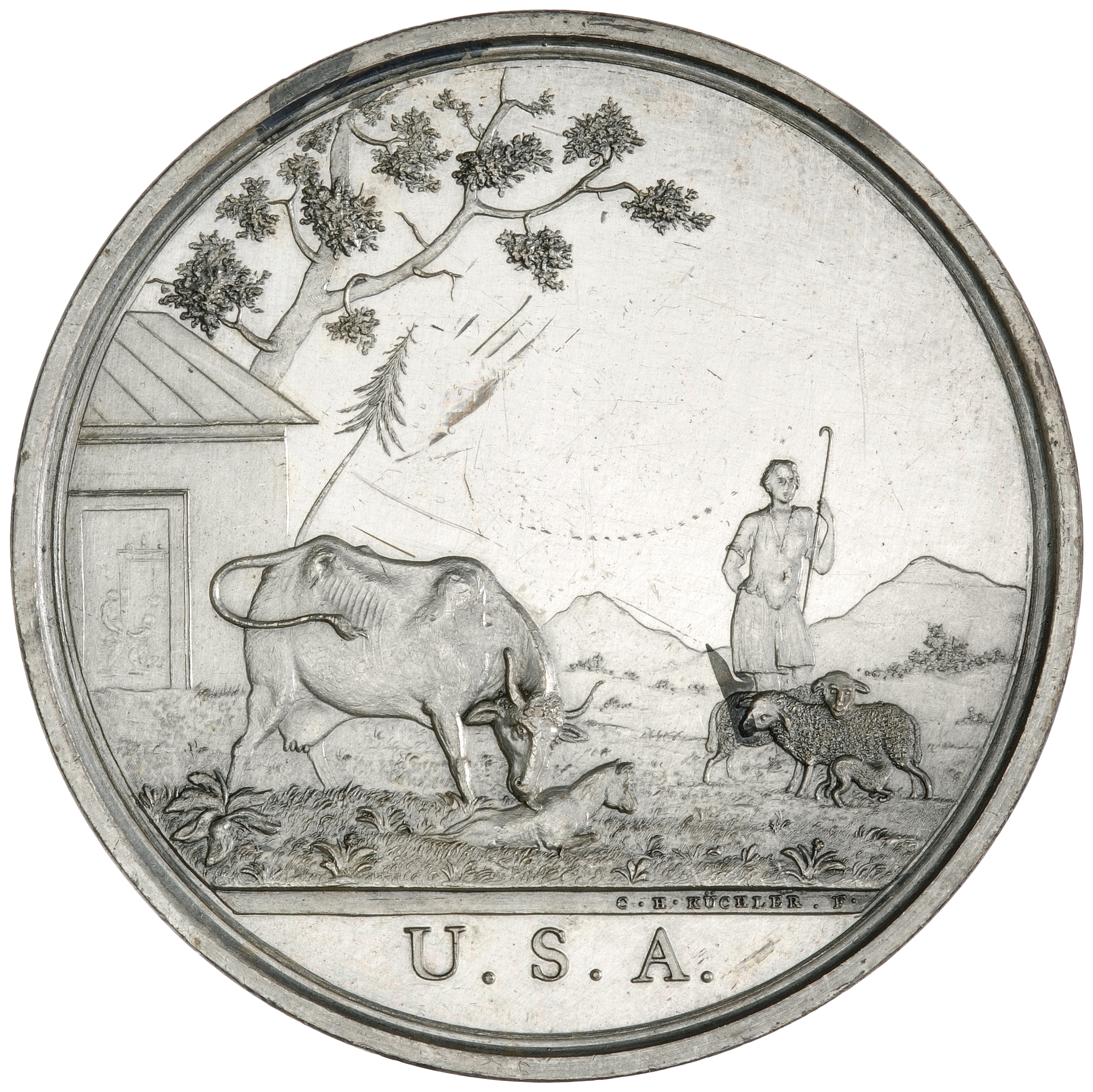
Near the end of his presidency, George Washington directed Secretary of War James McHenry to order new peace medals. Three different designs explicitly promoted the adoption of settled agriculture, depicting a man sowing wheat, another herding cattle, and two women spinning and weaving beside a hearth.
The Lewis and Clark Expedition of 1804-1805 distributed nearly five dozen of these medals to leaders of Plains and Rocky Mountain nations, whose nomadic cultures and reliance on animal hides could hardly have been more distant from the medallic scenes of farming and textile production.
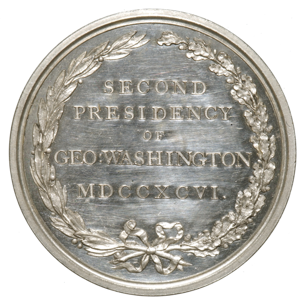
“The Farmer”
Silver
Designed by John Trumbull, 1797
Struck by Matthew Bolton and James Watt, Soho Manufactory, Birmingham, England, 1798American Numismatic Society 1915.140.1, Gift of J.P. Morgan
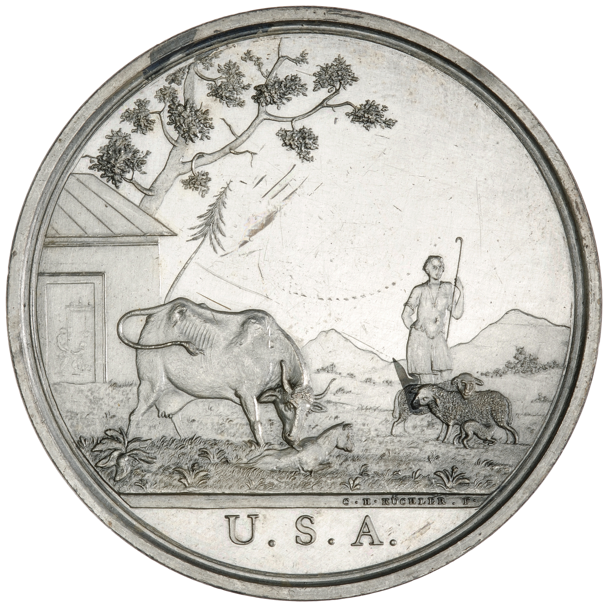
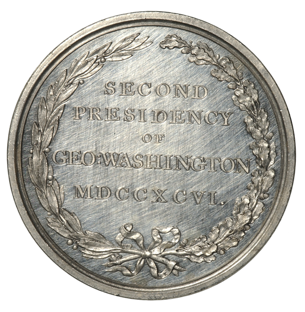
“The Shepherd”
Silver
Designed by John Trumbull, 1797
Struck by Matthew Bolton and James Watt, Soho Manufactory, Birmingham, England, 1798American Numismatic Society 1915.141.1, Gift of J.P. Morgan
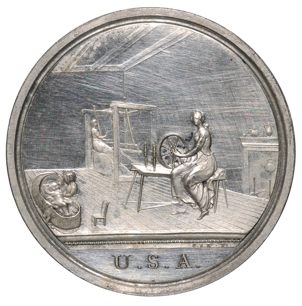
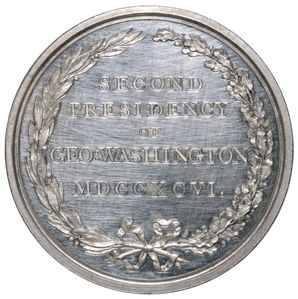
“The Family”
Silver
Designed by John Trumbull, 1797
Struck by Matthew Bolton and James Watt, Soho Manufactory, Birmingham, England, 1798American Numismatic Society 1915.139.1, Gift of J.P. Morgan
-
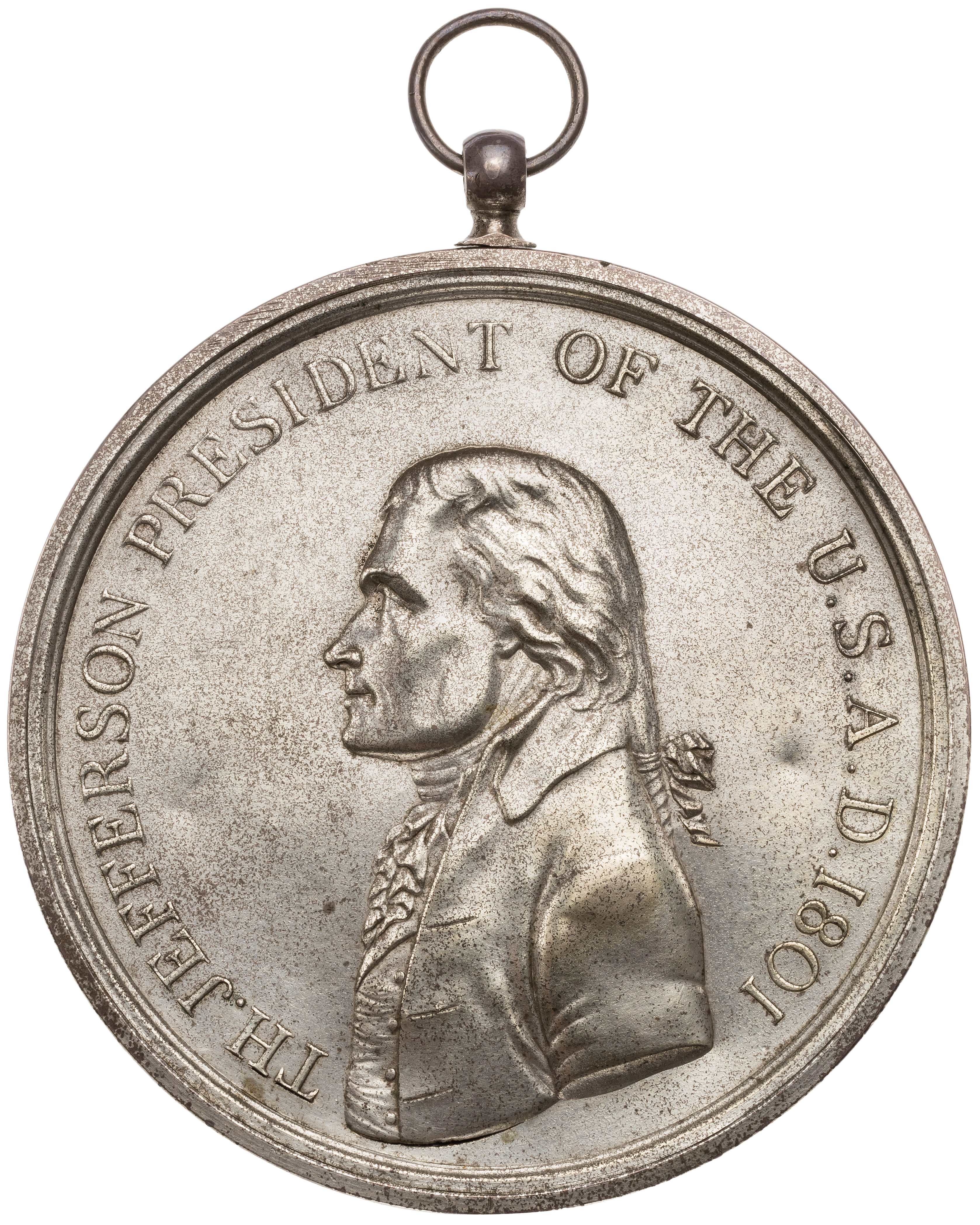
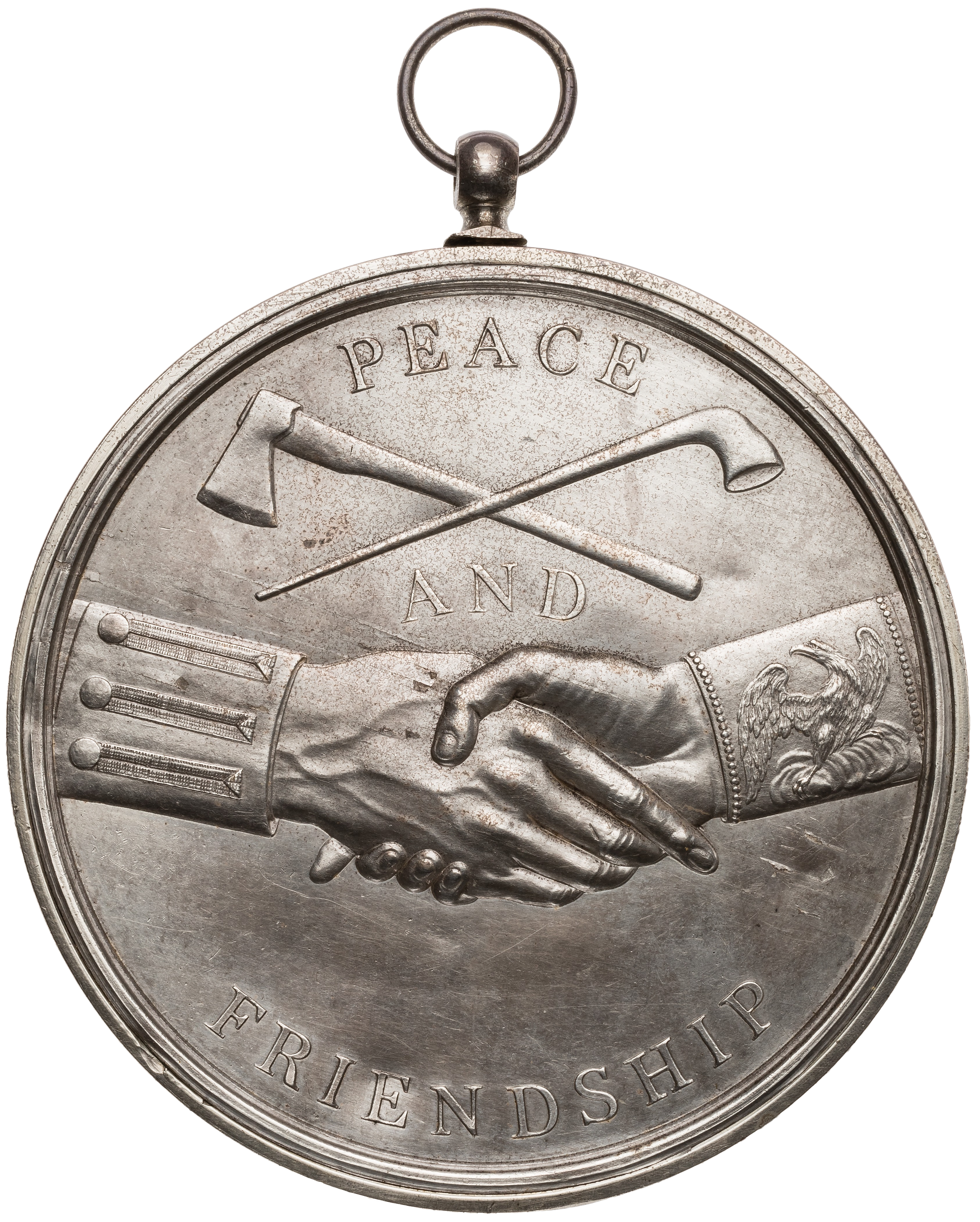
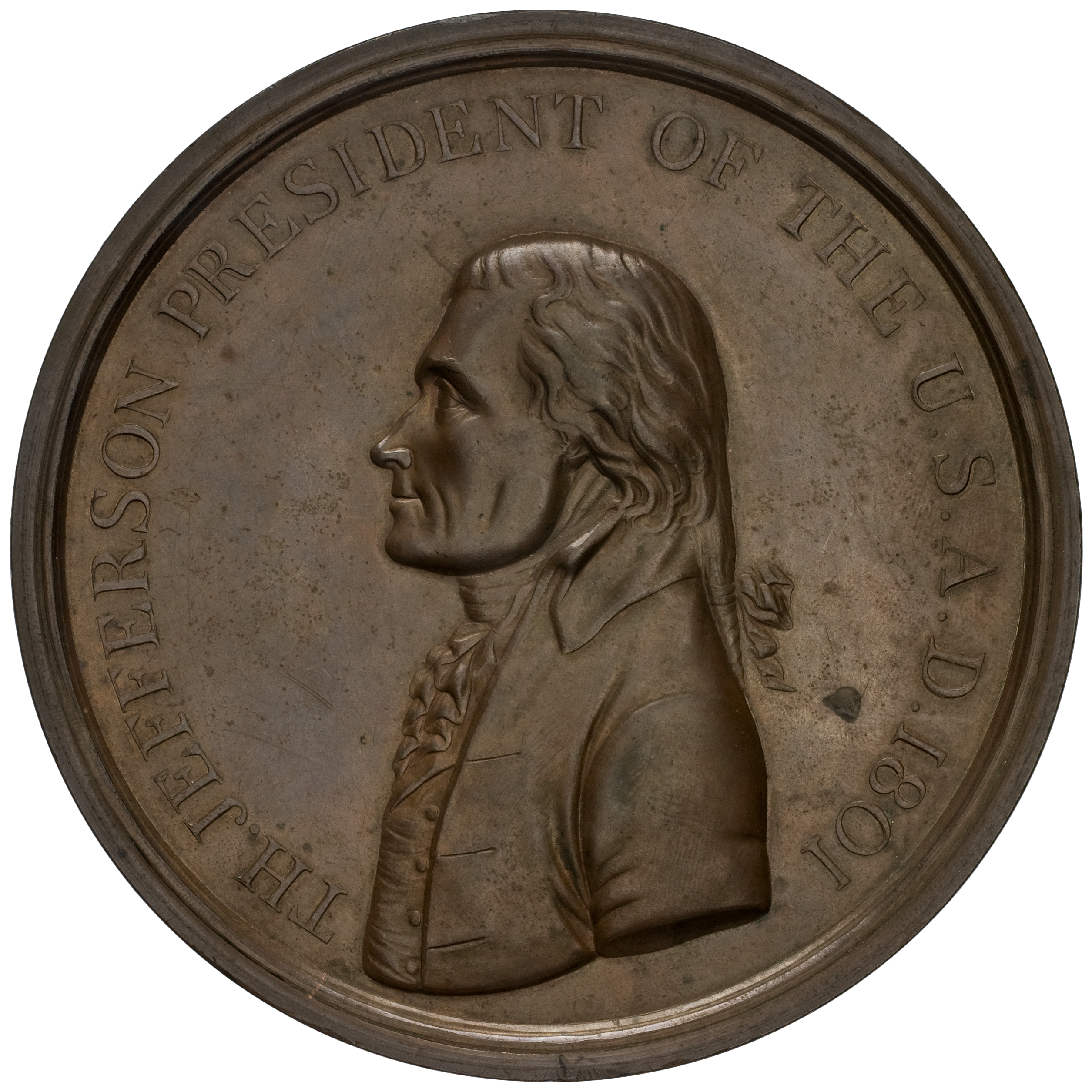
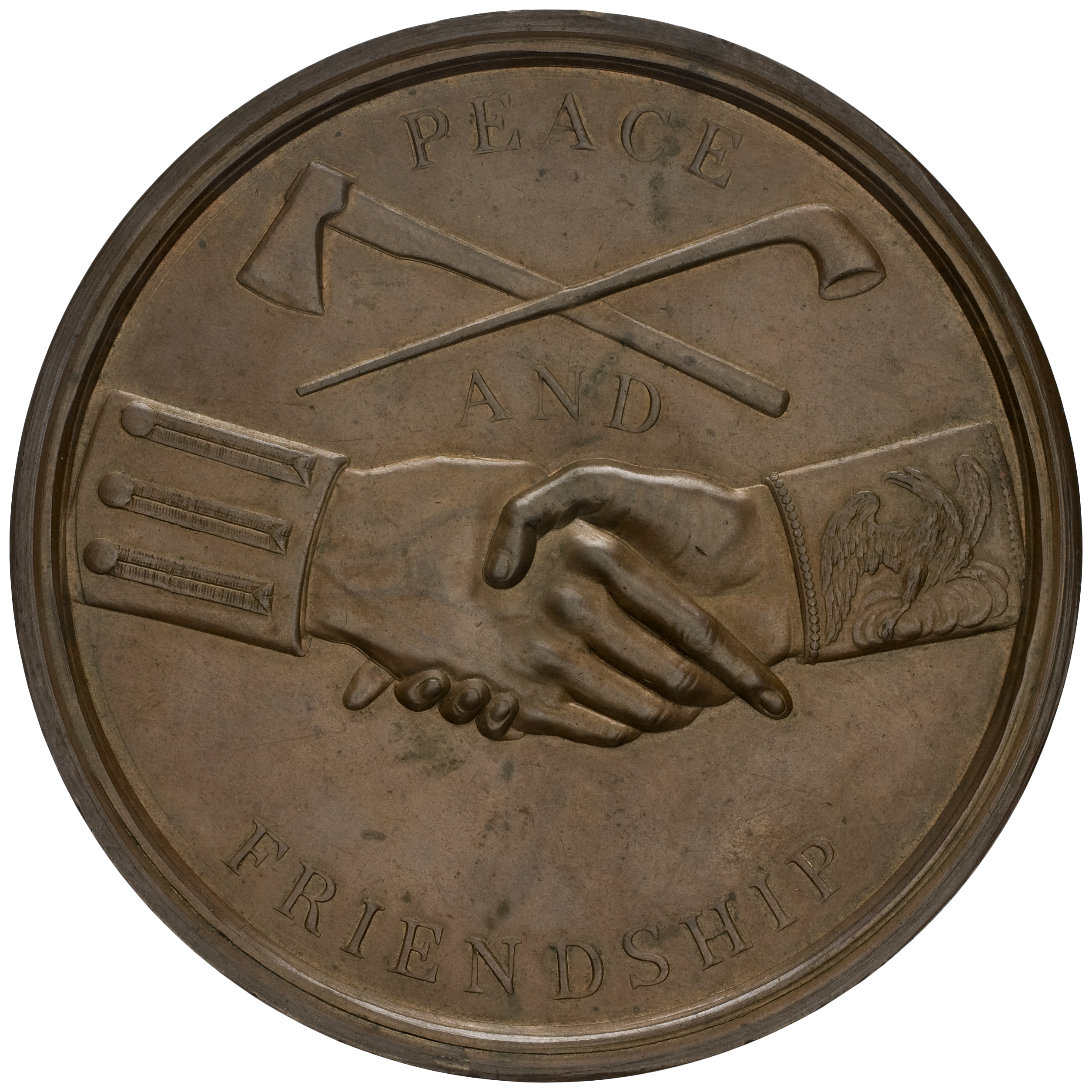
Thomas Jefferson Peace Medals
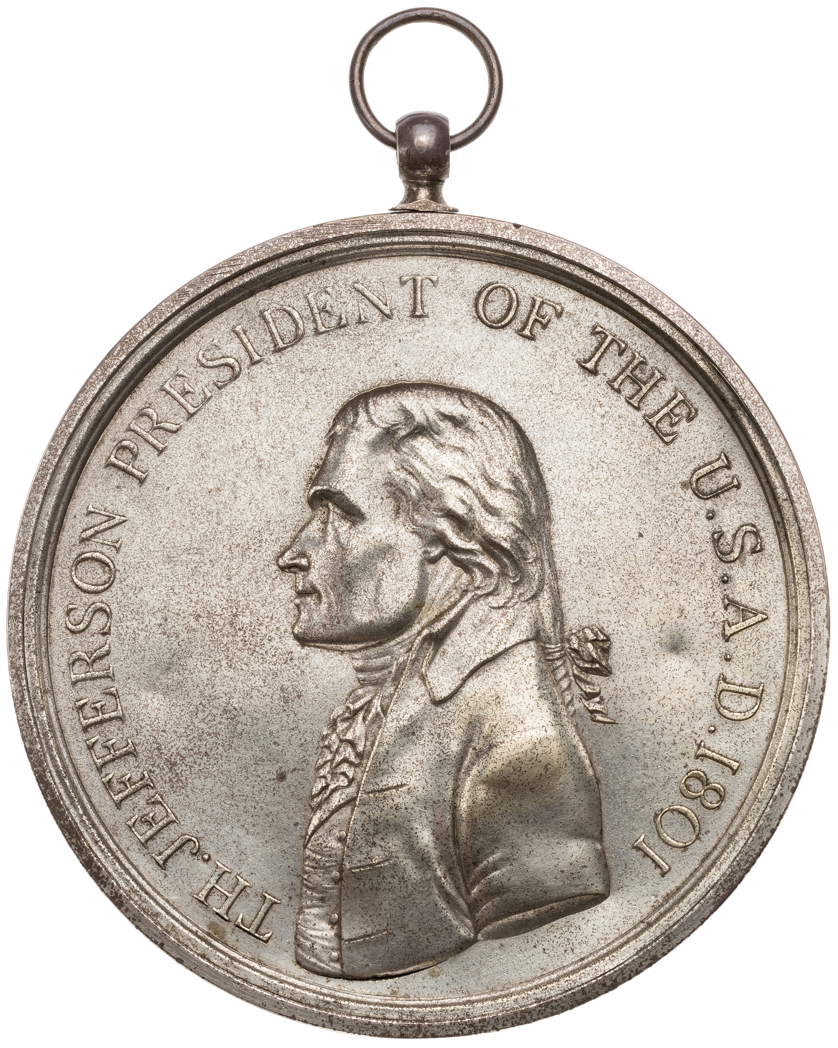
During Thomas Jefferson’s presidency, American peace medals returned to the traditional model: a profile portrait of the head of state, symbolically affirming a personal connection of the Native American leader to the president.
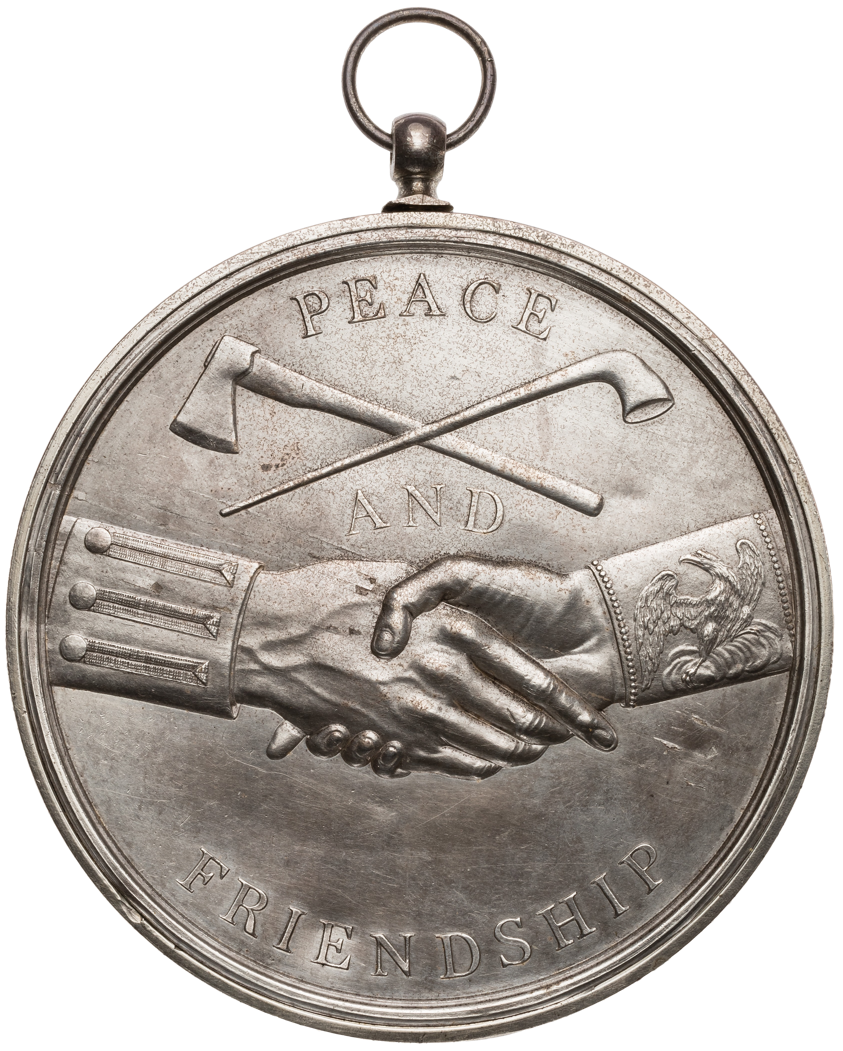
Large size Jefferson Peace Medal
Silver
1801American Numismatic Society 1923.52.11, Acquired from Walter C. Wyman Collection
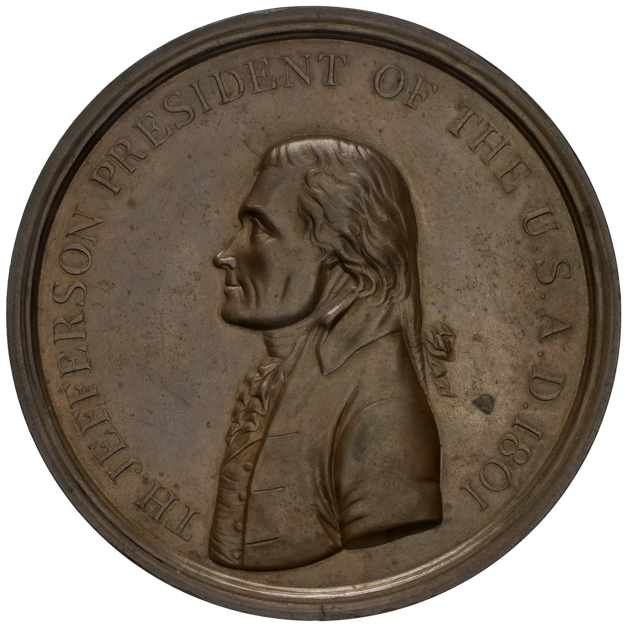
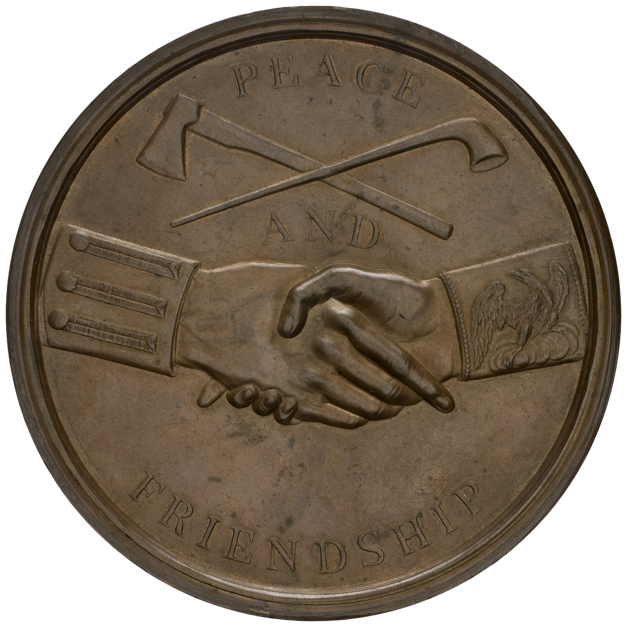
Large size Jefferson Peace Medal
Bronze
Attributed to John Reich and Robert Scott, Philadelphia
1801American Numismatic Society 1923.52.12, Acquired from Walter C. Wyman Collection
-
Comitia Americana (American Congress) Medals
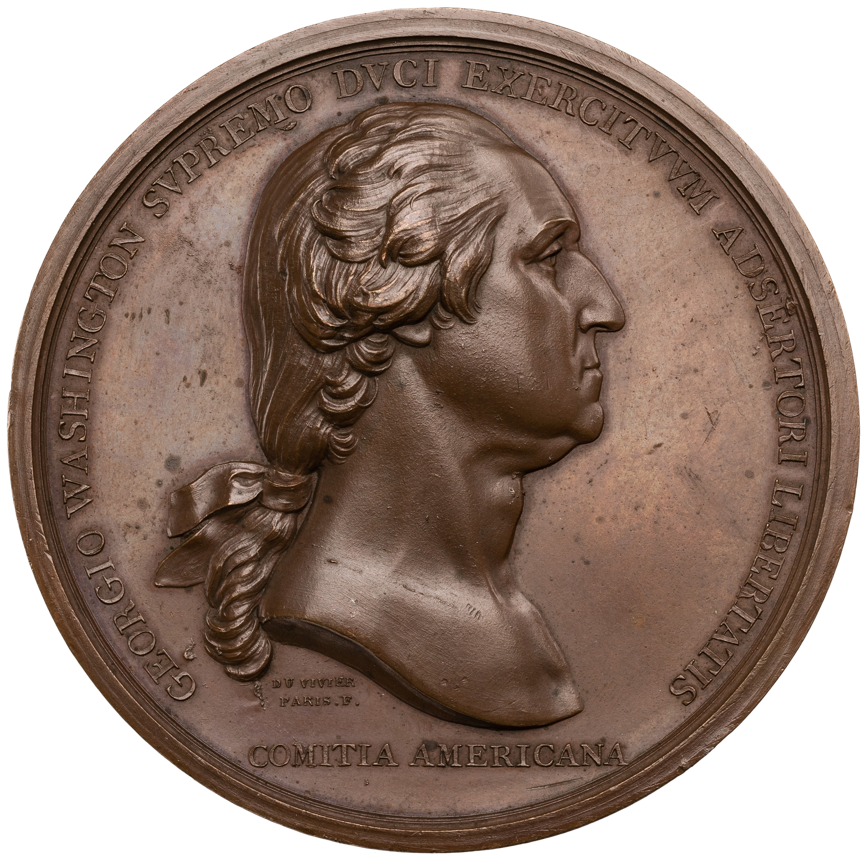
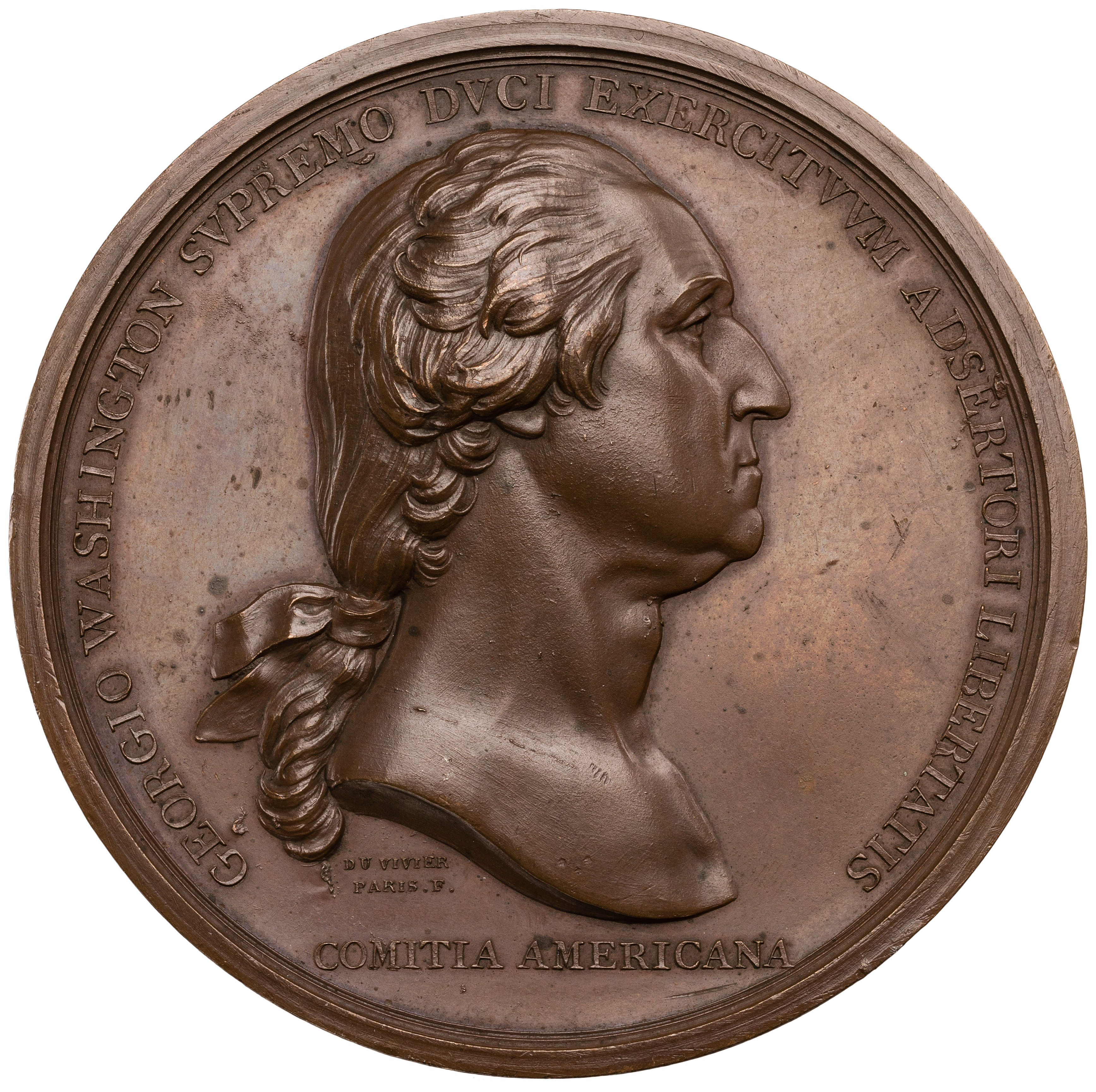
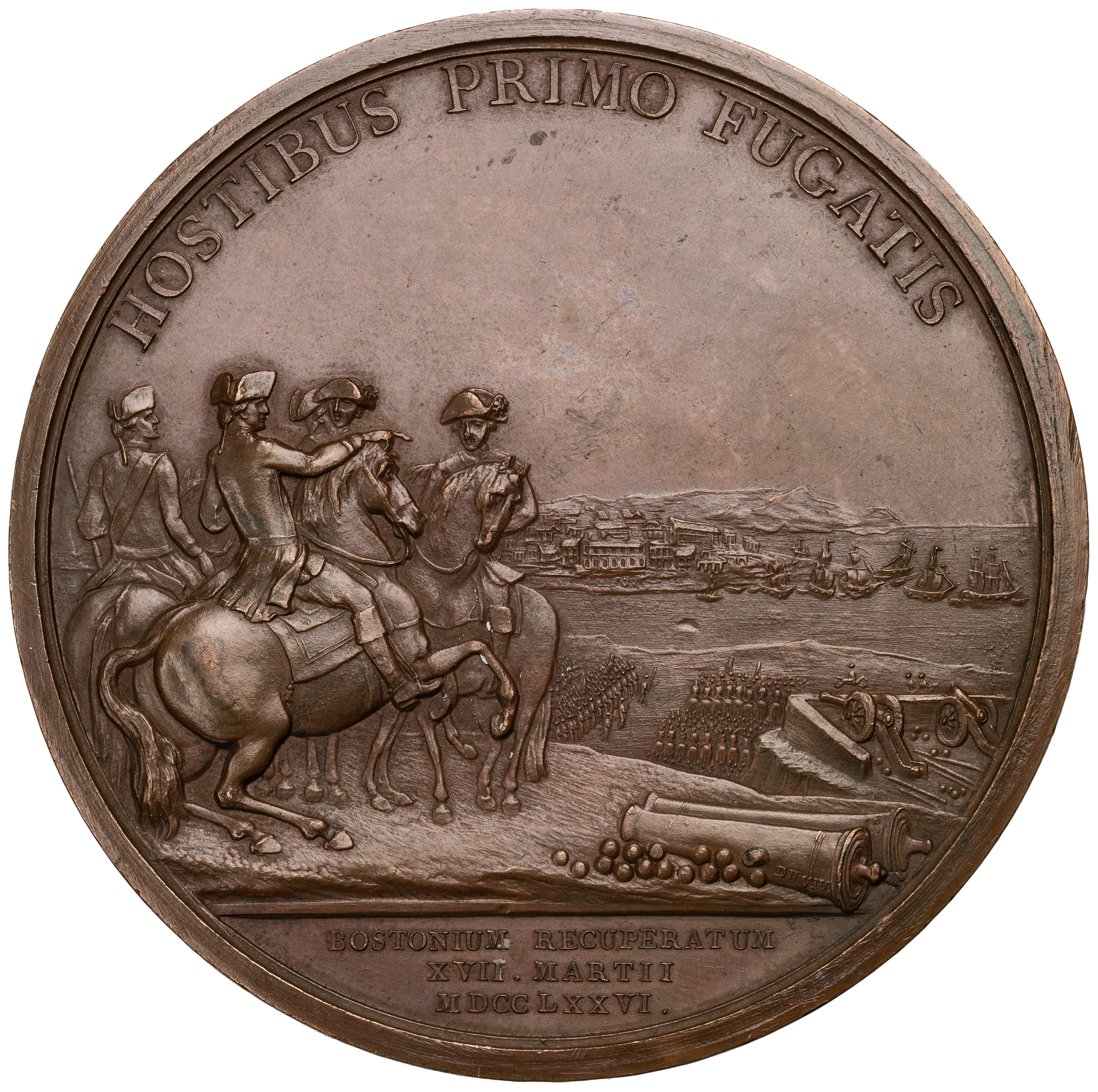
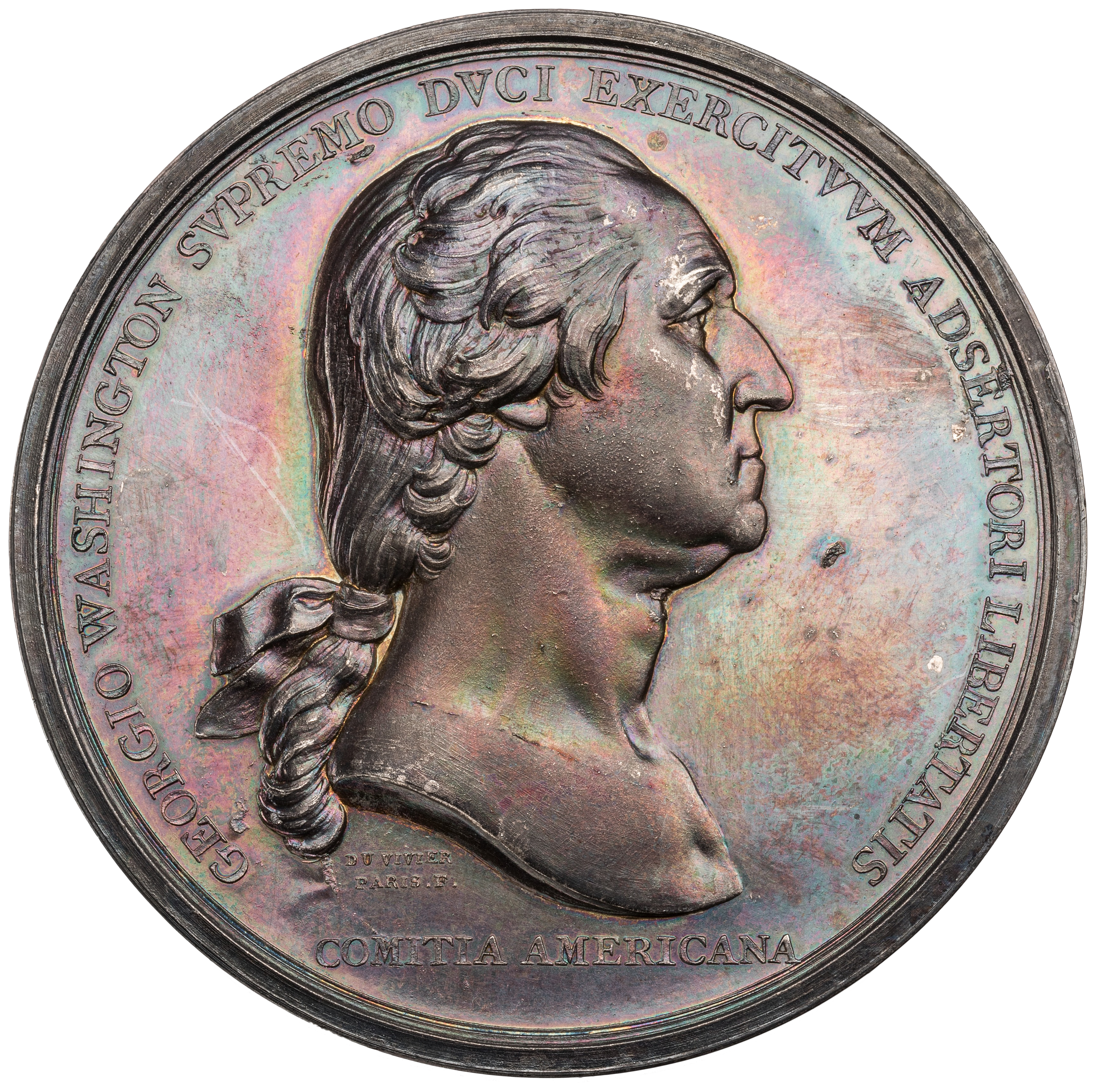
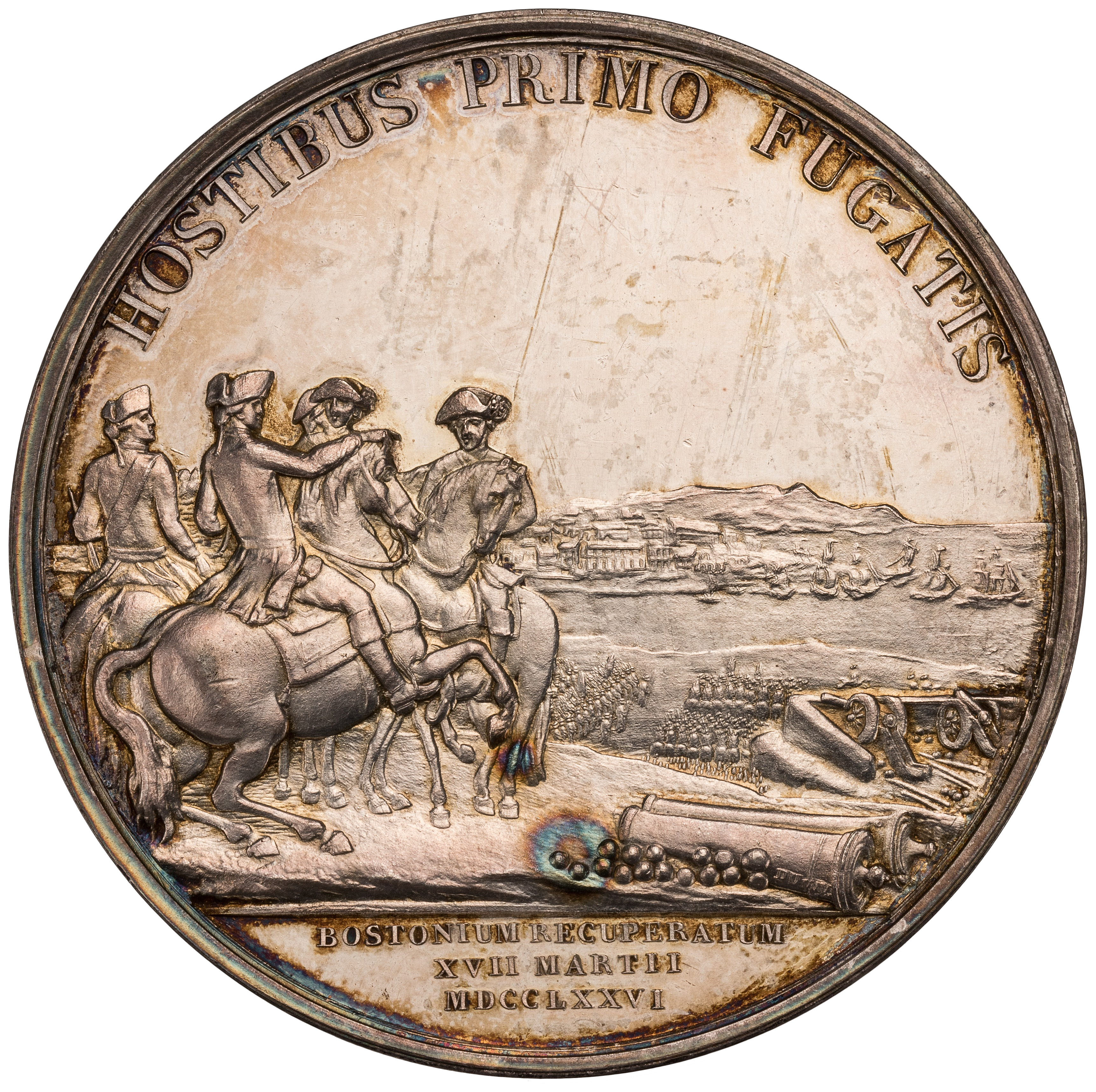
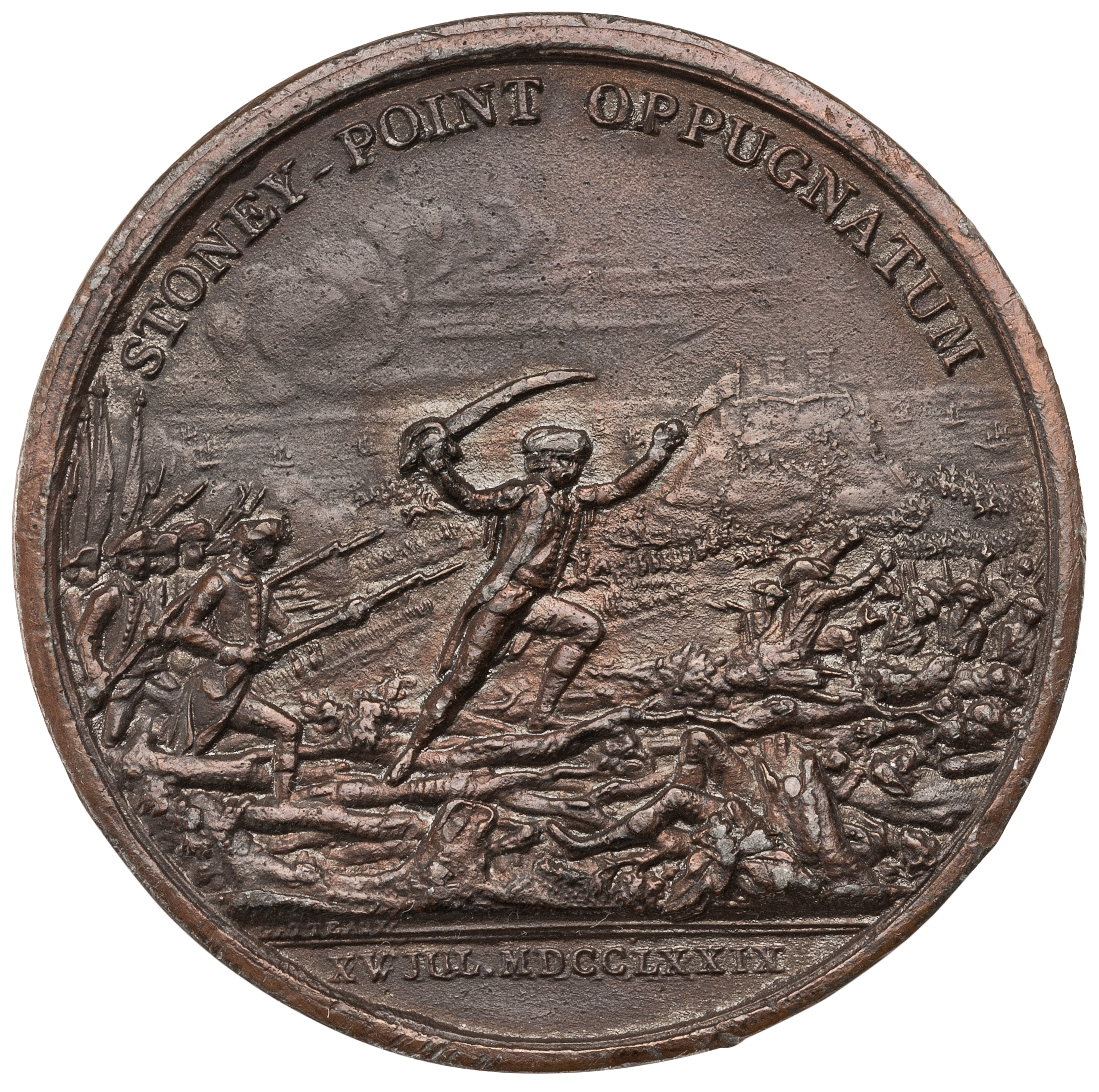
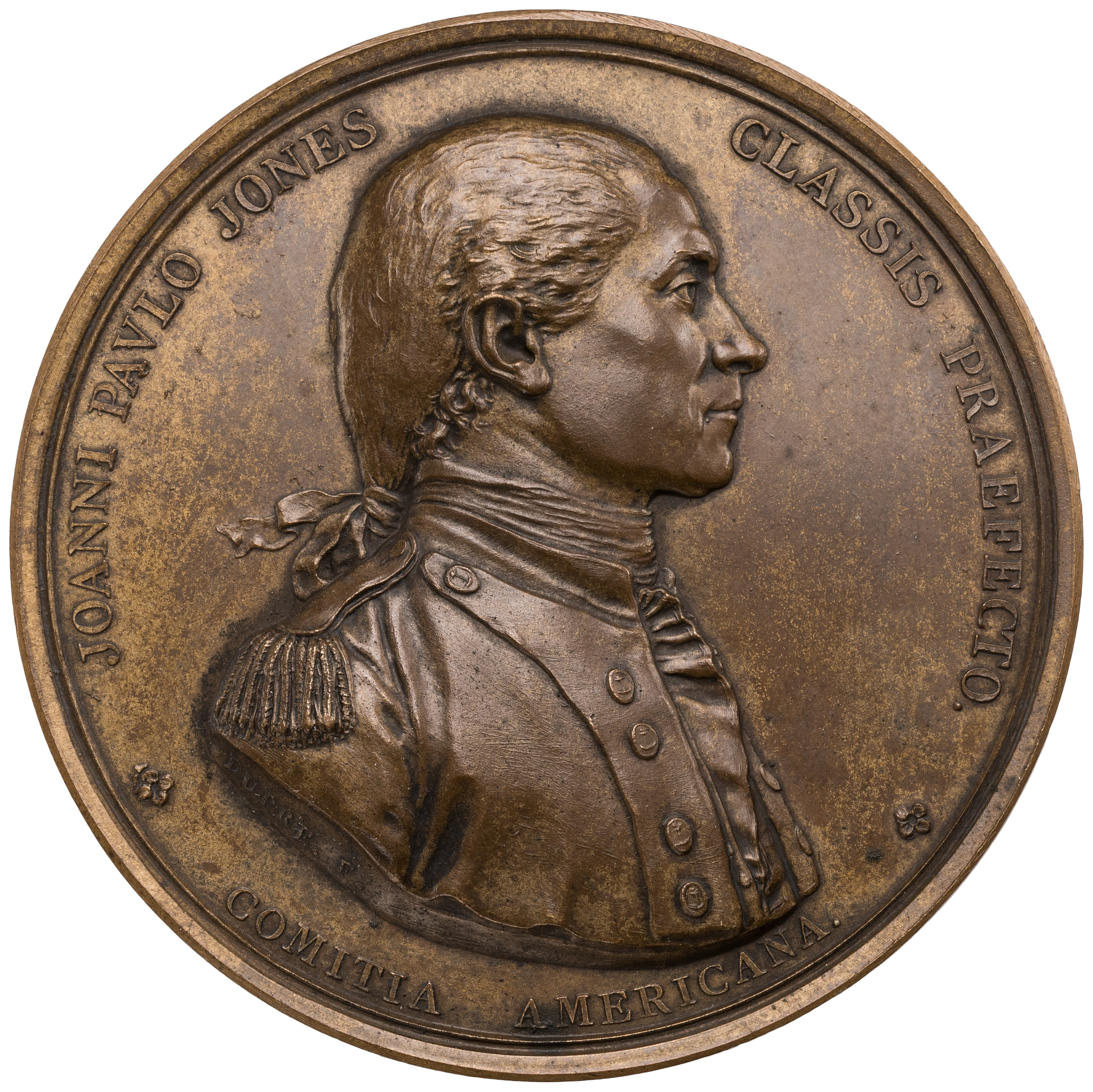
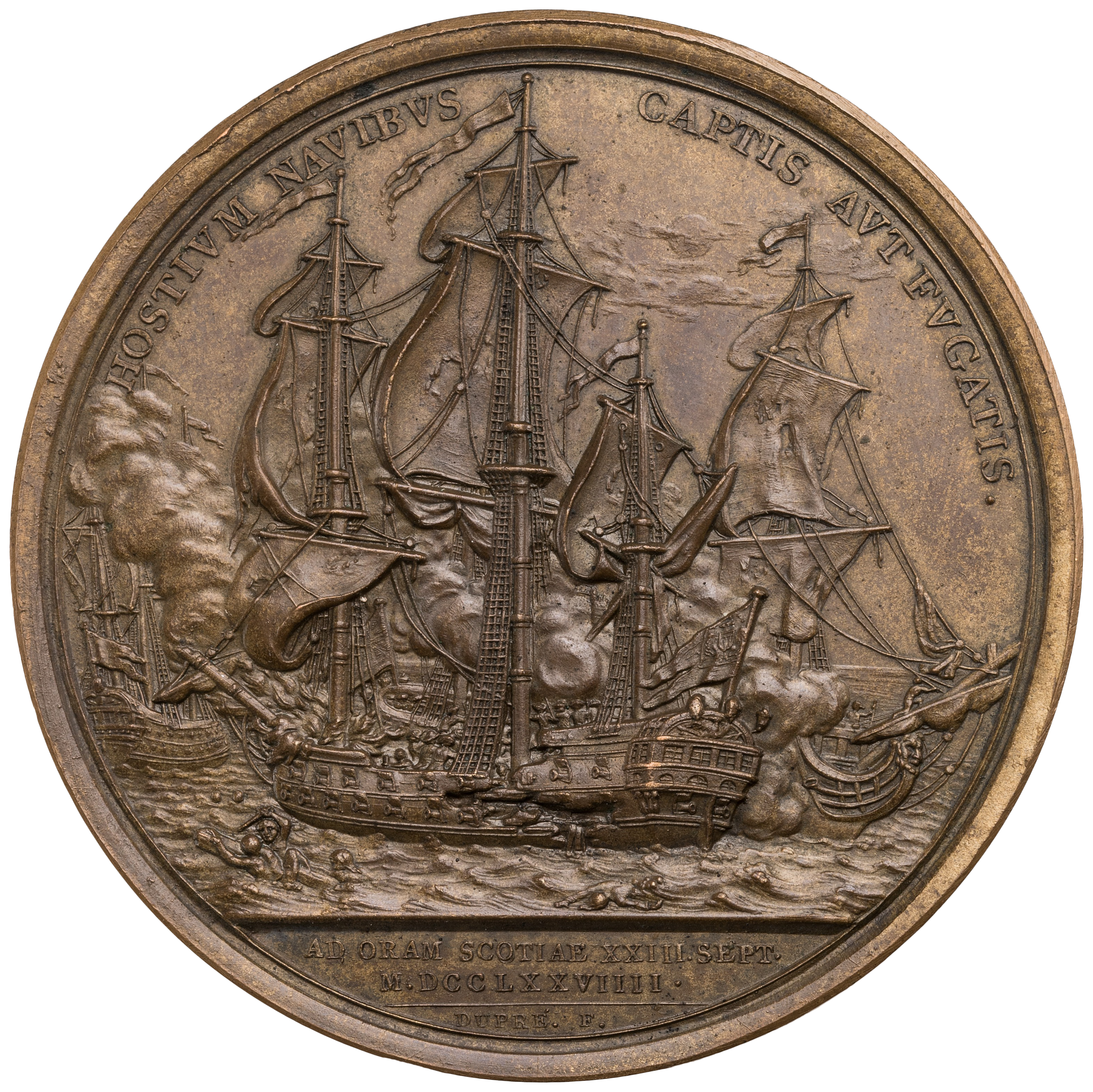
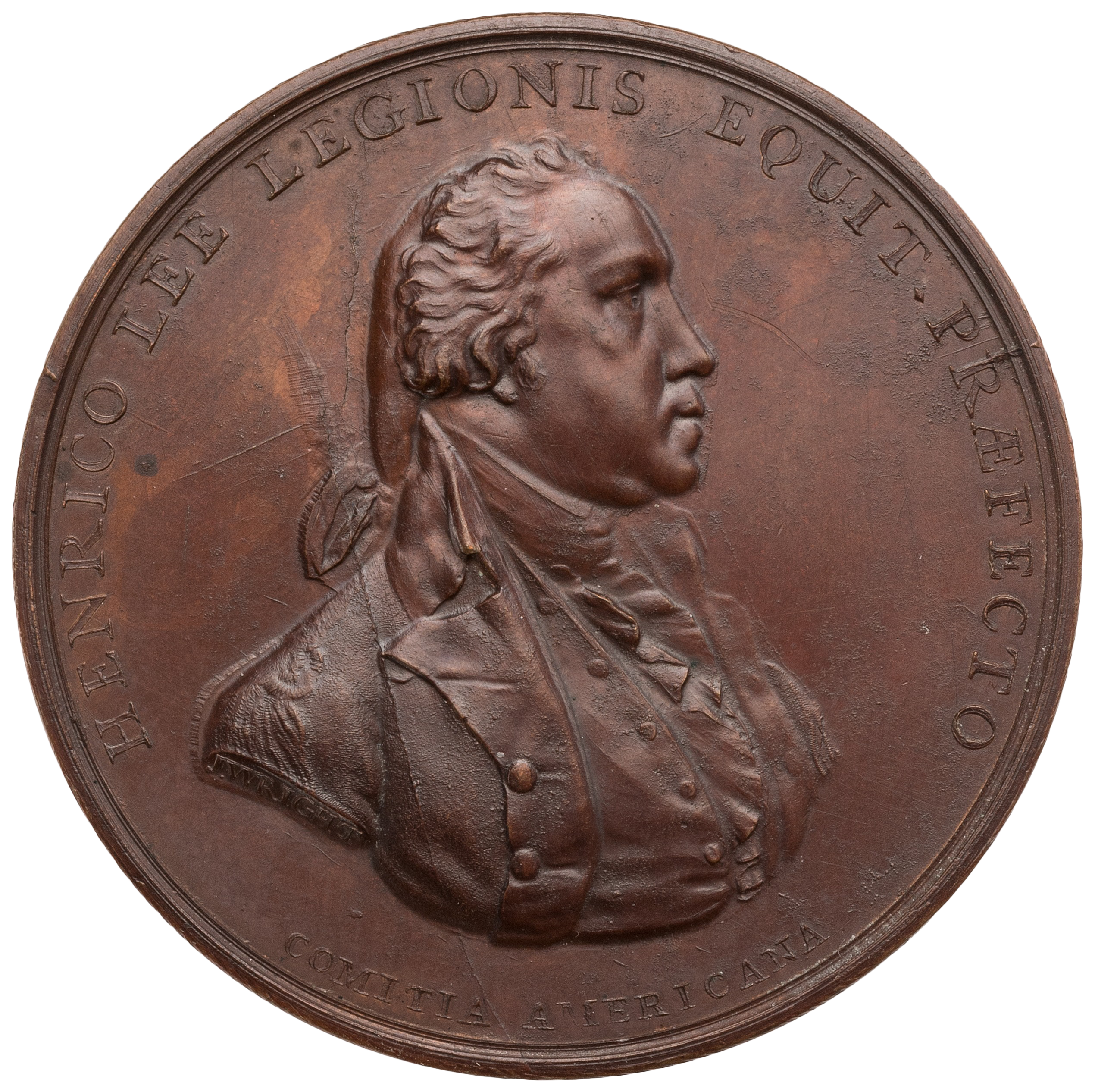
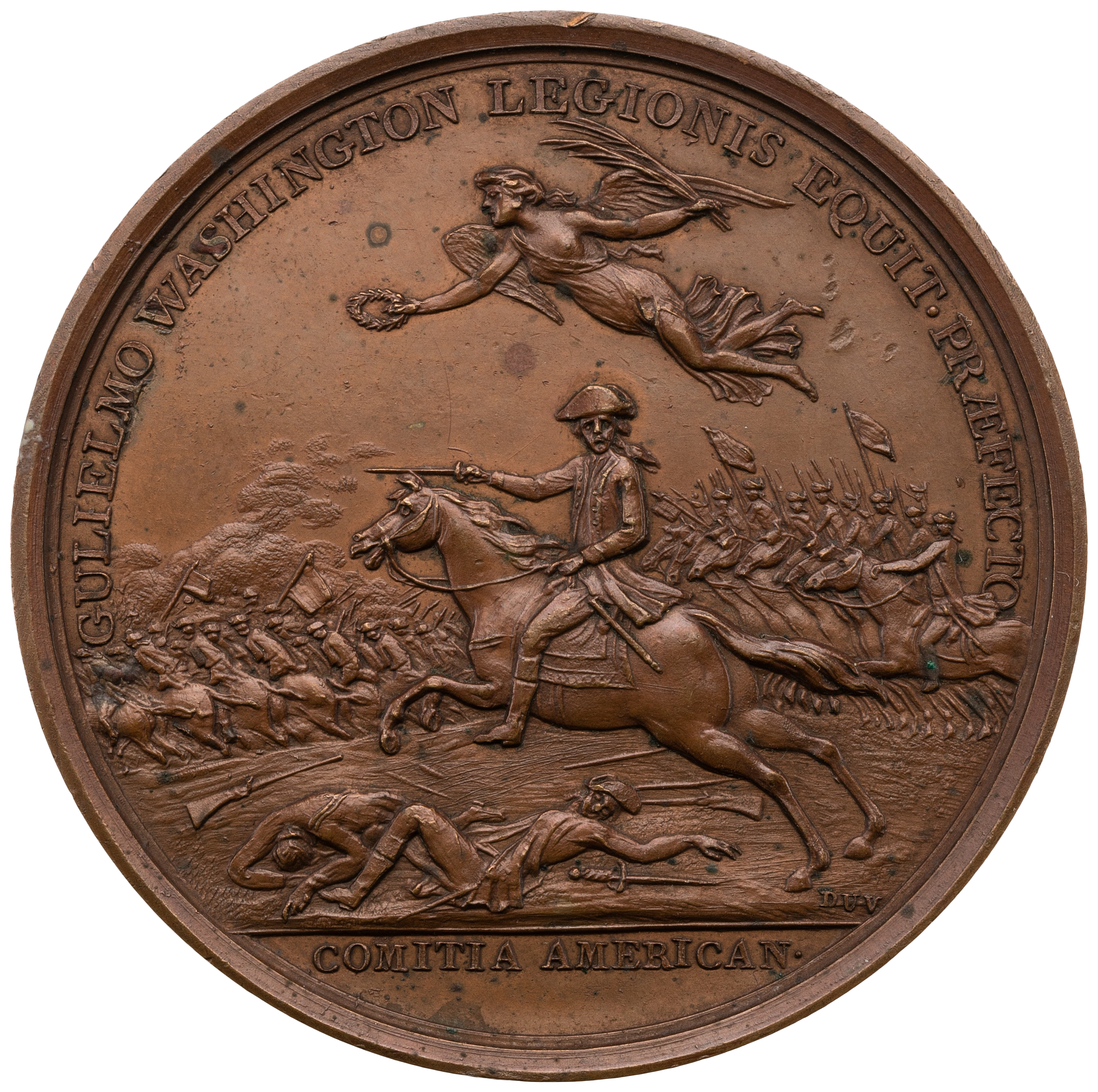
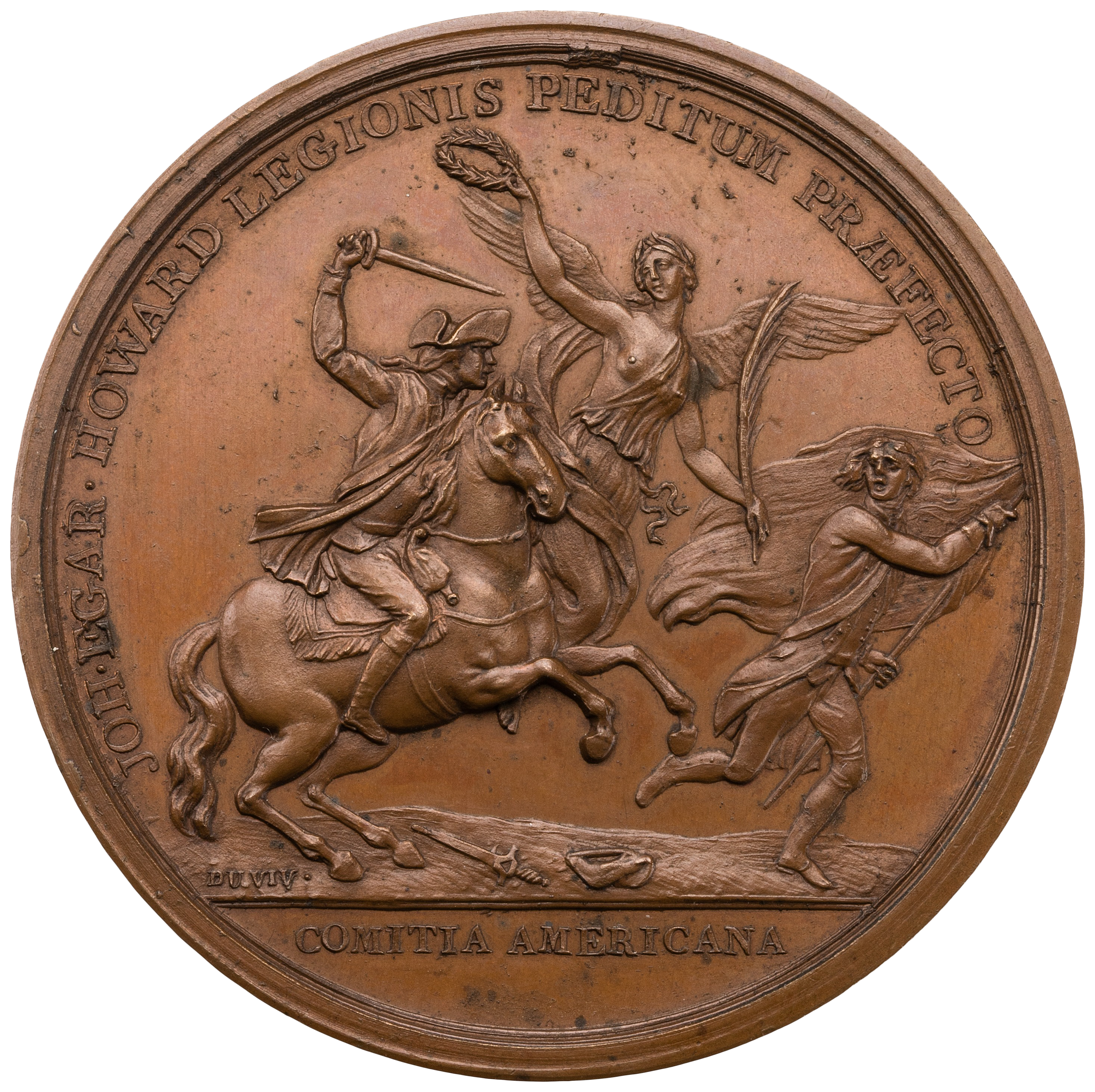
In March 1776, Congress marked the British retreat from Boston by commissioning a gold medal honoring the victorious commander in chief, George Washington. Later, as the Revolution raged on, Congress ordered additional gold and silver medals to honor ten commanders of six notable victories. The designs included portrait busts, allegorical figures, and battle scenes.
Secretary of State Thomas Jefferson hoped to distribute sets of the medals as diplomatic gifts to “each of the Crowned heads in Europe” (excepting the British king!). This grand plan was never achieved, likely due to its high cost and the political turmoil of the French Revolution. President Washington received the only known original set of silver Comitia Americana medals.
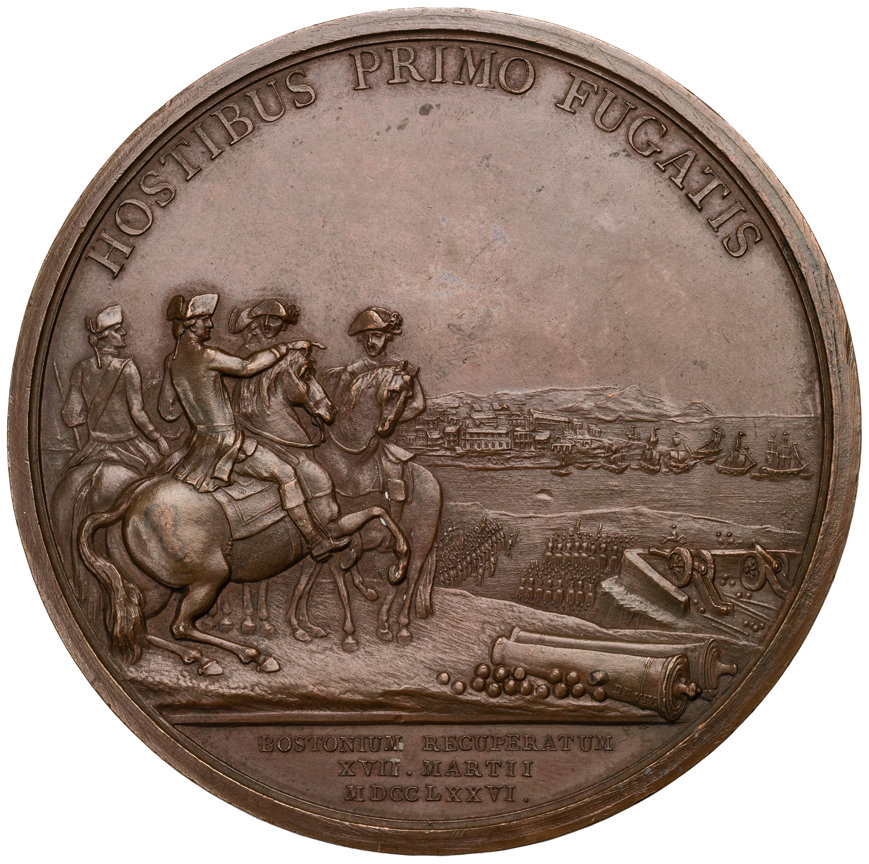
George Washington Before Boston, 1776
Bronze
Die engraved by Pierre-Simon-Benjamin Duvivier, Paris
1789American Numismatic Society 1940.100.366, Acquired from Mr. R.J. Eidlitz
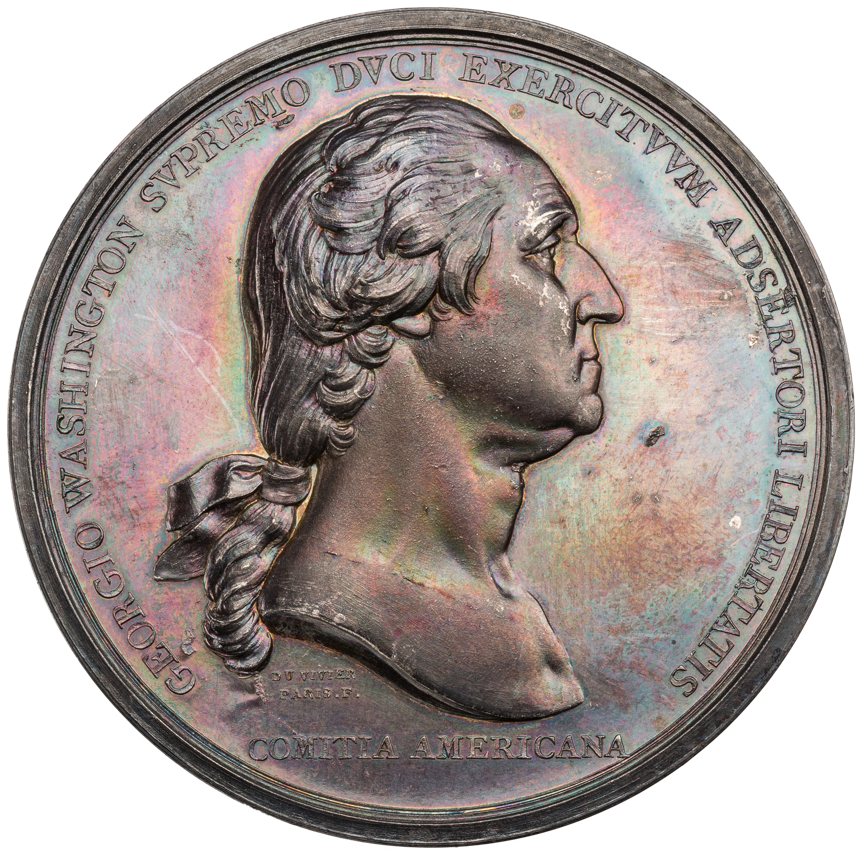
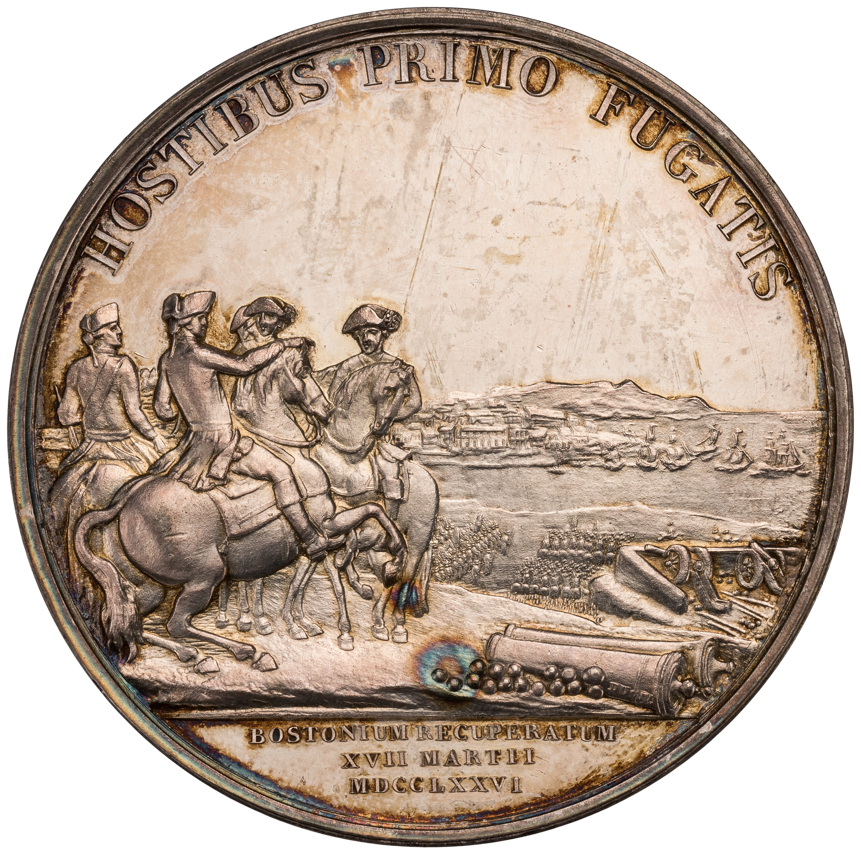
George Washington Before Boston, 1776
Silver
Die engraved by Pierre-Simon-Benjamin Duvivier, Paris
1789American Numismatic Society 0000.999.38279
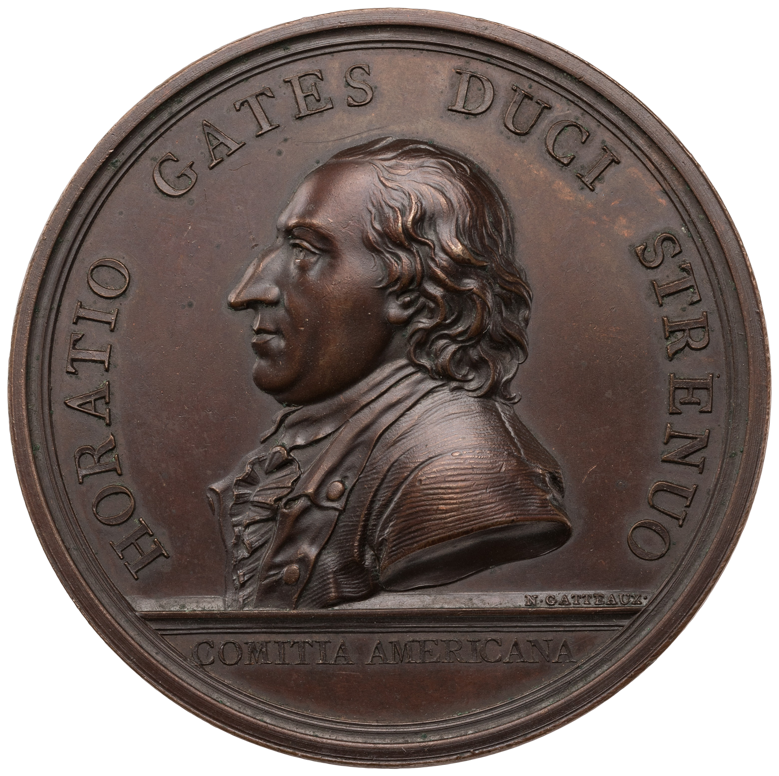
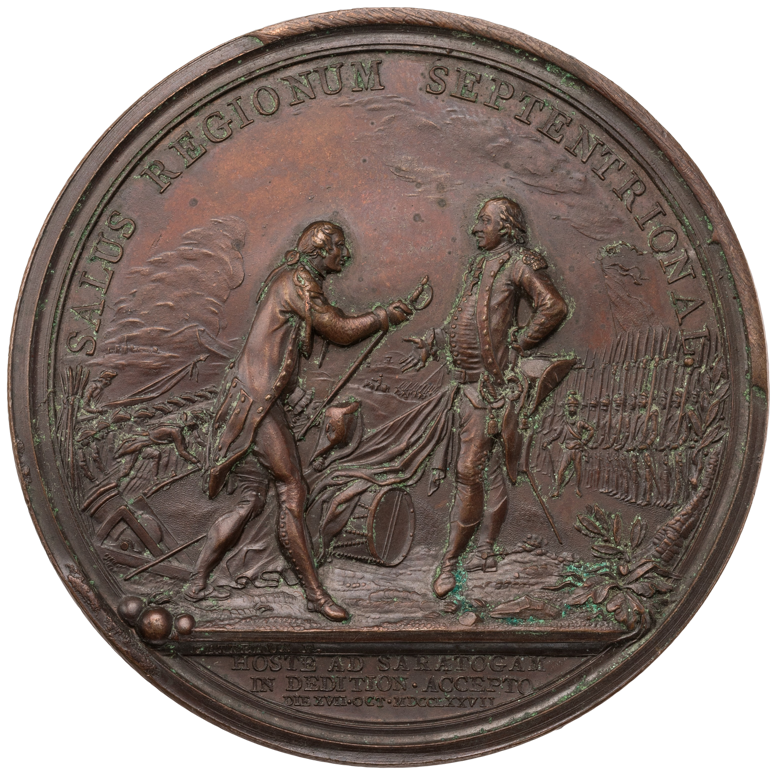
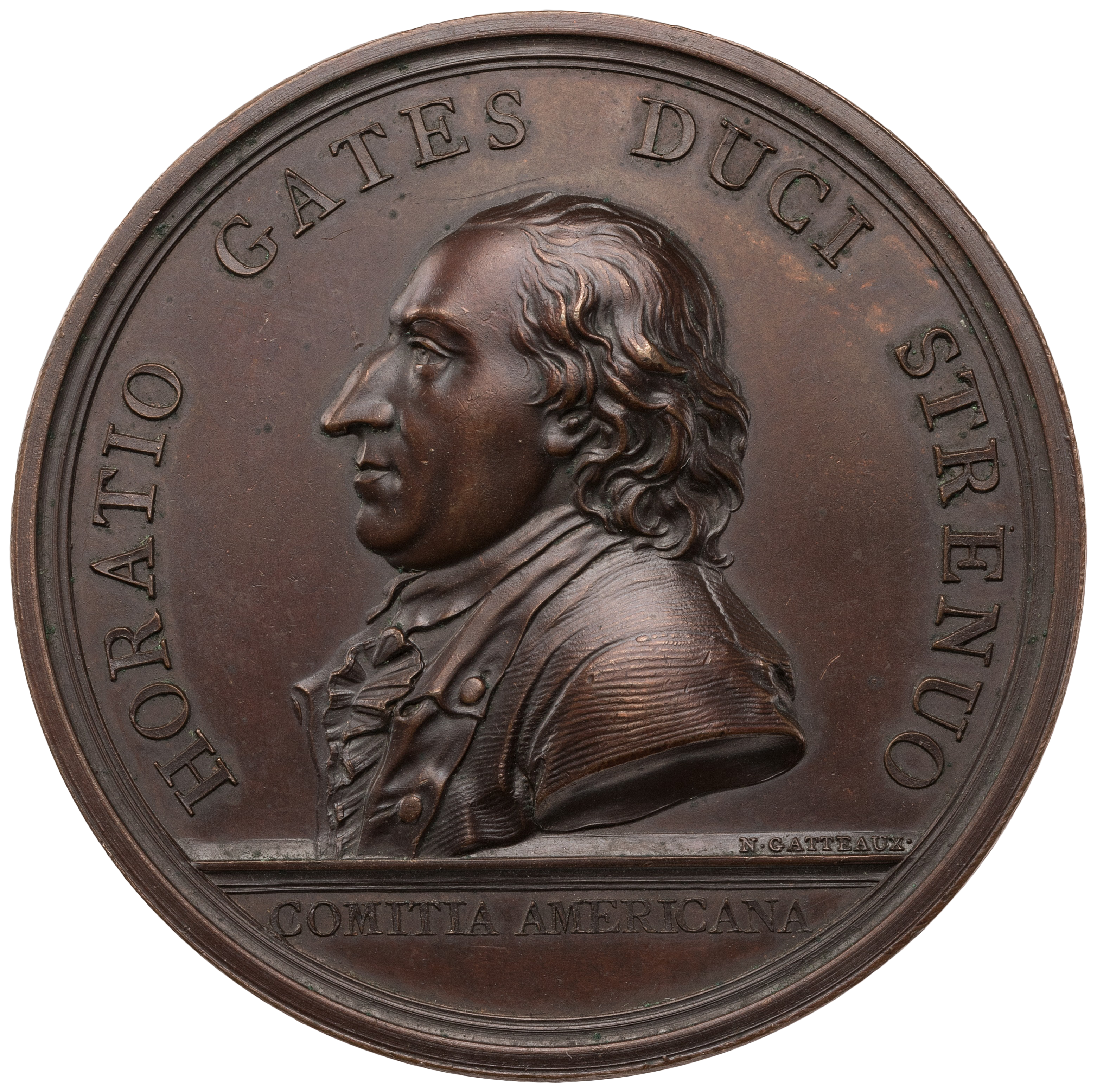
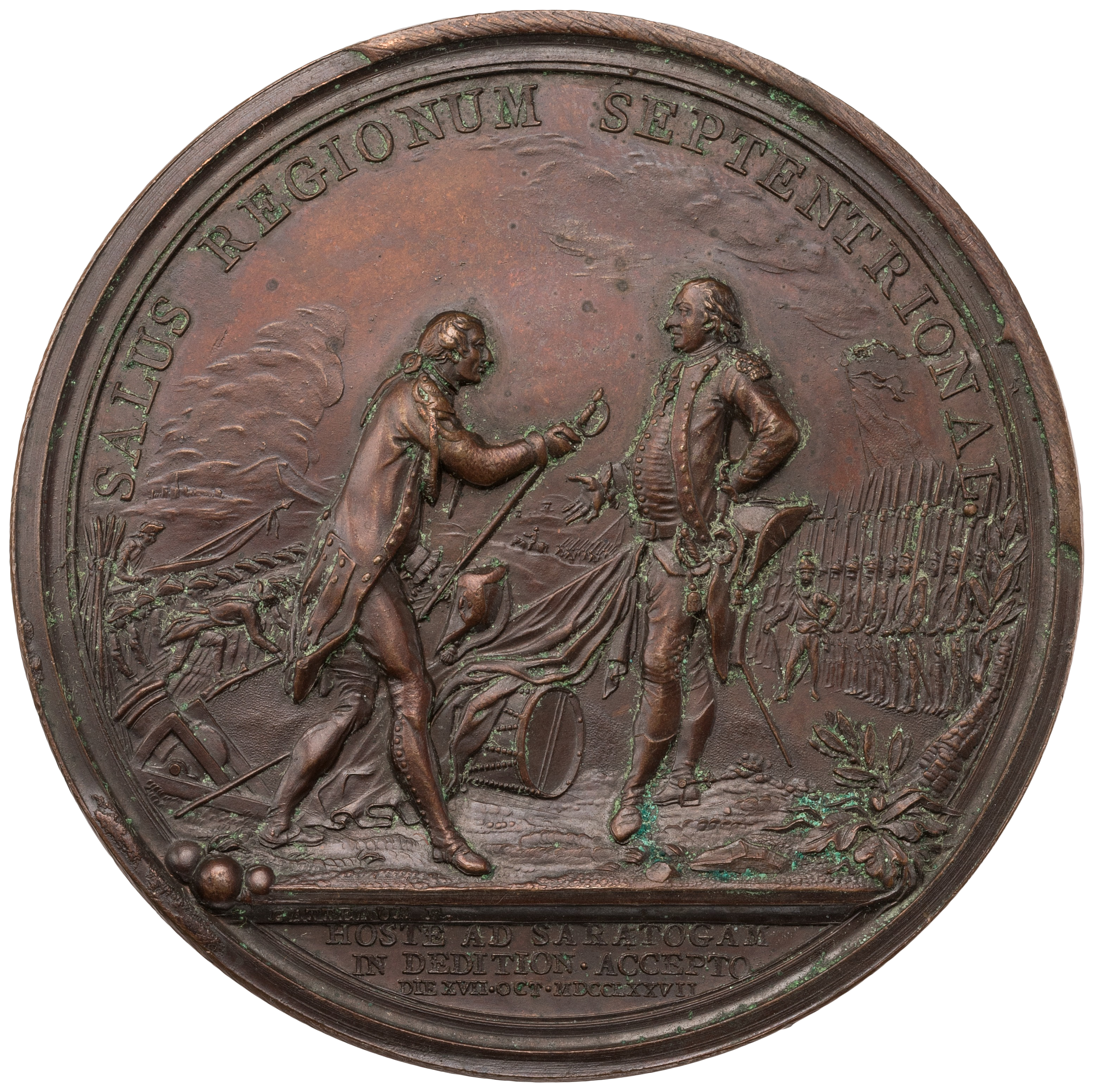
Major General Horatio Gates
Battle of Saratoga, New York, 1777
Bronze
Dies engraved by Nicolas-Marie Gatteaux, Paris
1785-1787American Numismatic Society 1951.65.1, Acquired From F.W. Vogeler
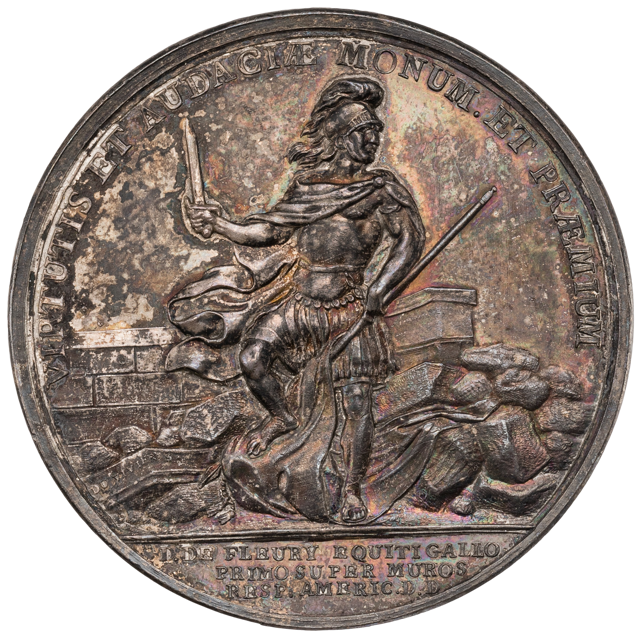
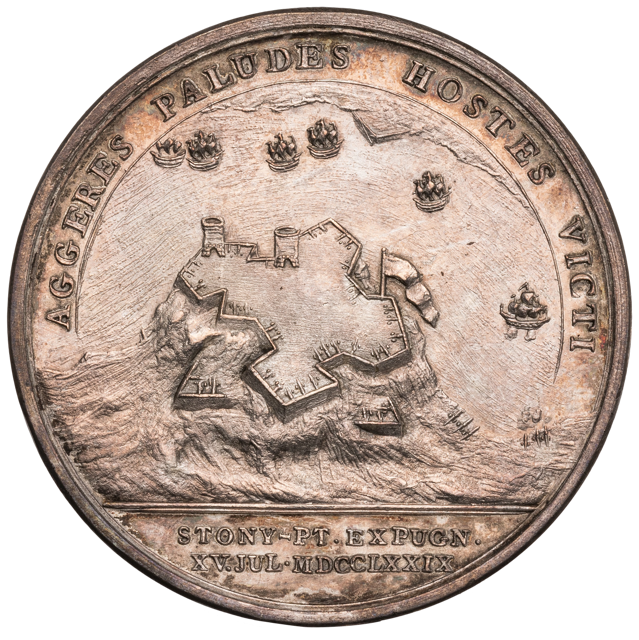
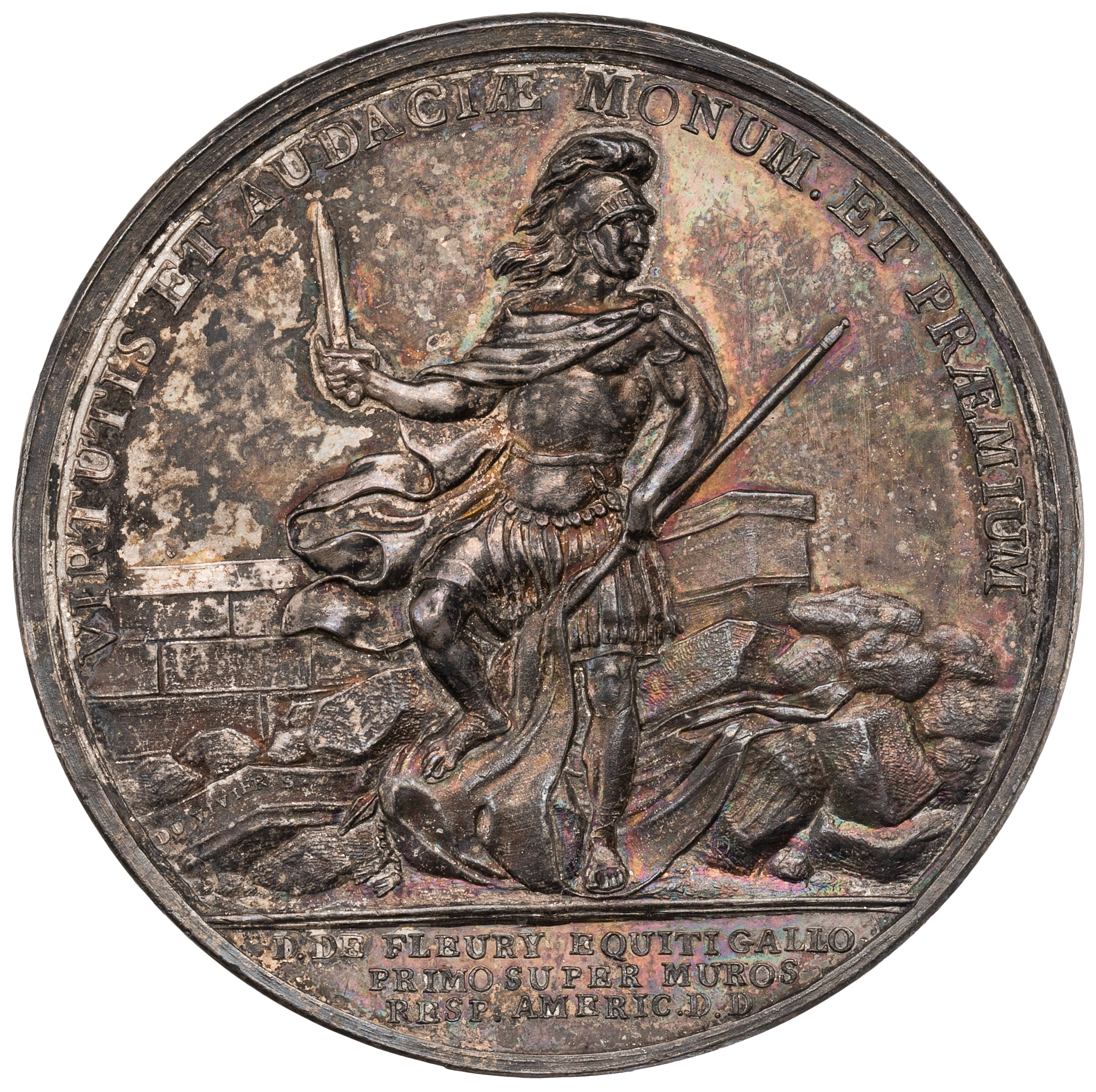
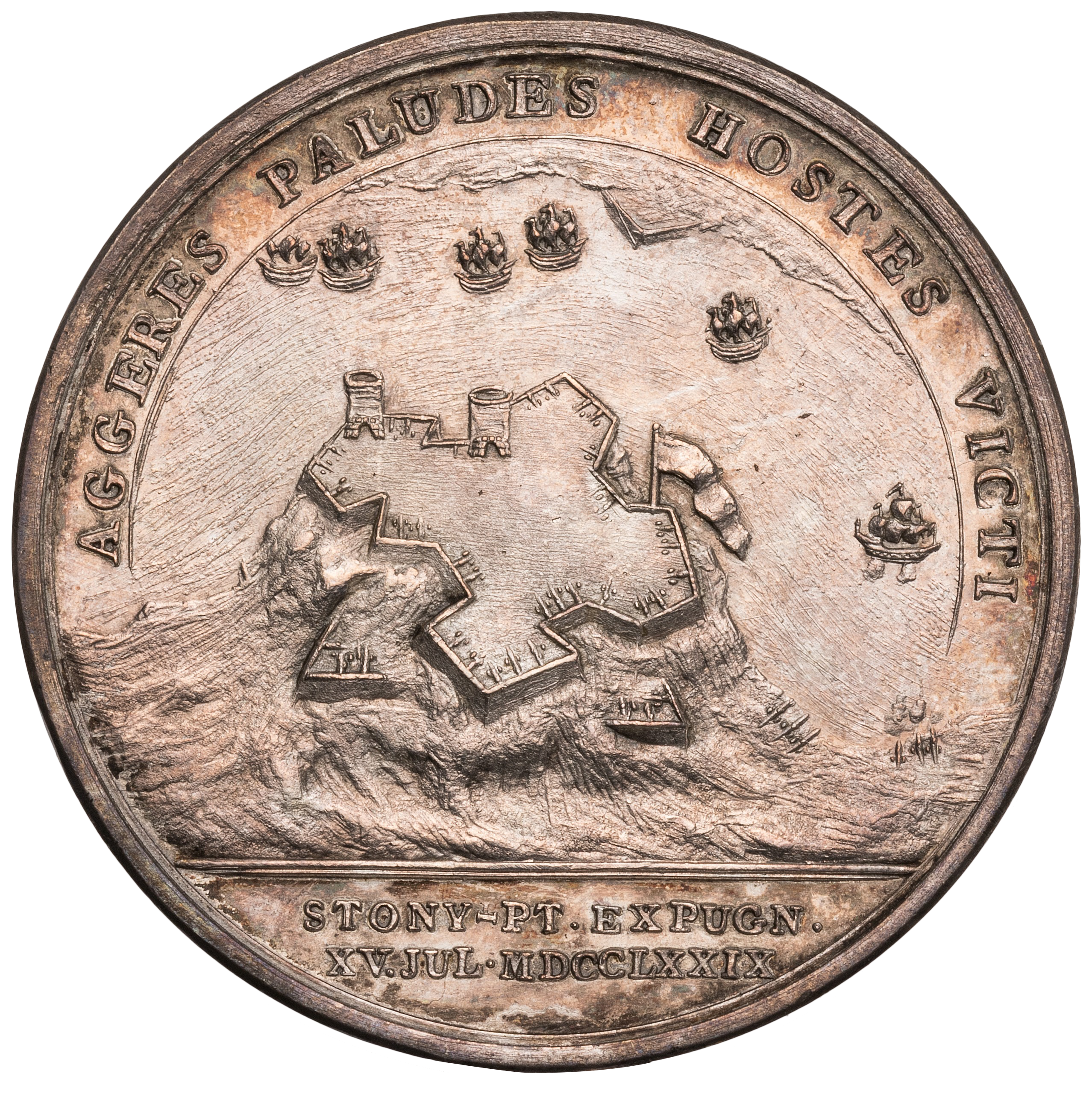
Lieutenant Colonel François-Louis Teissédre de Fleury
Assault on Stony Point, New York, 1779
Silver
Dies engraved by Pierre-Simon-Benjamin Duvivier, Paris
1780American Numismatic Society 0000.999.38316
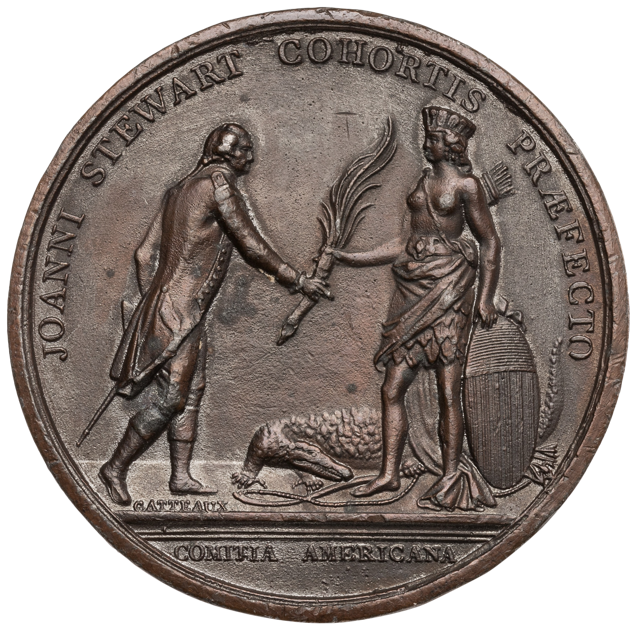
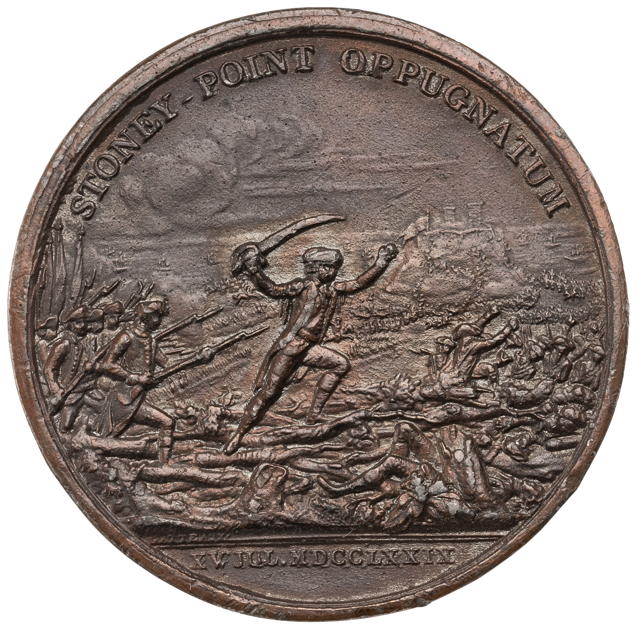
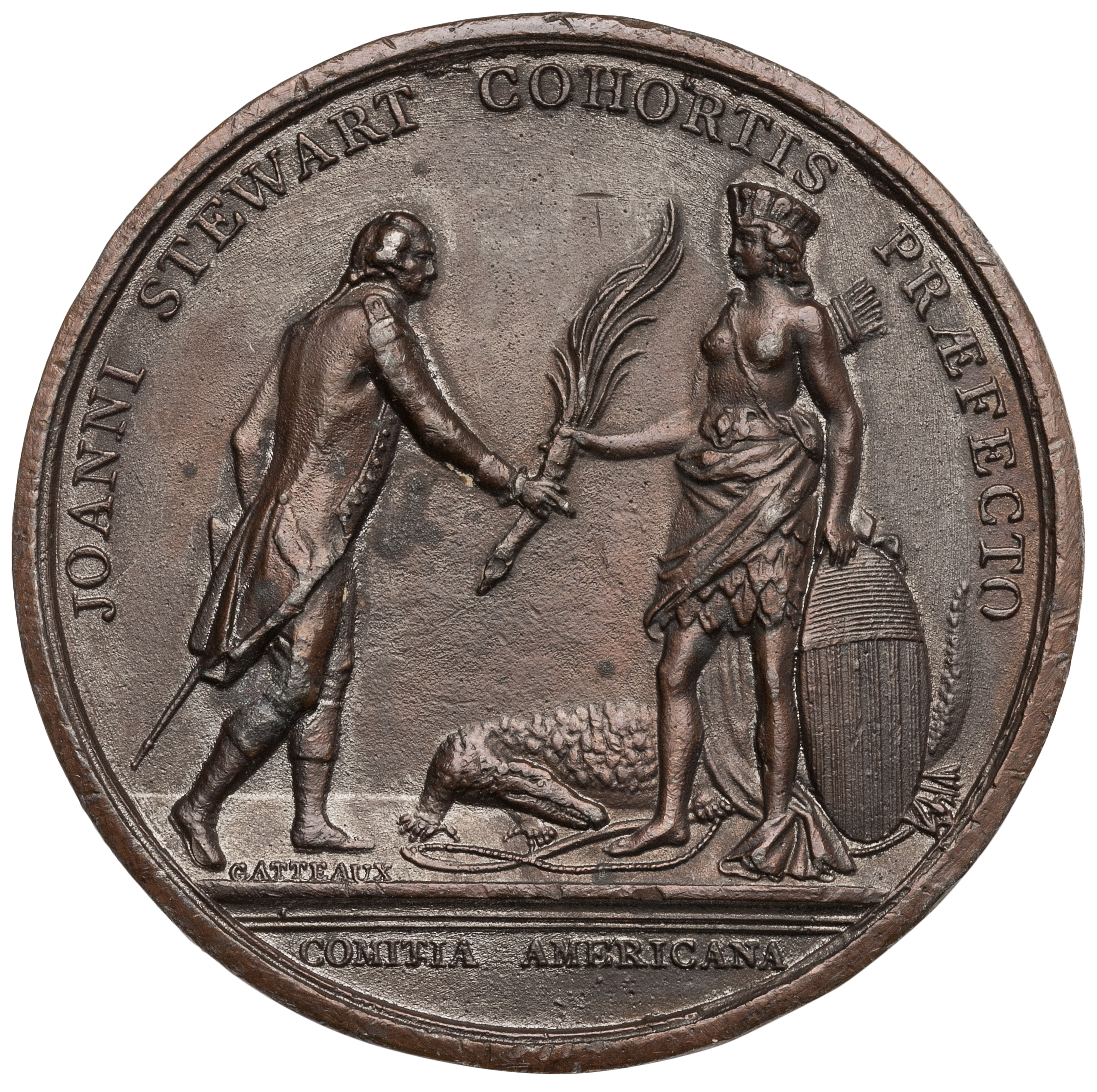
Major John Stewart
Assault on Stony Point, New York, 1779
Bronze
Dies engraved by Nicolas-Marie Gatteaux, Paris
1789American Numismatic Society 0000.999.38318
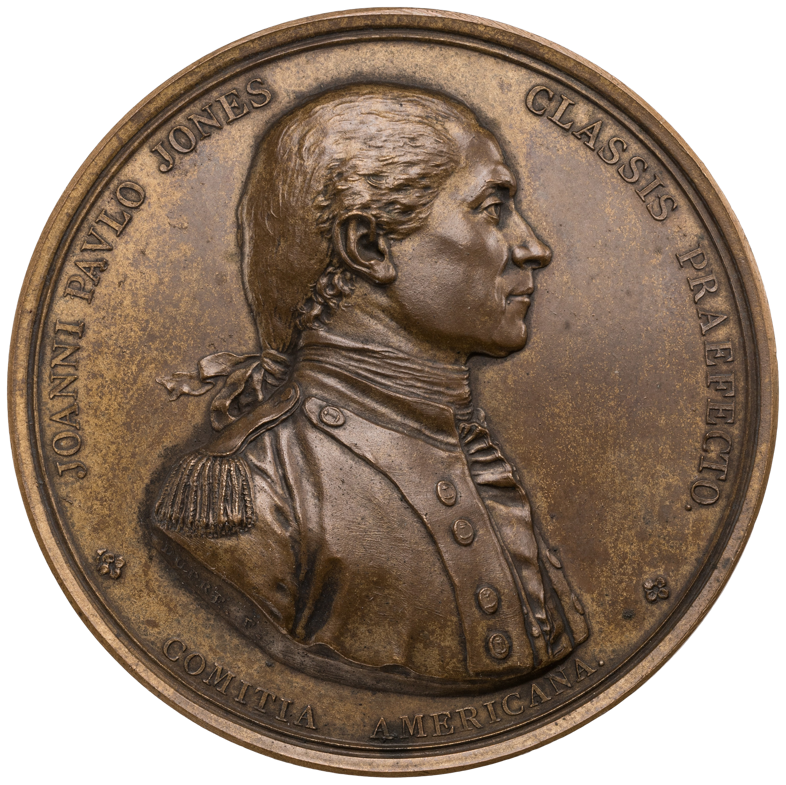
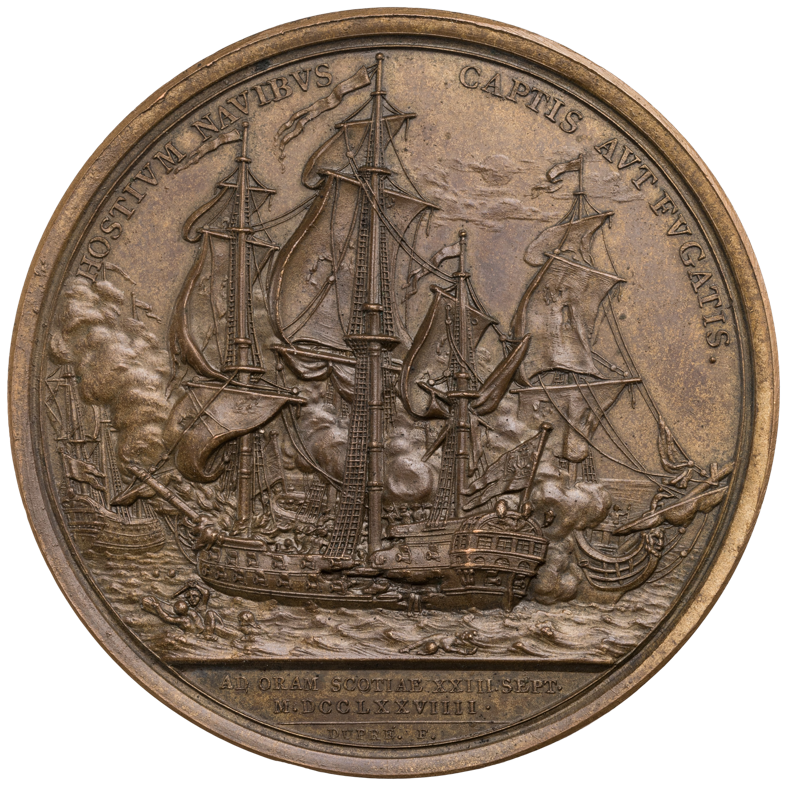
Captain John Paul Jones
Battle of the USS Bonhomme Richard and HMS Serapis, 1779
Copper
Dies engraved by Augustin Dupré, Paris
1789American Numismatic Society 0000.999.38320
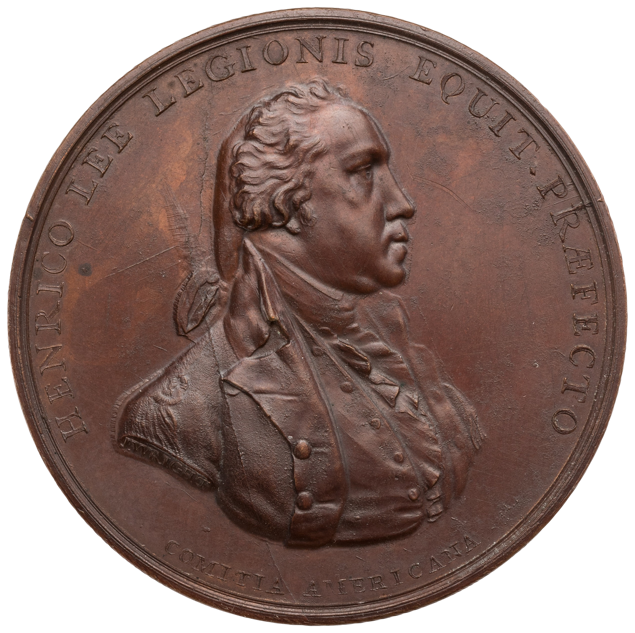
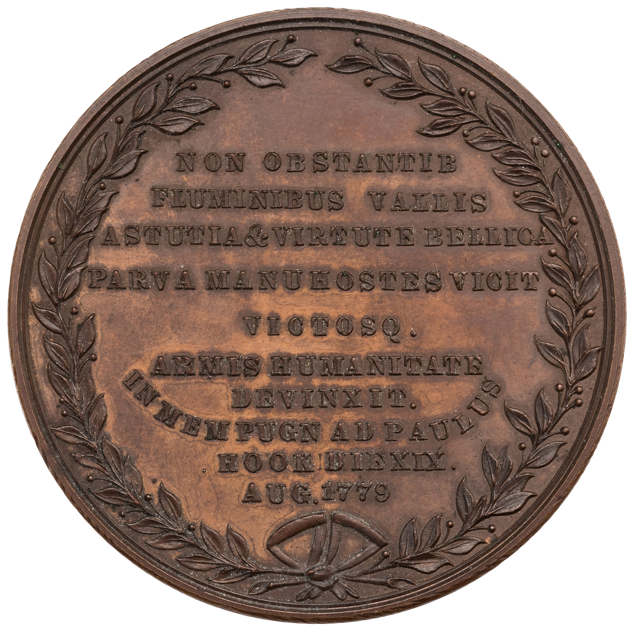
Major Henry Lee
Battle of Paulus Hook, New Jersey, 1779
Bronze
Dies engraved by Joseph Wright, Philadelphia
1792American Numismatic Society 1967.225.520
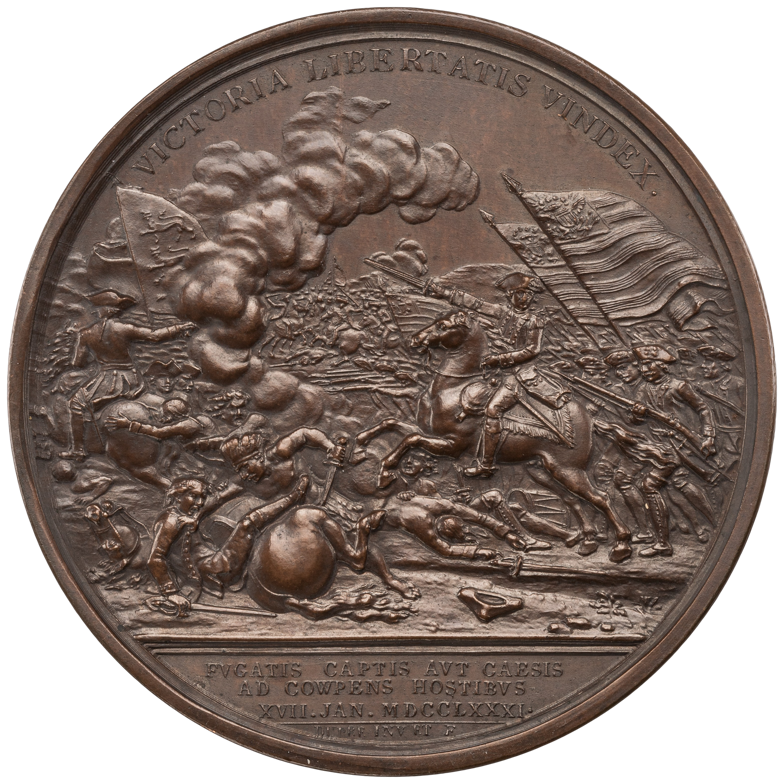
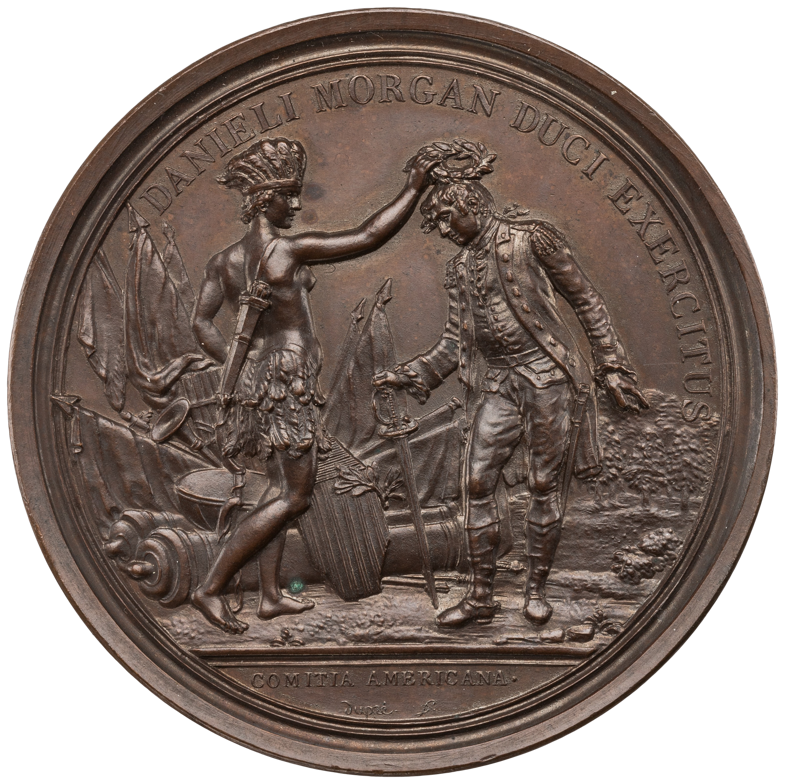
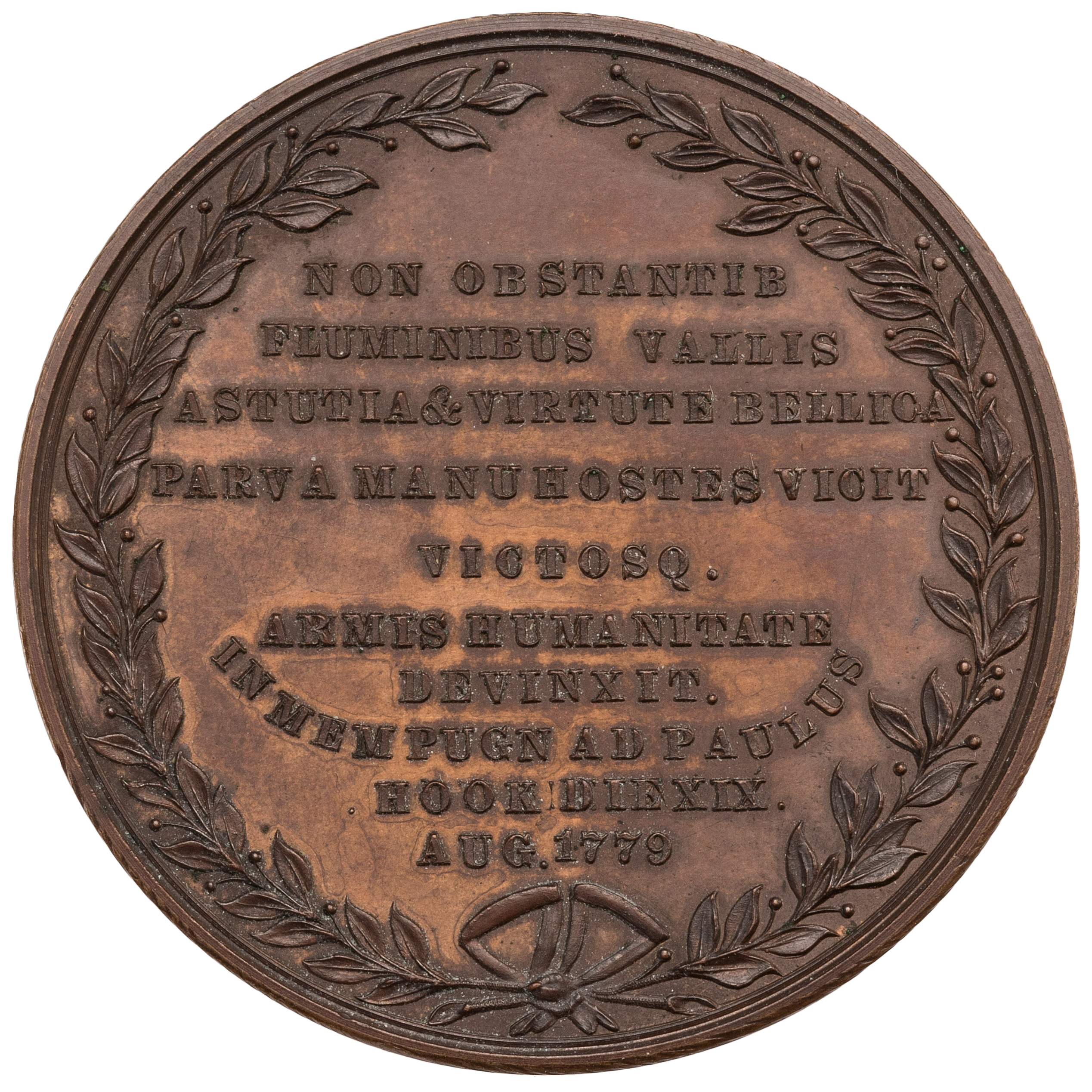
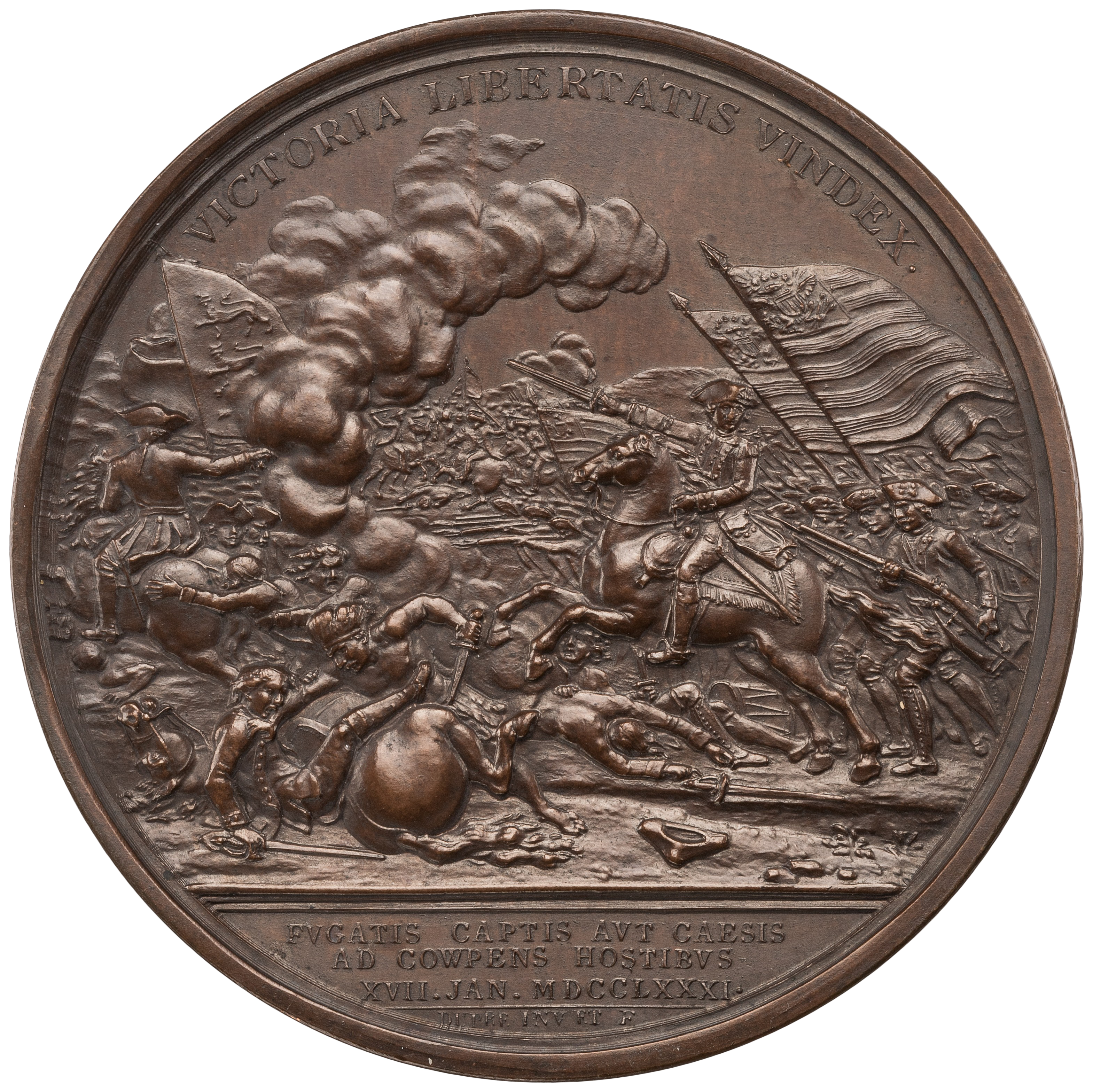
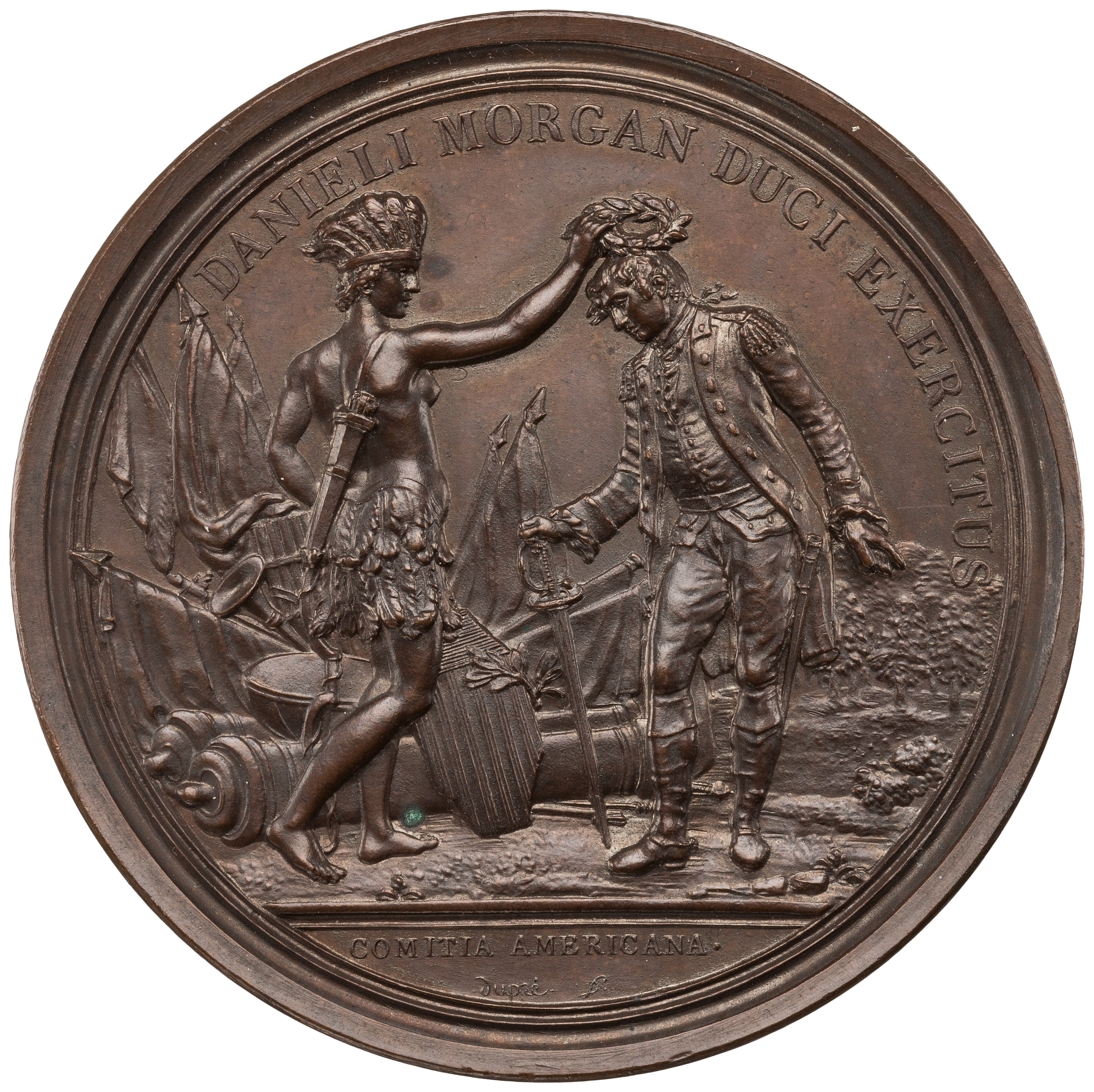
Brigadier General Daniel Morgan
Battle of the Cowpens, South Carolina, 1781
Bronze
Dies engraved by Augustin Dupré, Paris
1789American Numismatic Society 1967.225.523
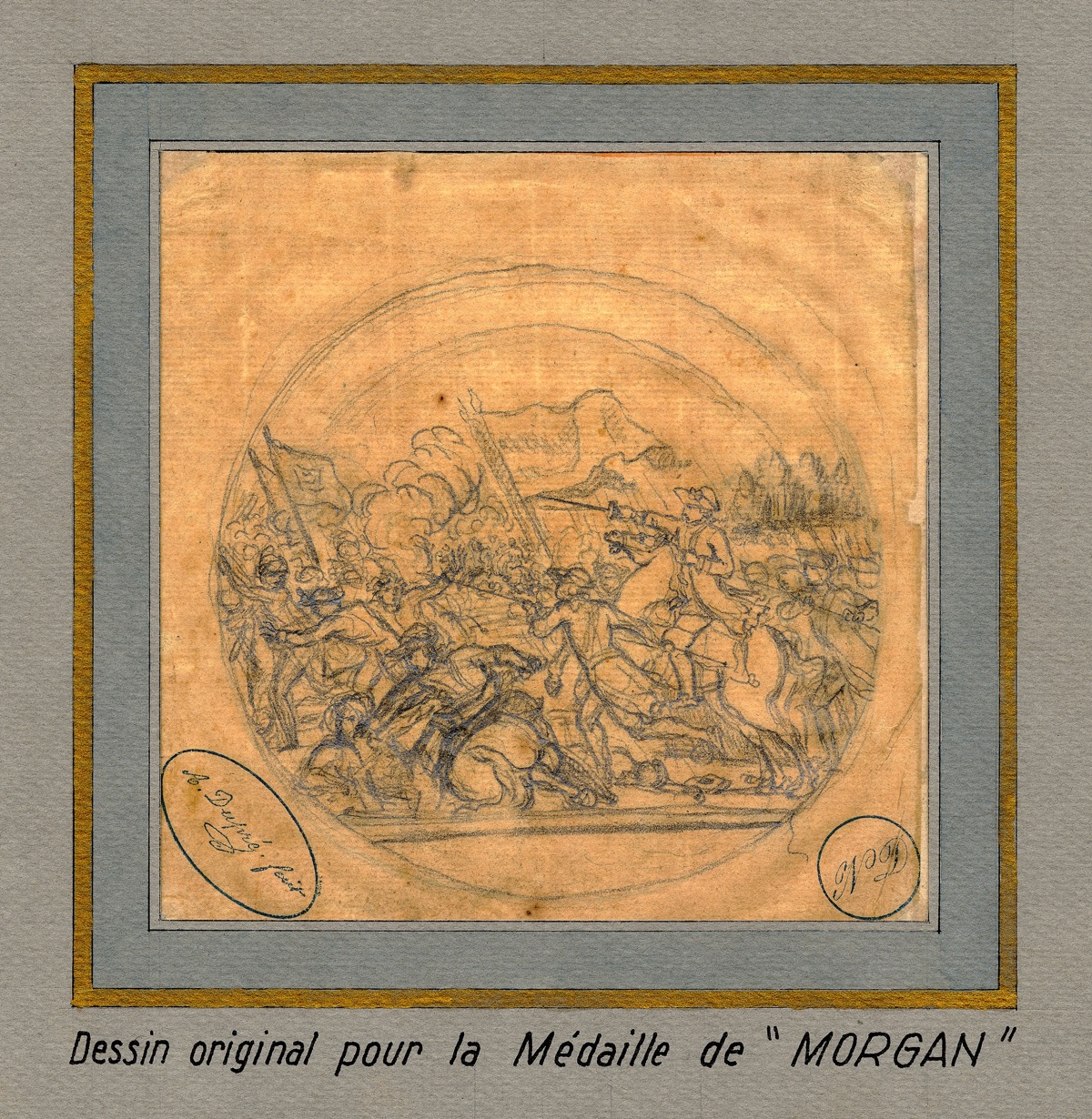
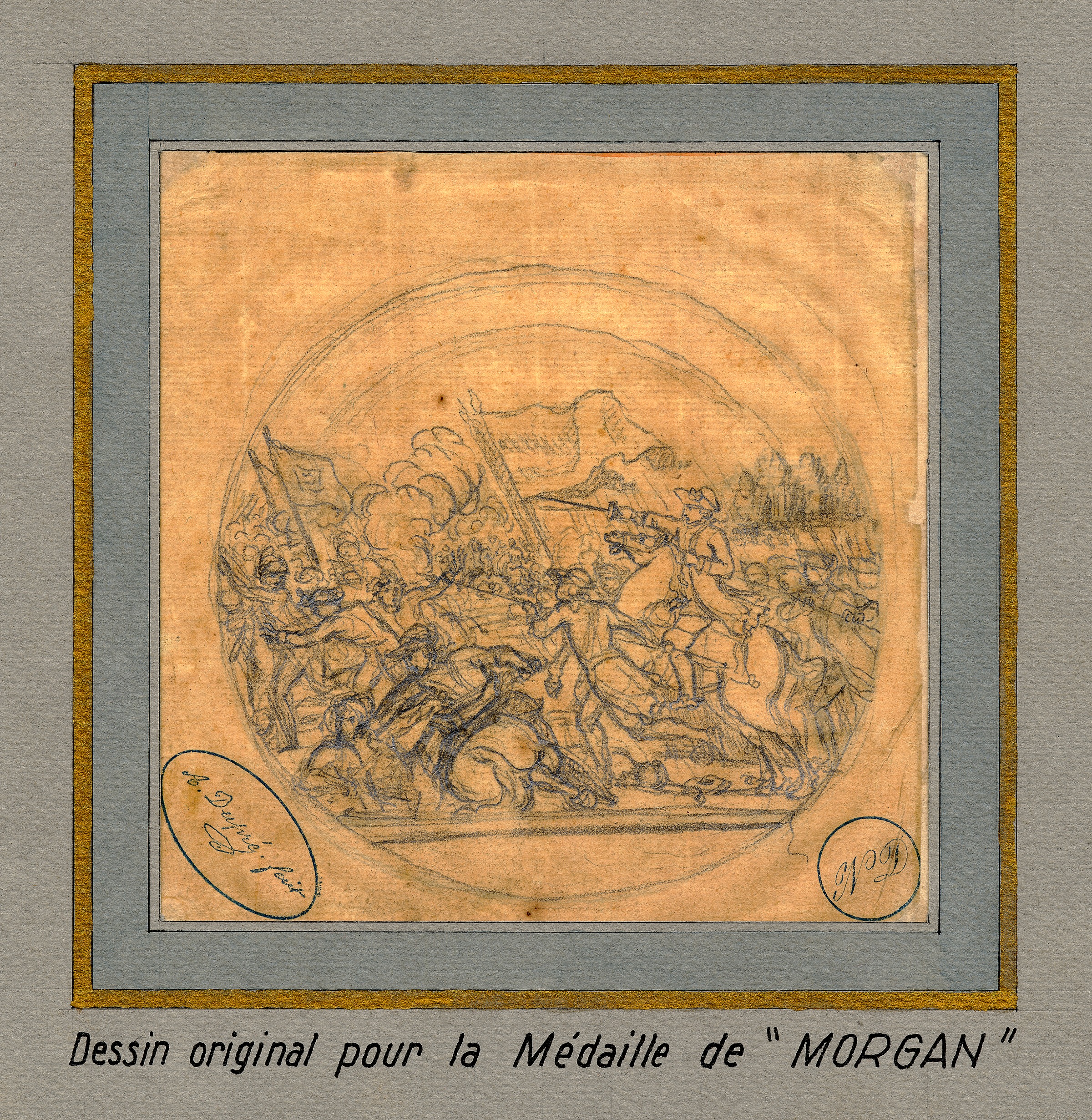
Sketch for Daniel Morgan medal
By Augustin Dupré, n.d.
undated, ca. 1789Courtesy of the American Philosophical Society
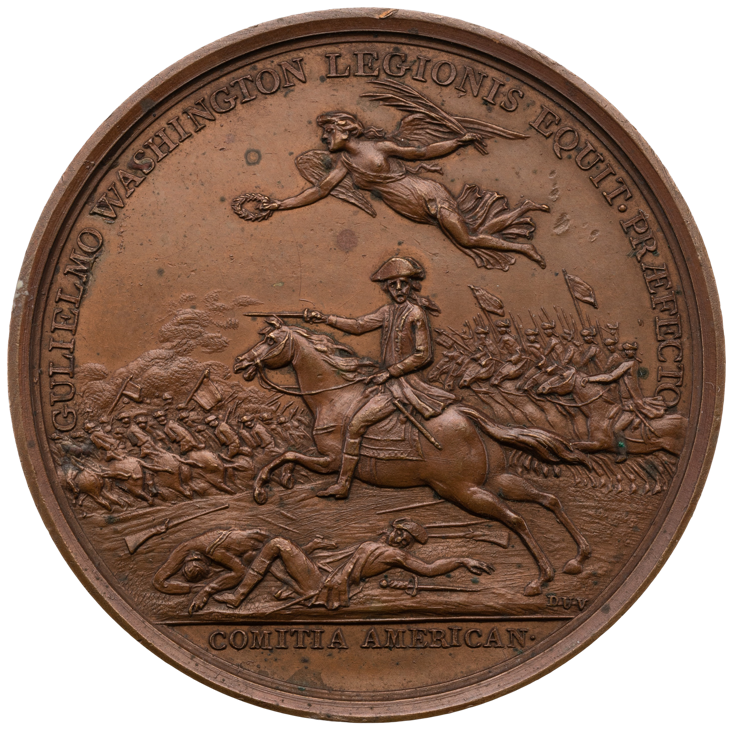
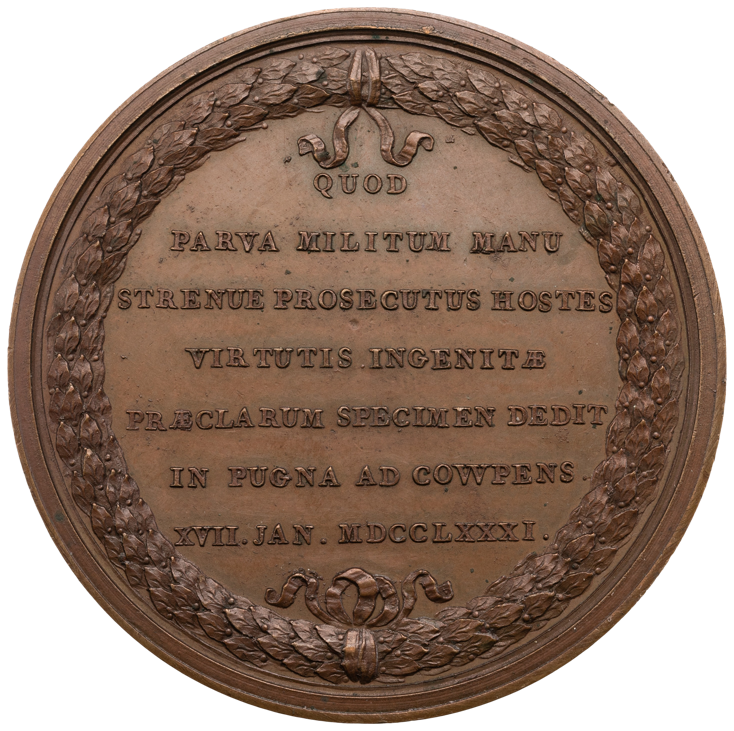
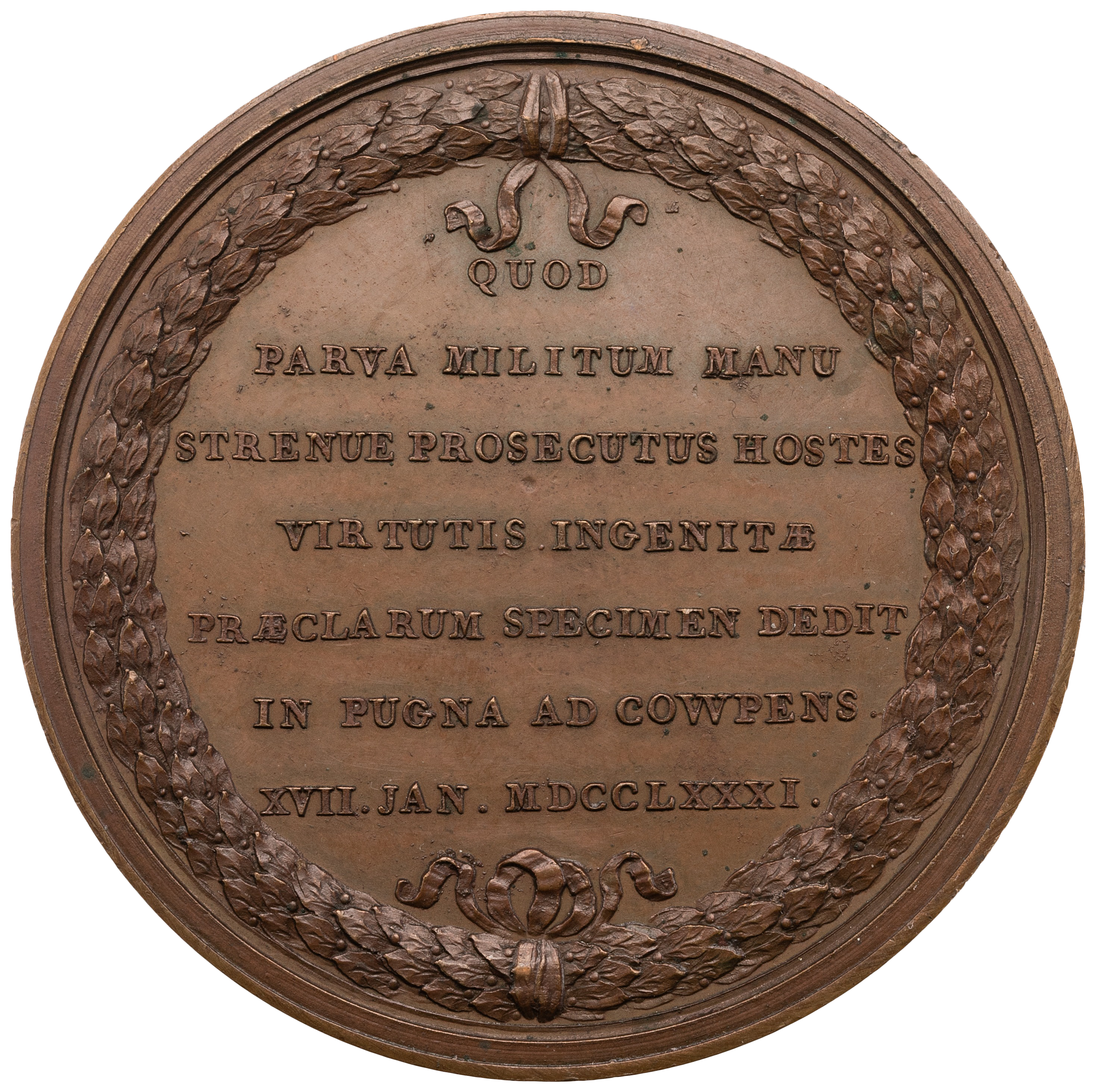
Lieutenant Colonel William A. Washington
Battle of the Cowpens, South Carolina, 1781
Bronze
Dies engraved by Pierre-Simon-Benjamin Duvivier, Paris
1789American Numismatic Society 0000.999.38343
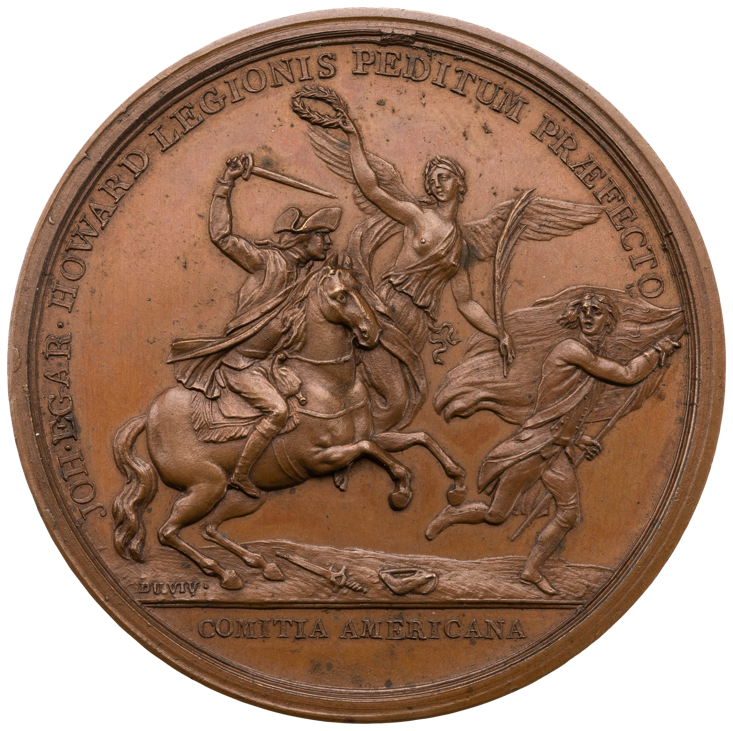
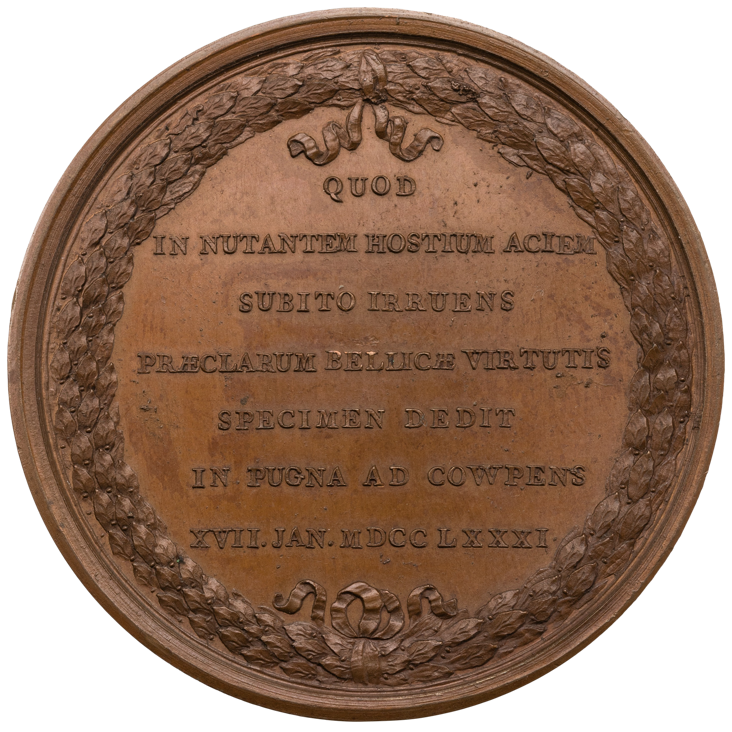
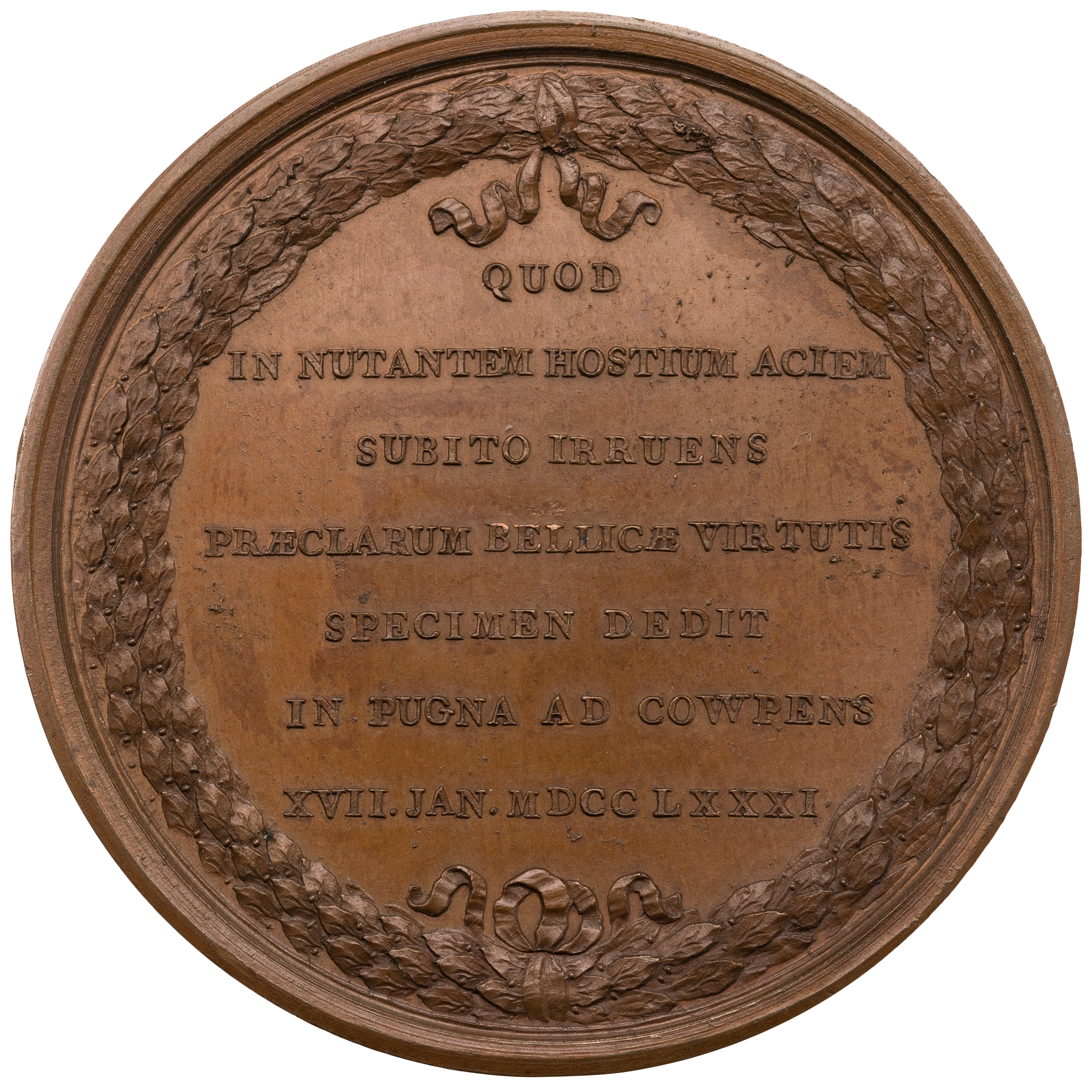
Lieutenant Colonel John Eager Howard
Battle of the Cowpens, South Carolina, 1781
Copper
Dies engraved by Pierre-Simon-Benjamin Duvivier, Paris
1789American Numismatic Society 1967.225.526
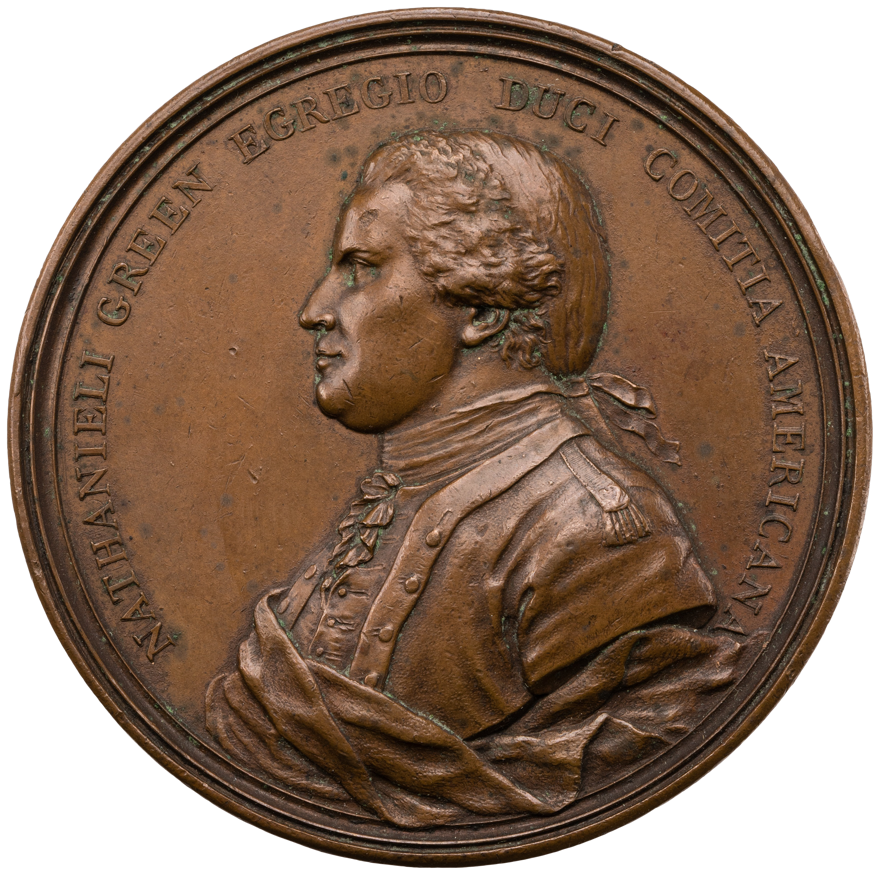
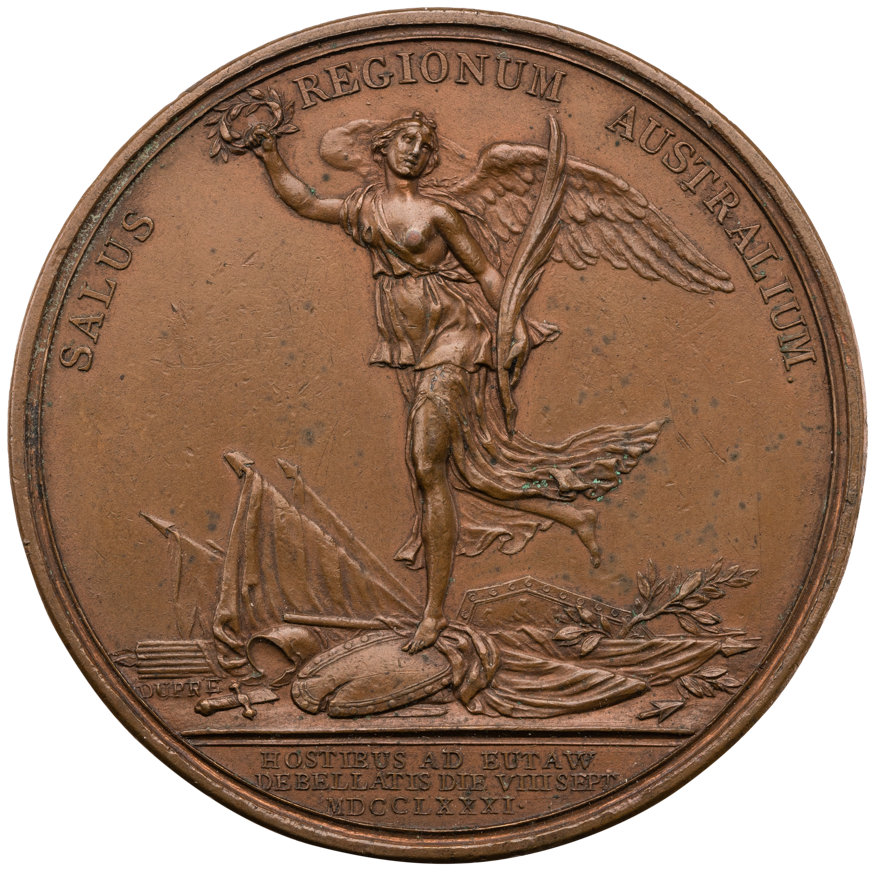
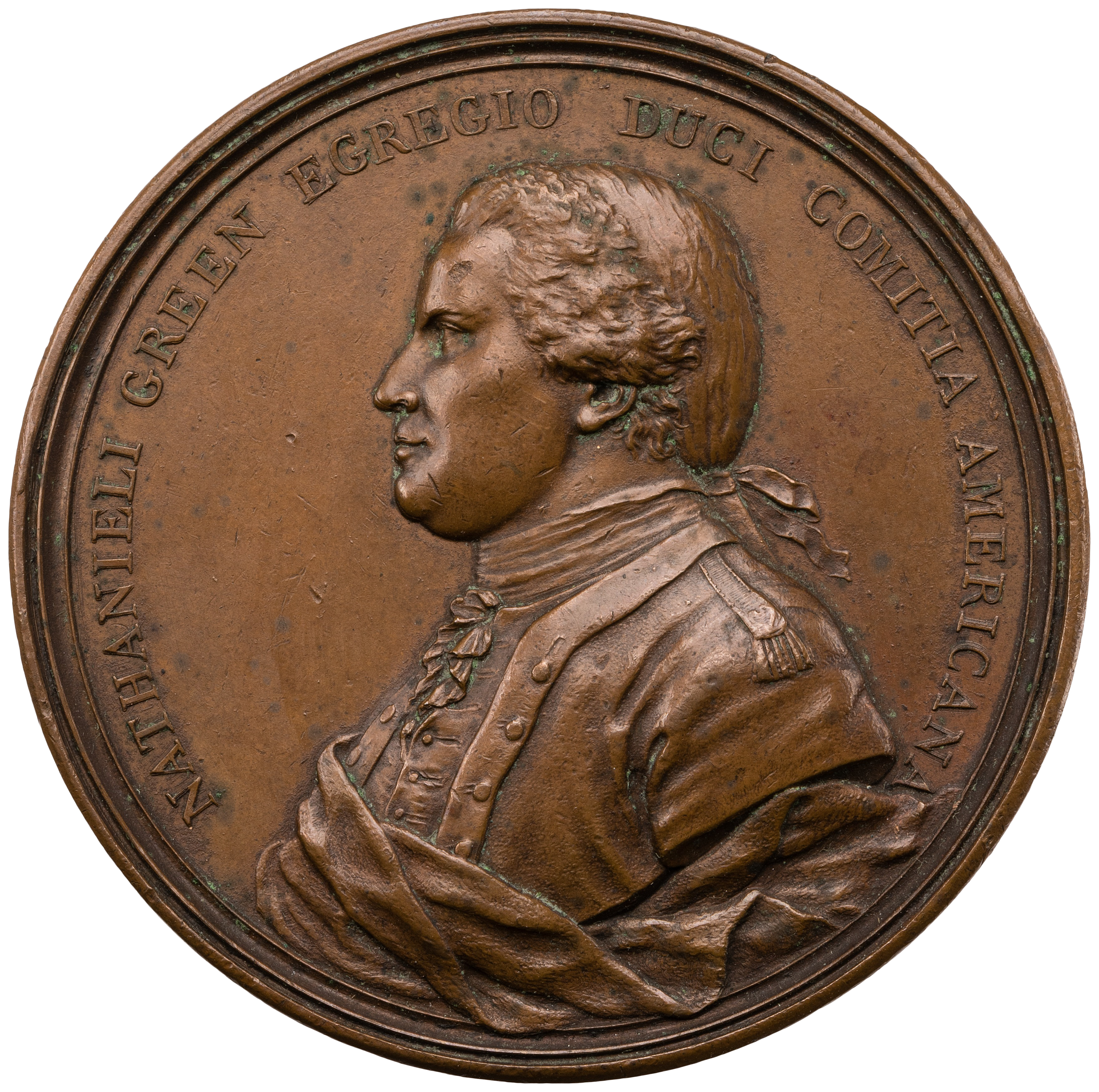
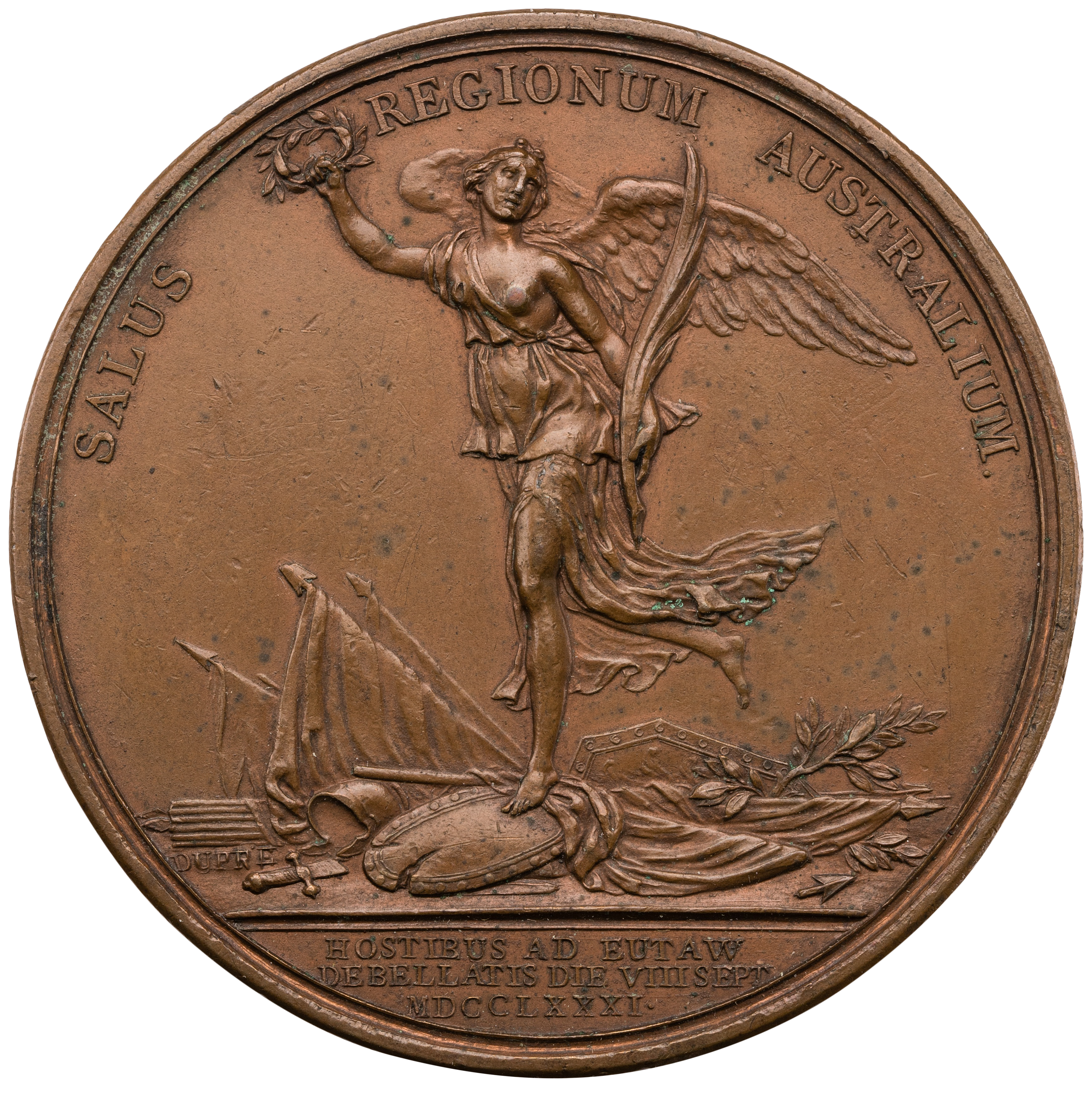
Major General Nathanael Greene
Battle of Eutaw Springs, North Carolina, 1781
Dies engraved by Augustin Dupré, Paris
1785-1787American Numismatic Society 1940.80.2, Gift of M.M. Greenwood
-
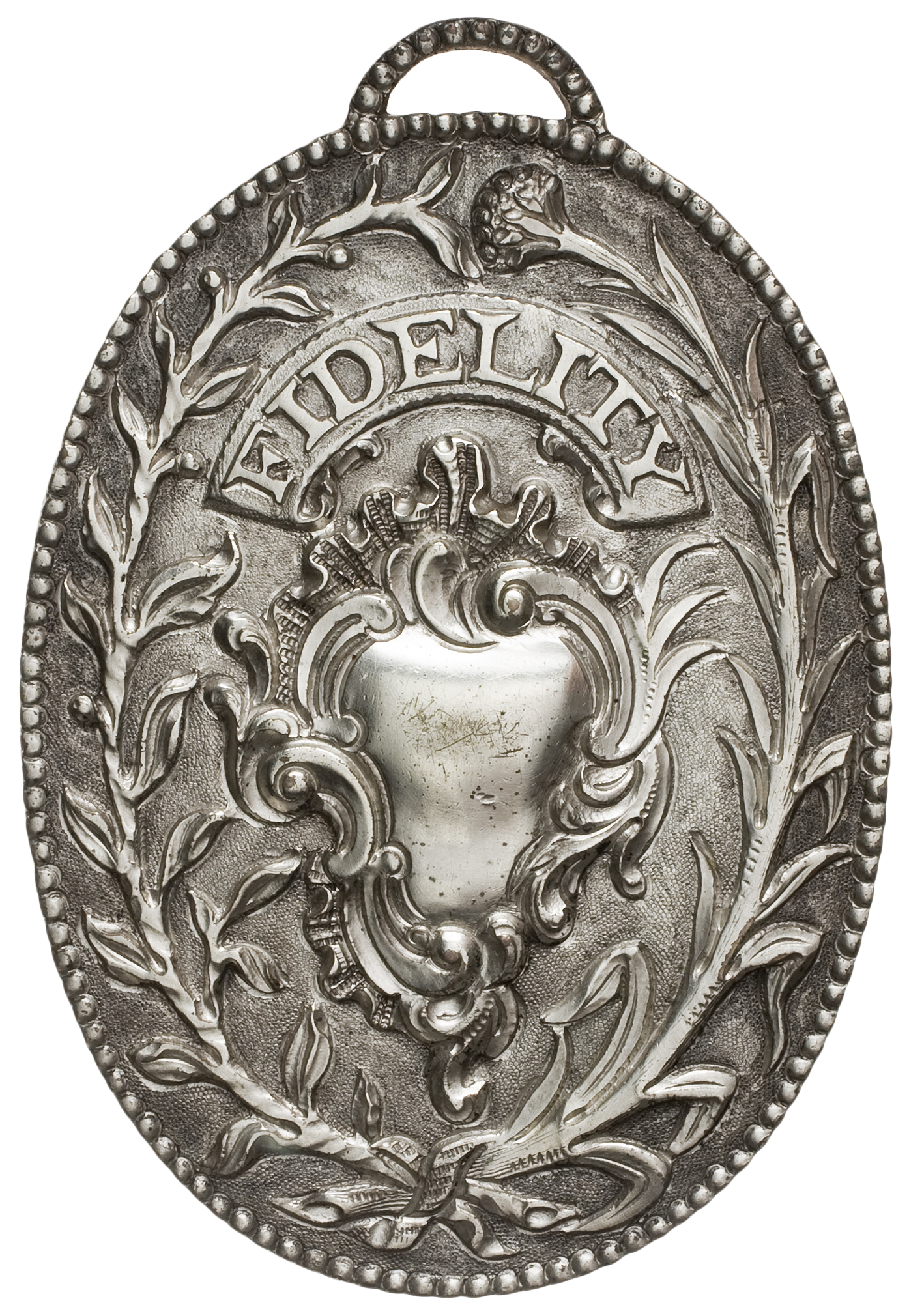
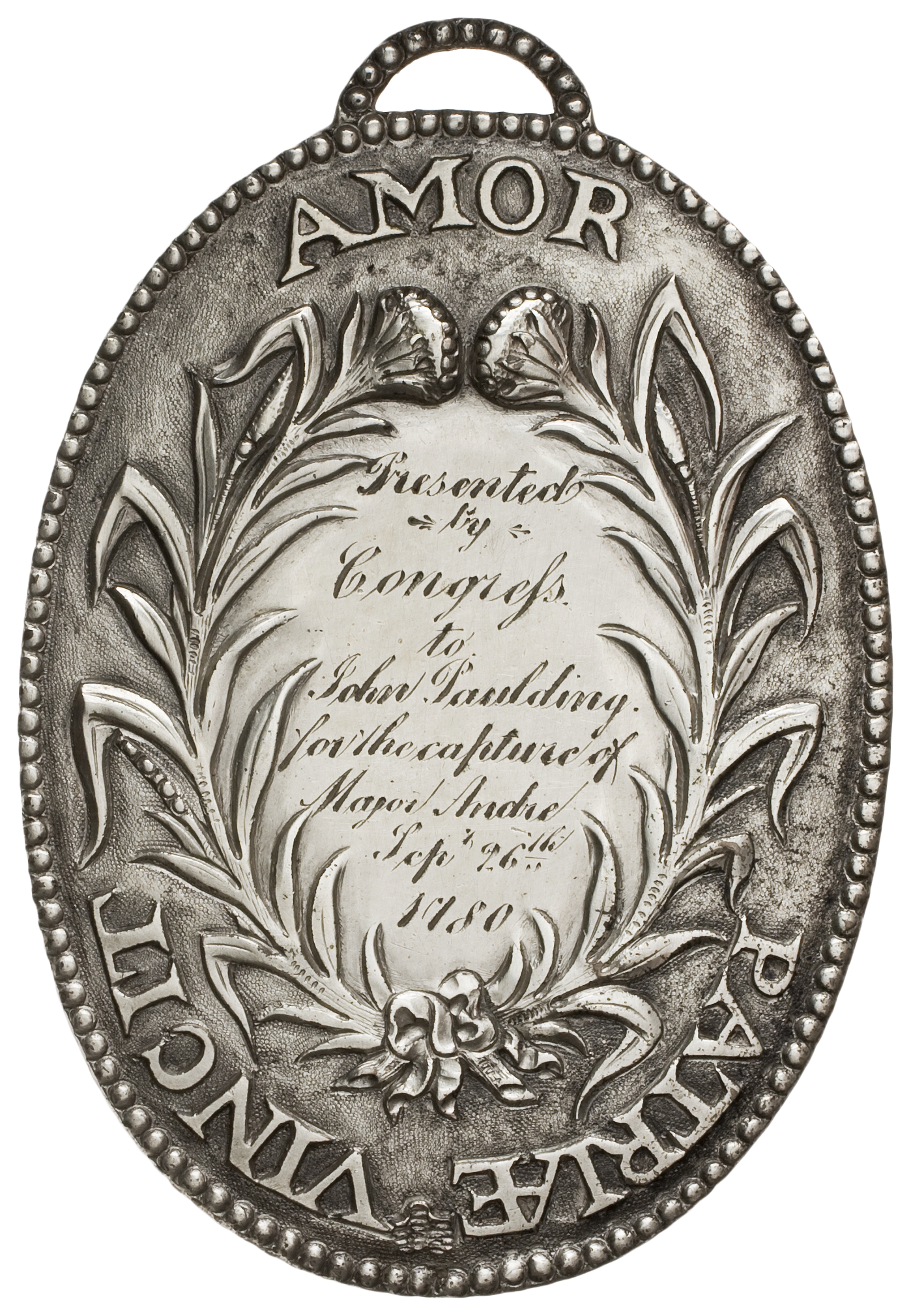
Fidelity Medal
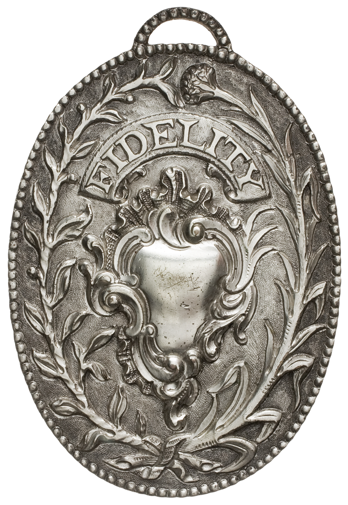
America’s first military decoration was bestowed only once—for the capture of British spy Major John André in September 1780. Congress bestowed the Fidelity Medal to three New York militiamen, John Paulding, Isaac Van Wart, and David Williams, for “nobly disdaining to sacrifice their country for the sake of gold, … whereby the dangerous and traitorous conspiracy of Benedict Arnold was brought to light, … and the United States rescued from impending danger.”
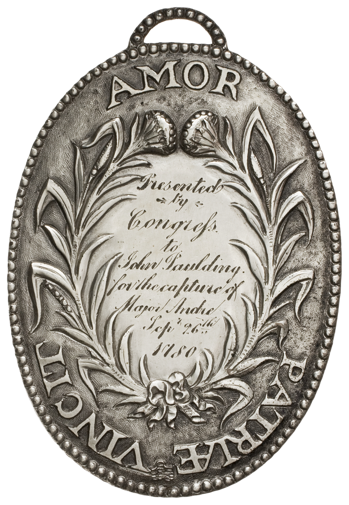
Fidelity (Major André) Medal, 1780
Silver
Copy of medal presented by George Washington to John PauldingAmerican Numismatic Society 1945.23.7
-
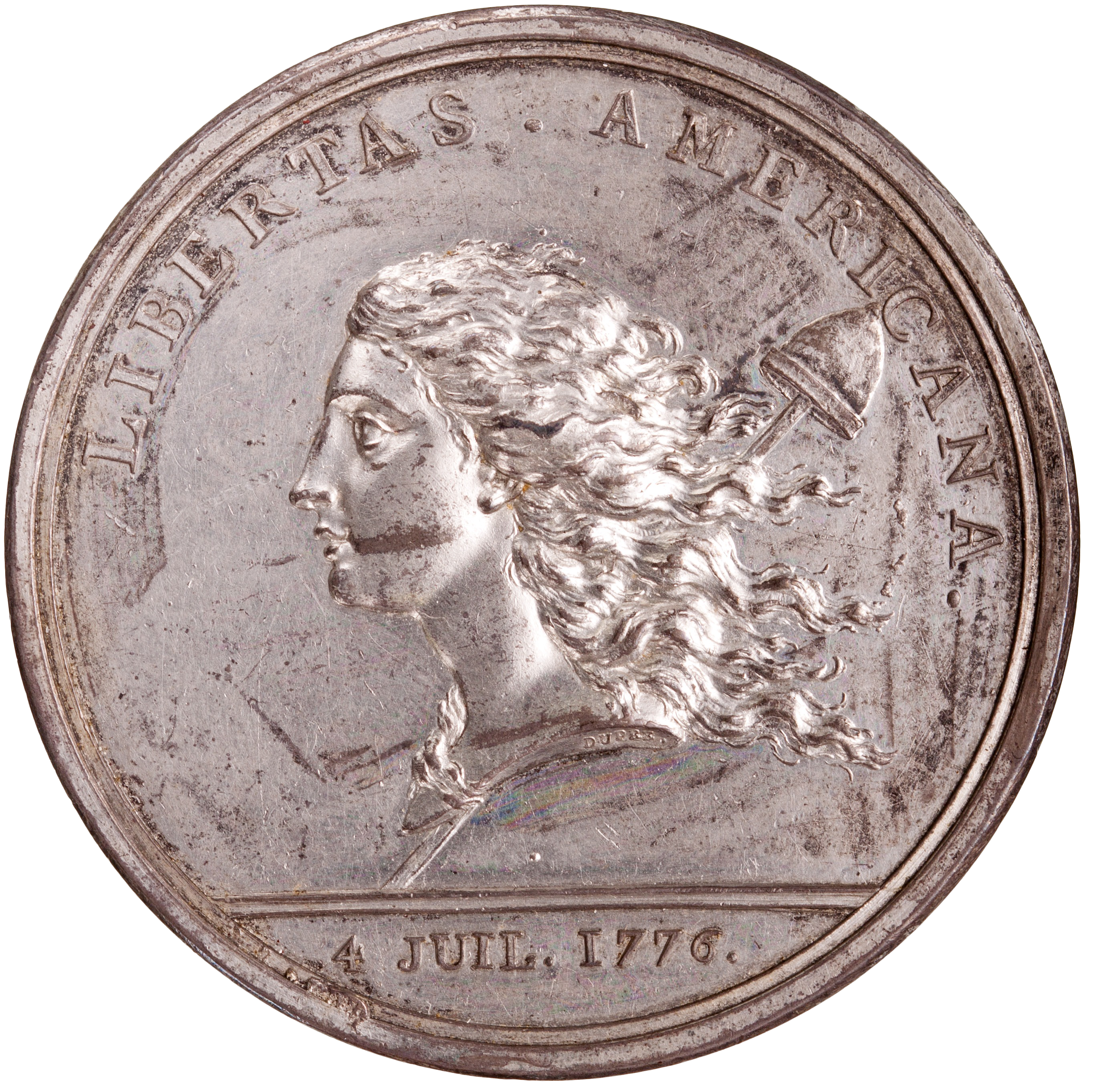
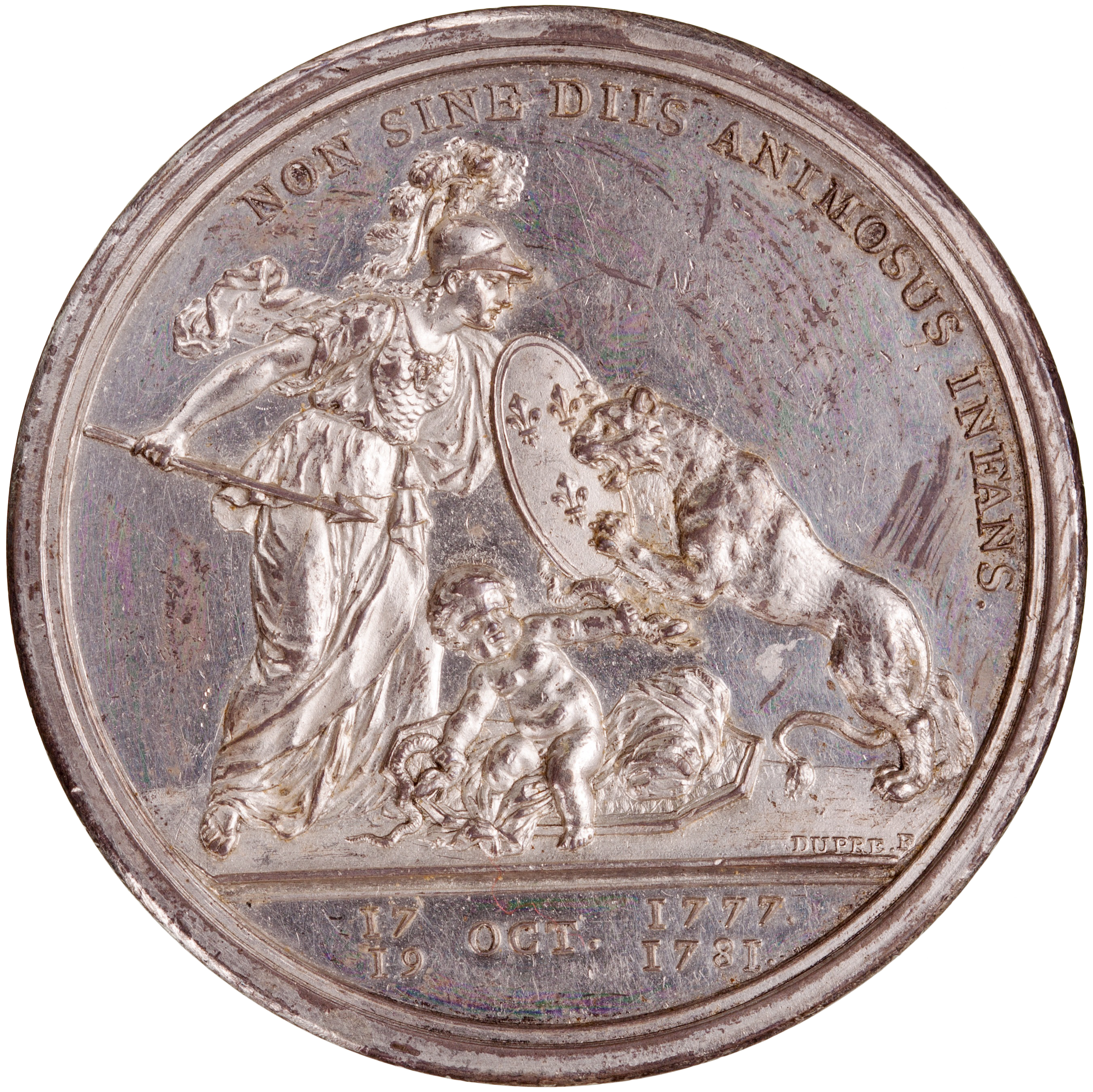
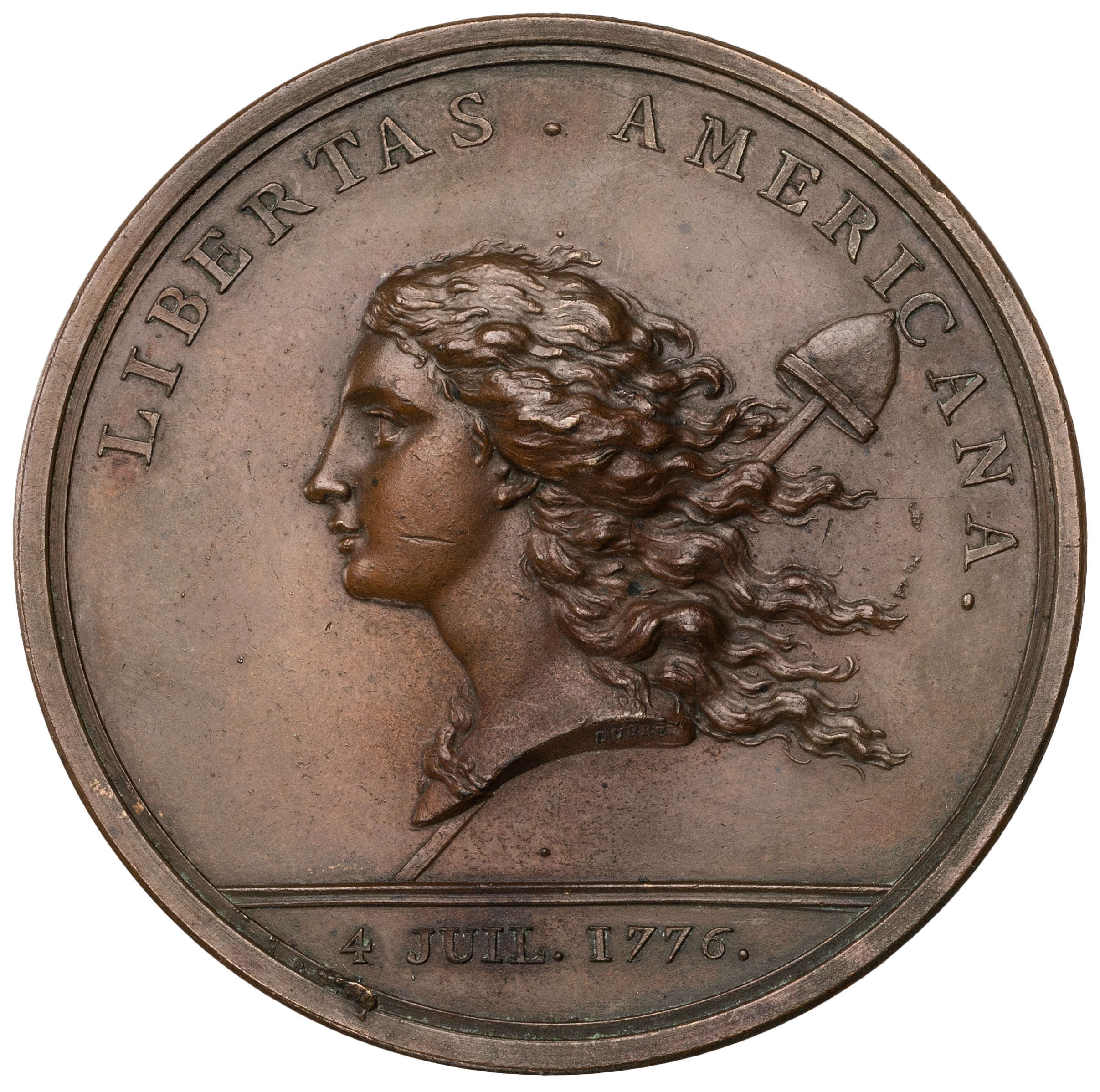
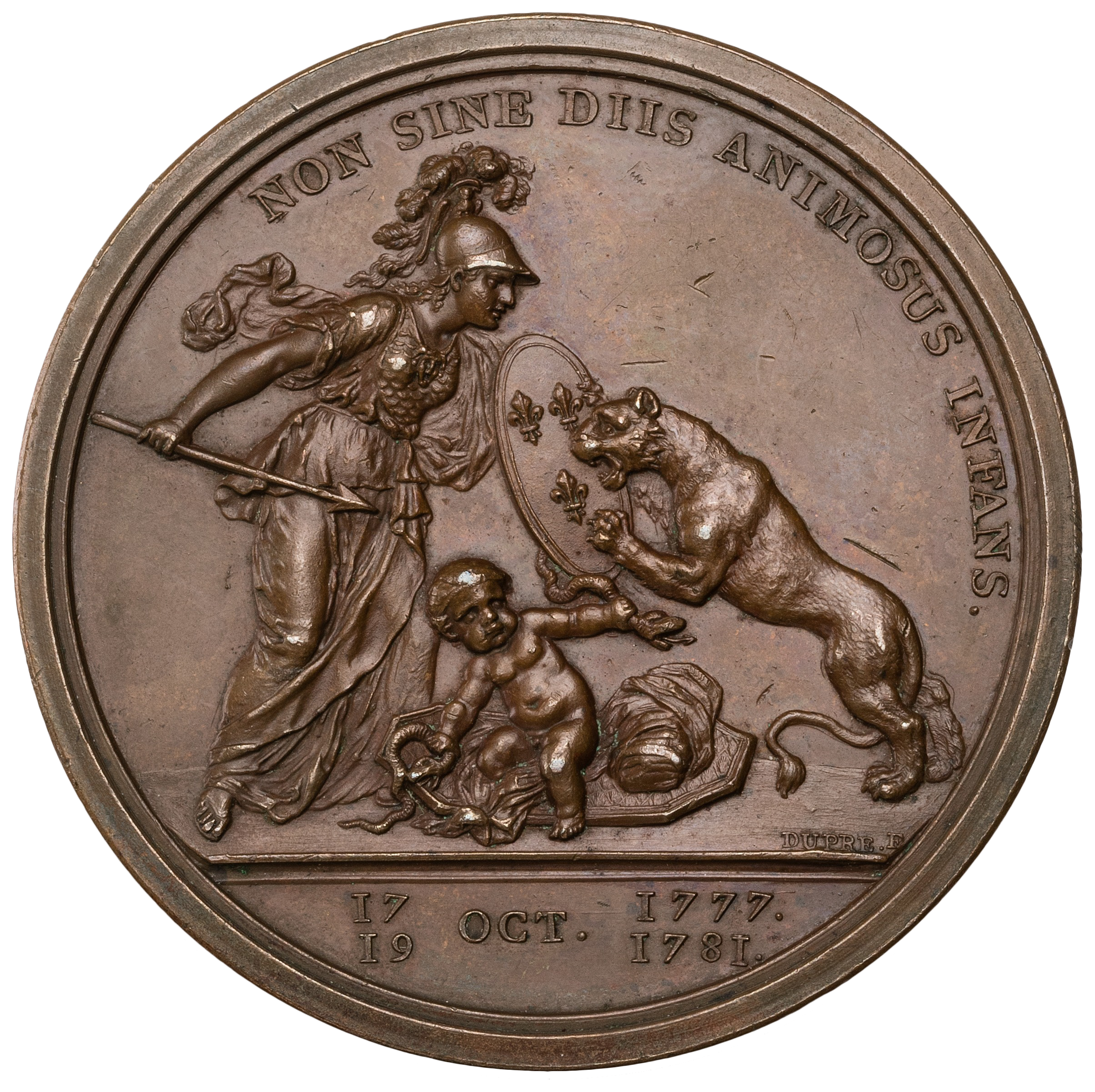
Libertas Americana (American Liberty) Medal
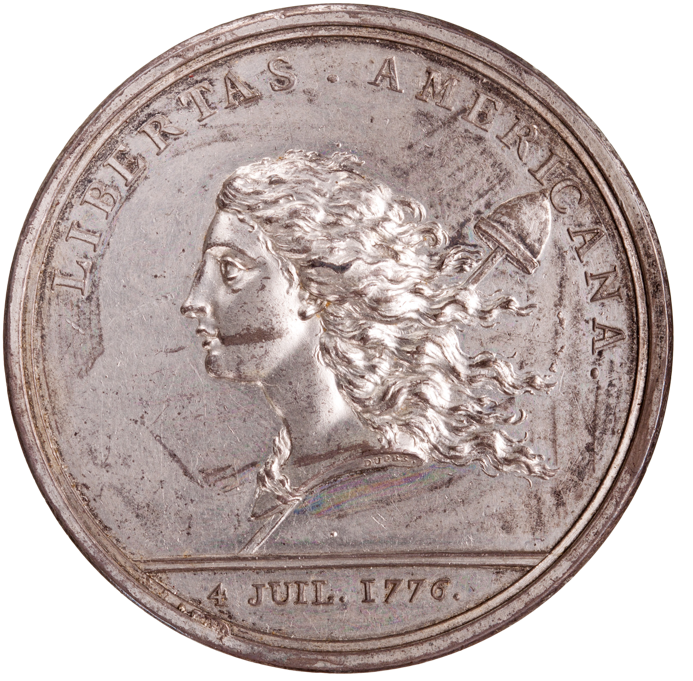
News of the decisive victory at Yorktown in October 1781 prompted Benjamin Franklin, the American minister to France, to commission a medal commemorating the Declaration of Independence and the victorious French-American alliance. The result is considered a masterpiece of medallic art.
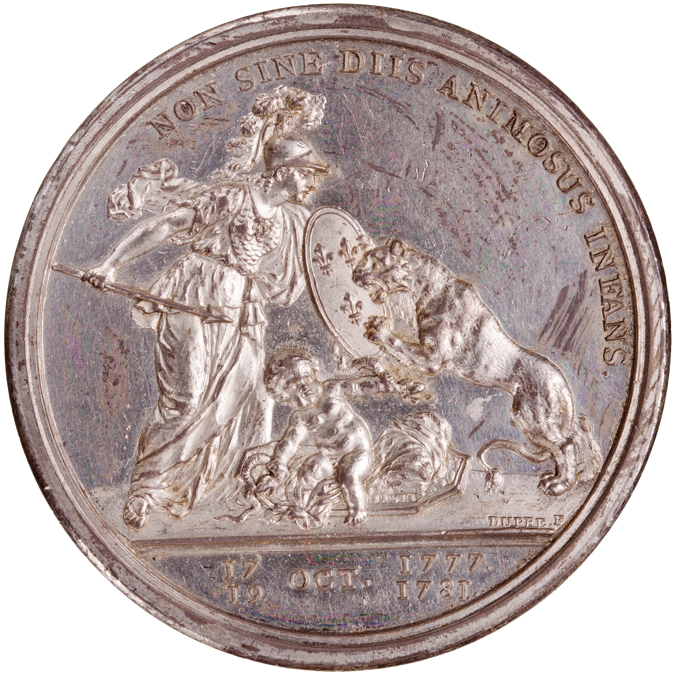
Libertas Americana Medal
Silver
Die engraved by Augustin Dupré, Paris
1782-1783American Numismatic Society 1912.104.4, Gift of Avery Samuel Putnam
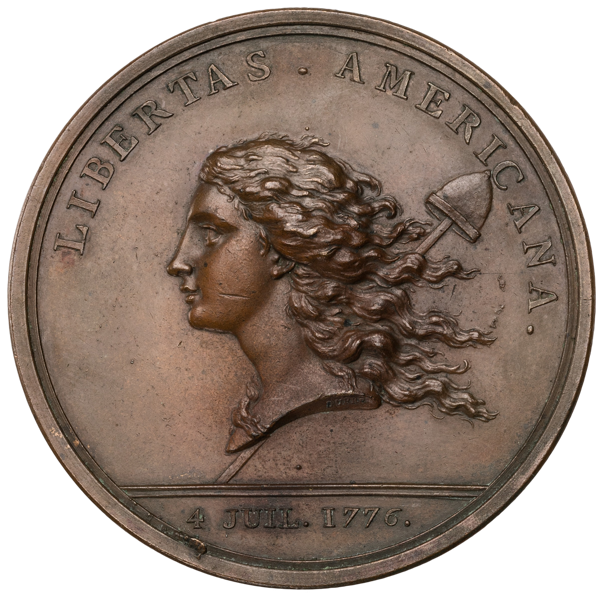
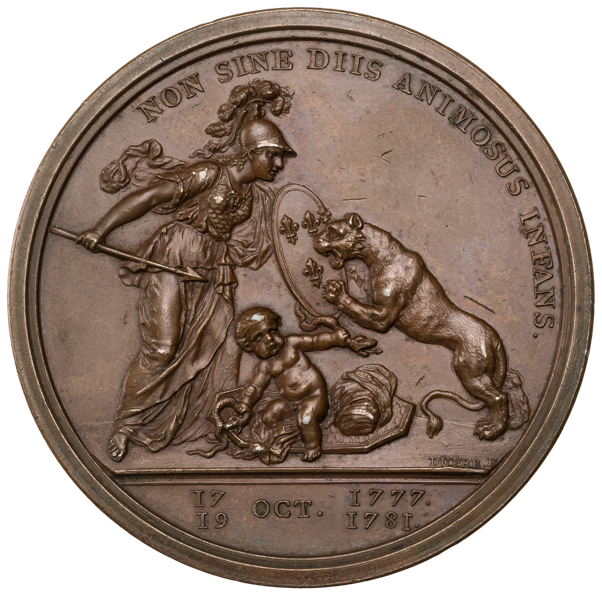
Libertas Americana Medal
Copper
Die engraved by Augustin Dupré, Paris
1782-1783American Numismatic Society 1964.67.1
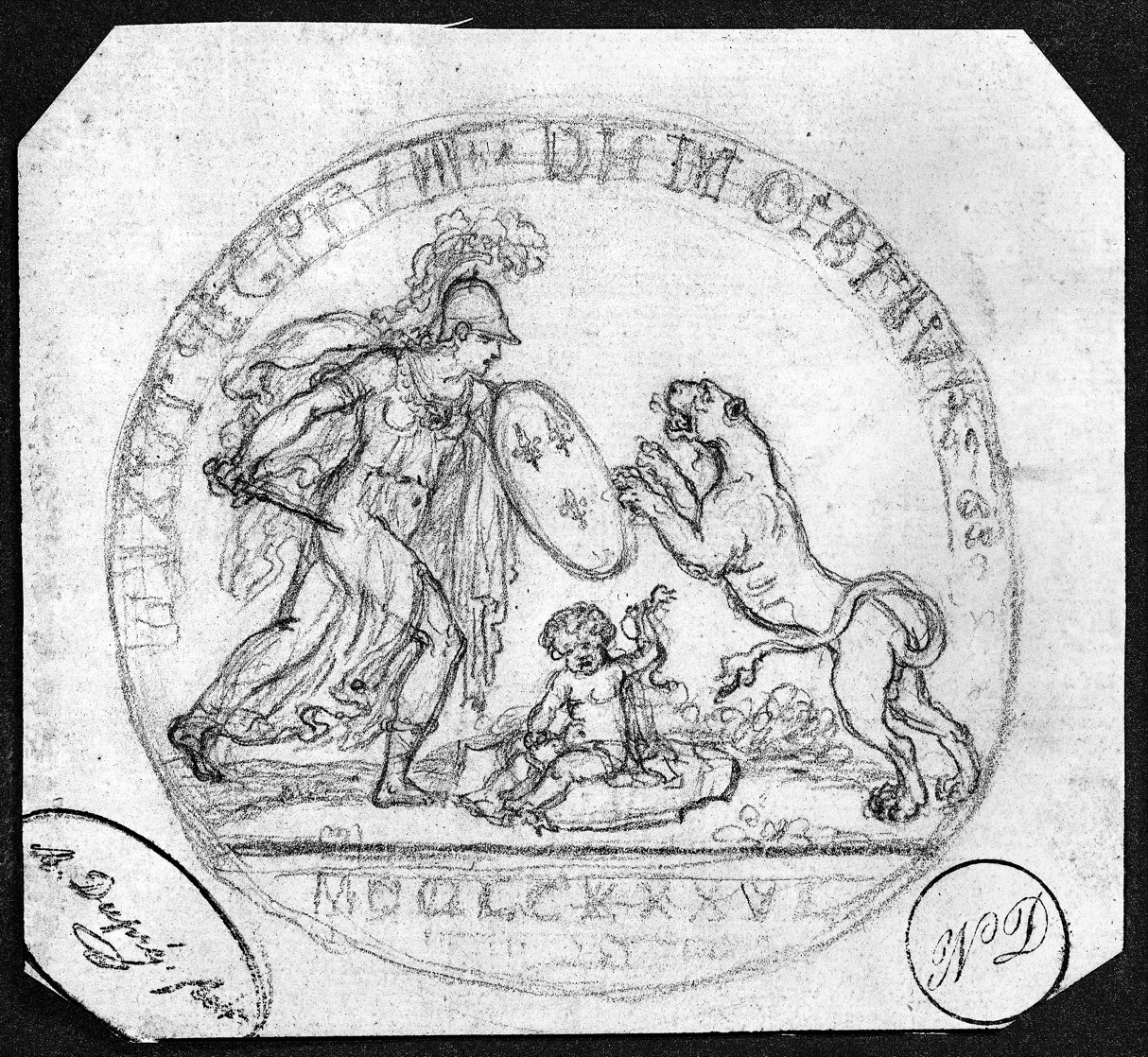
Sketch for the Libertas Americana medal
By Augustin Dupré
1783Courtesy of the American Philosophical Society
-
Benjamin Franklin Medals
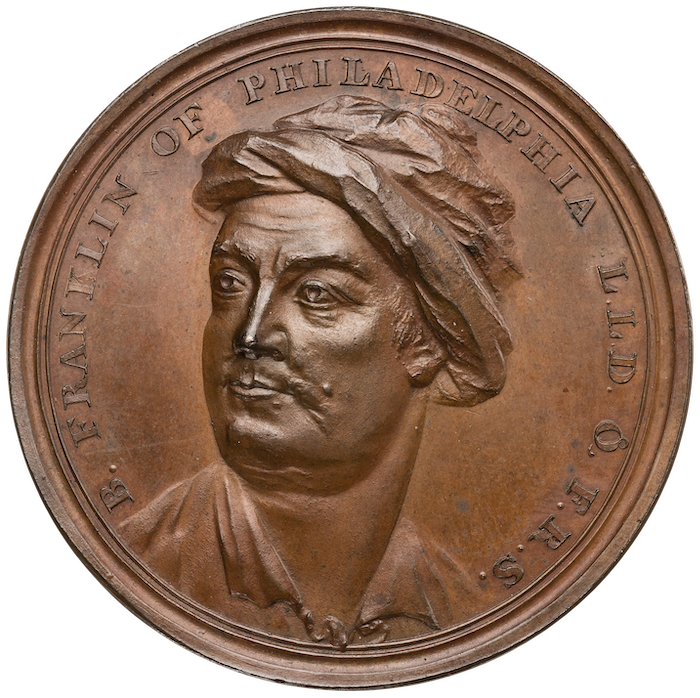
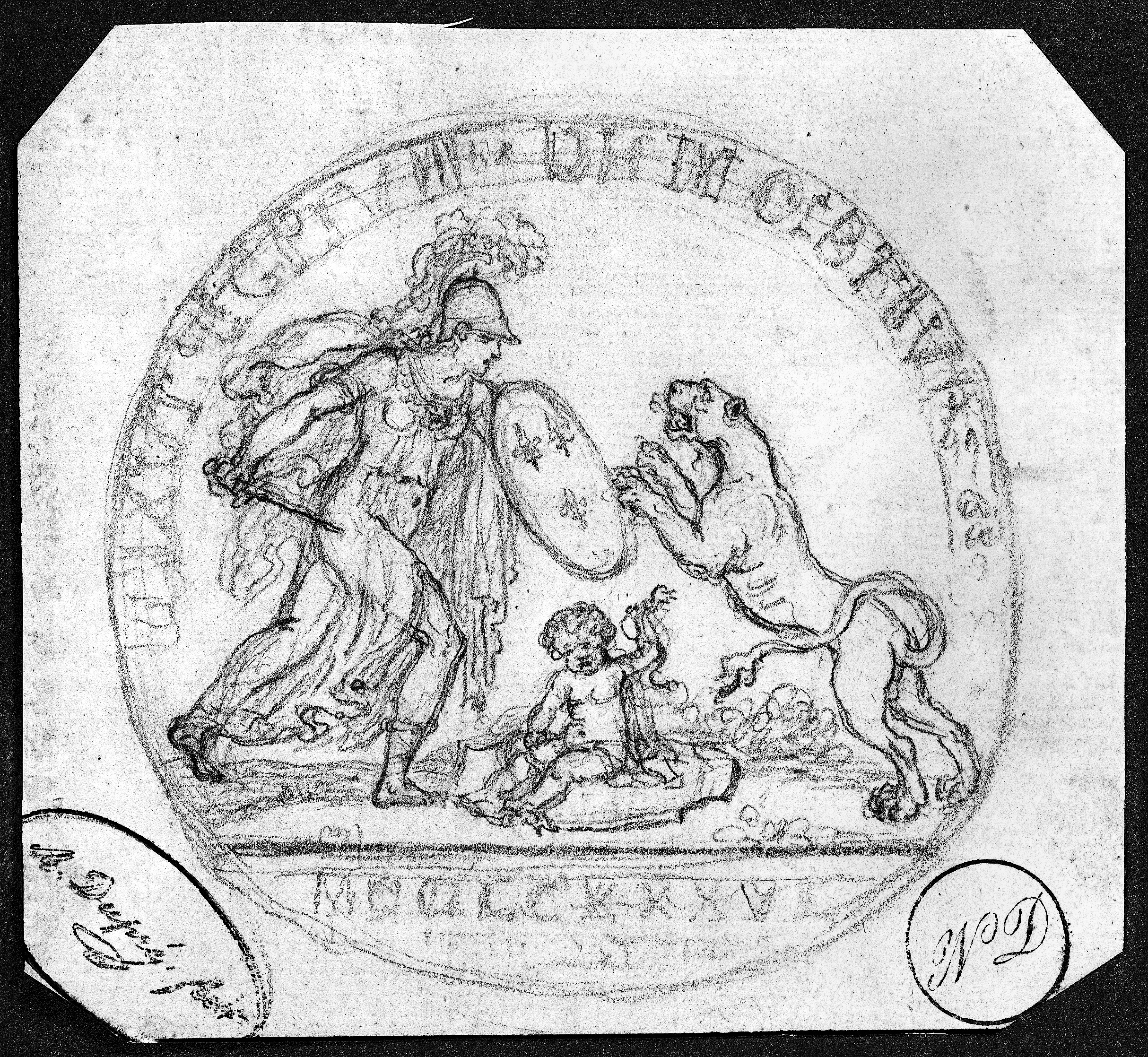
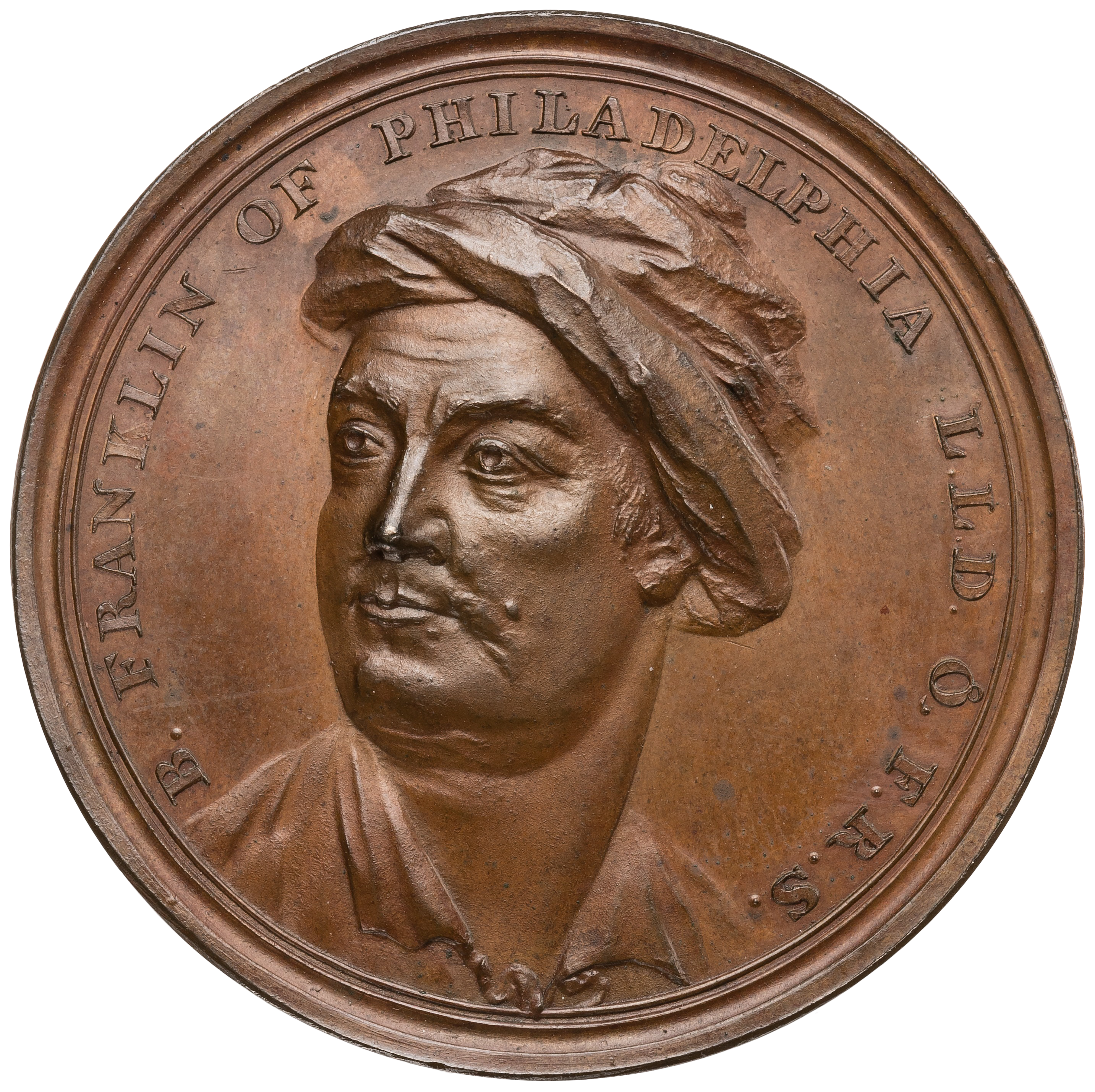
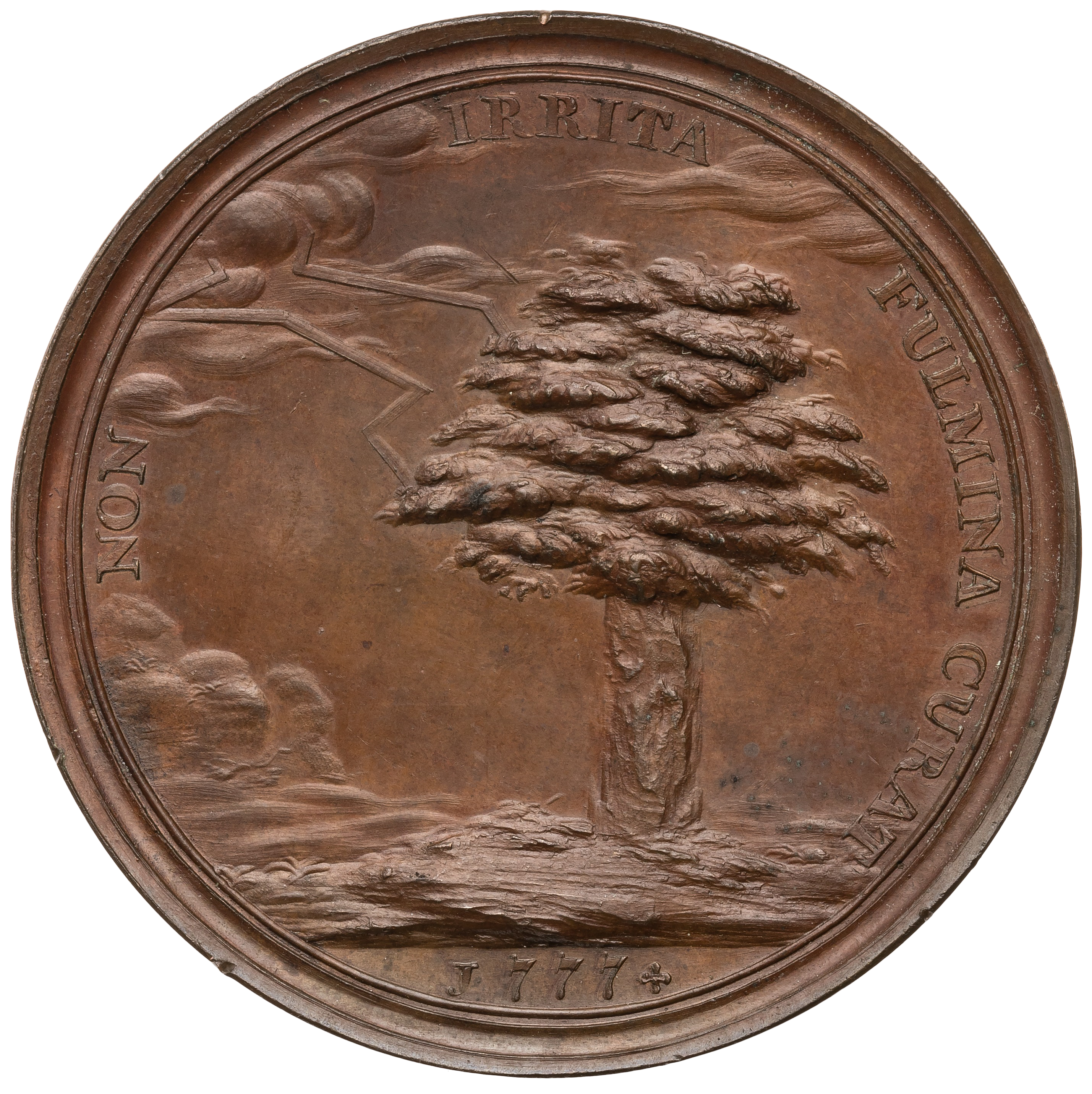
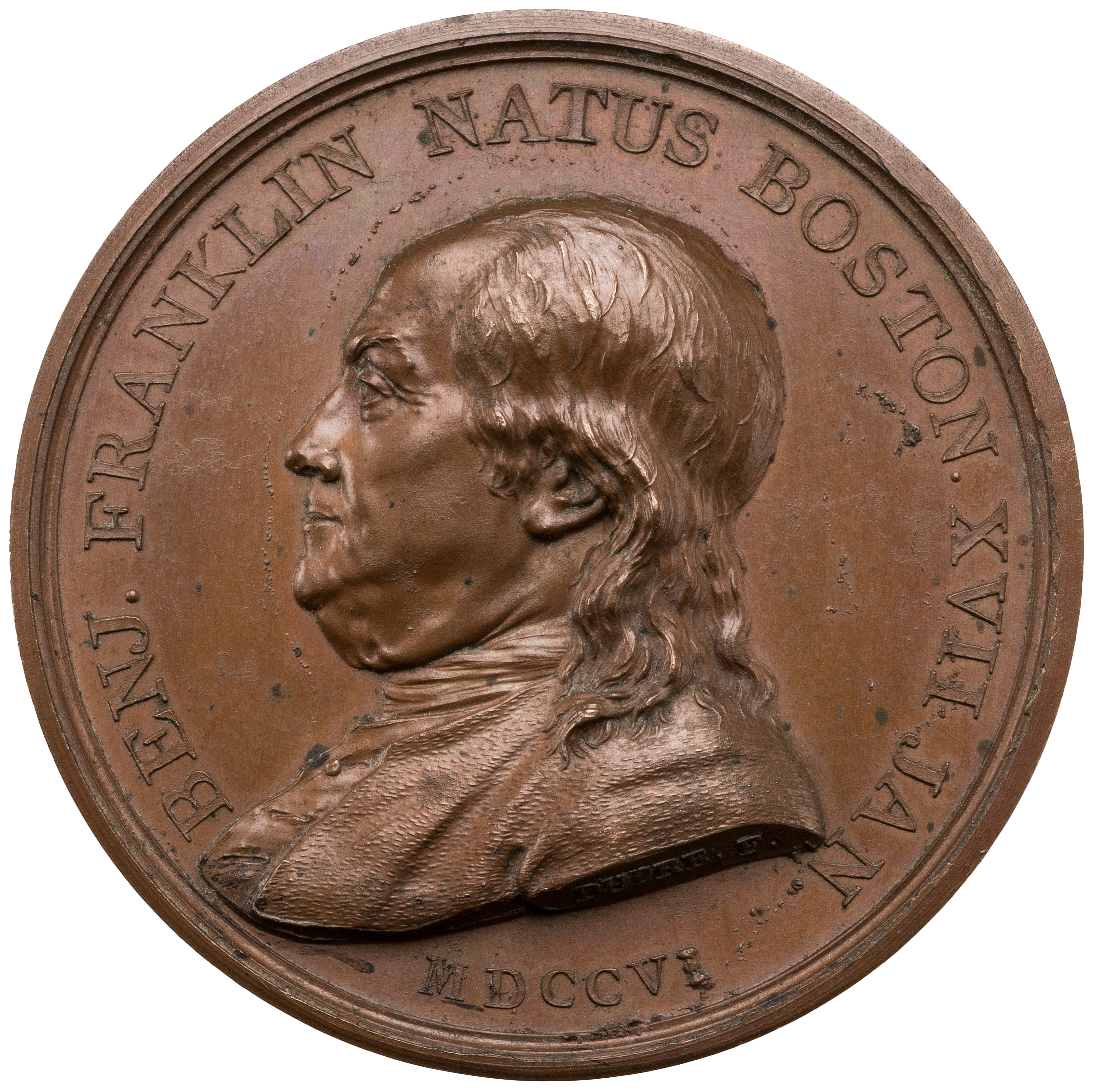
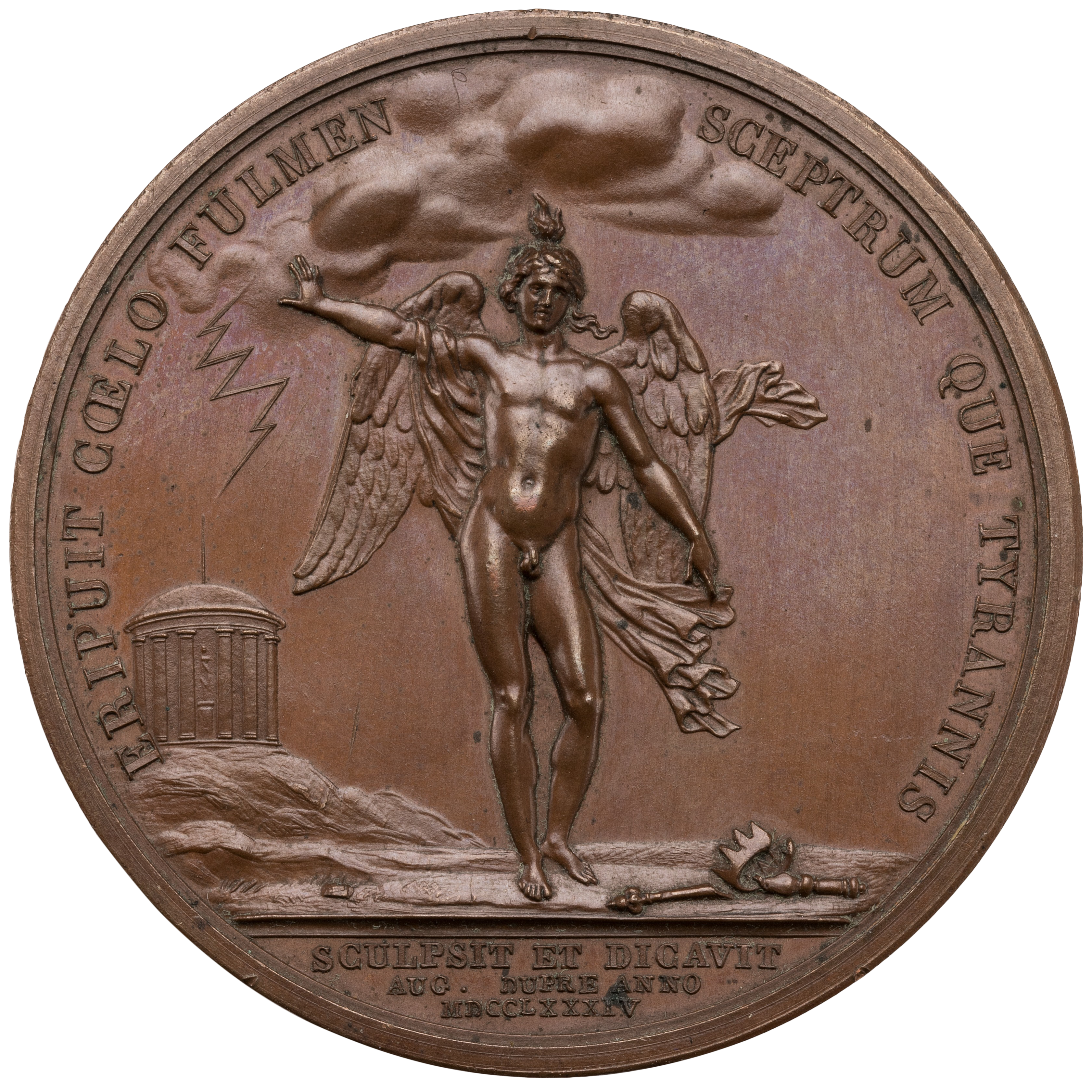
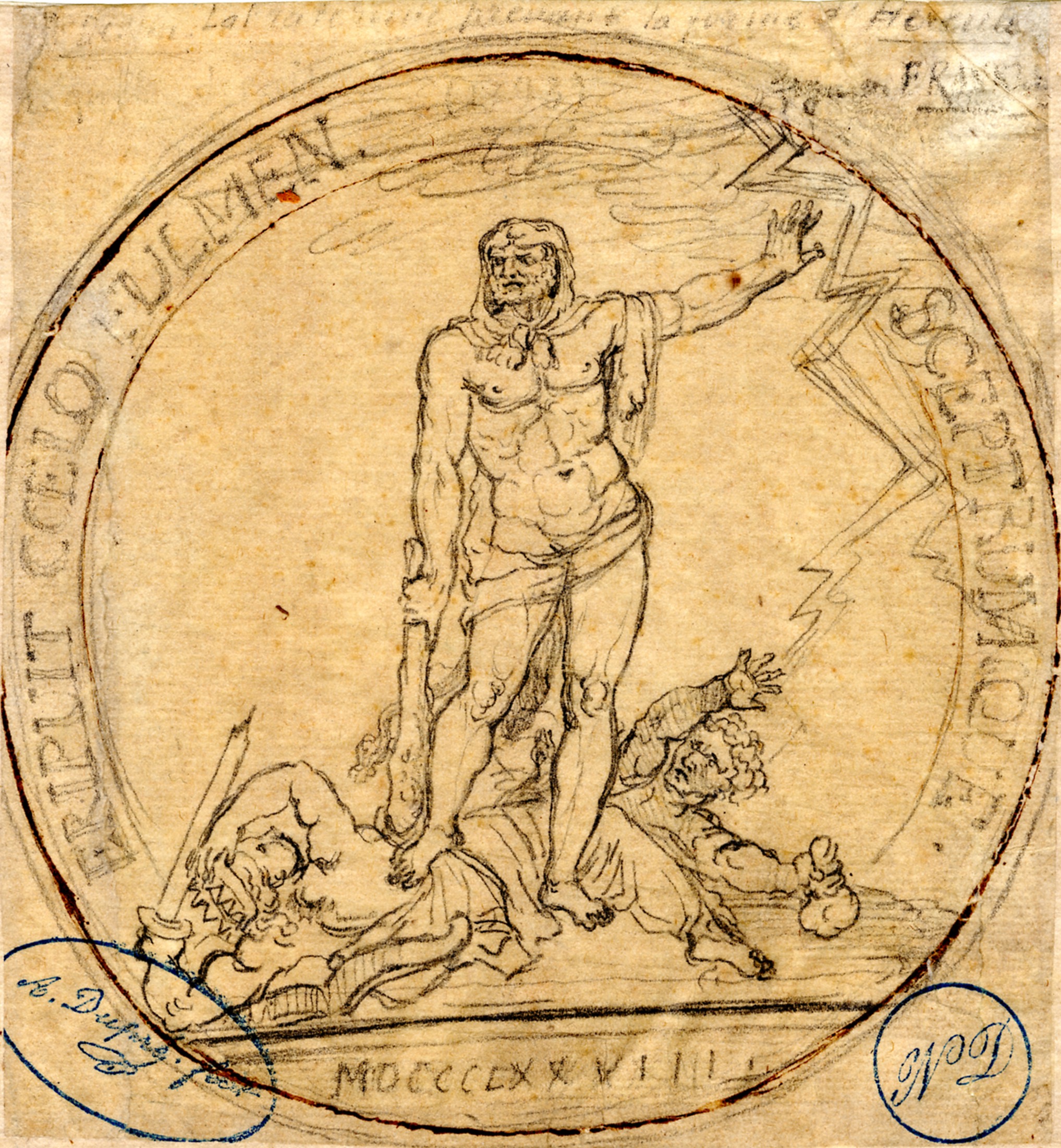
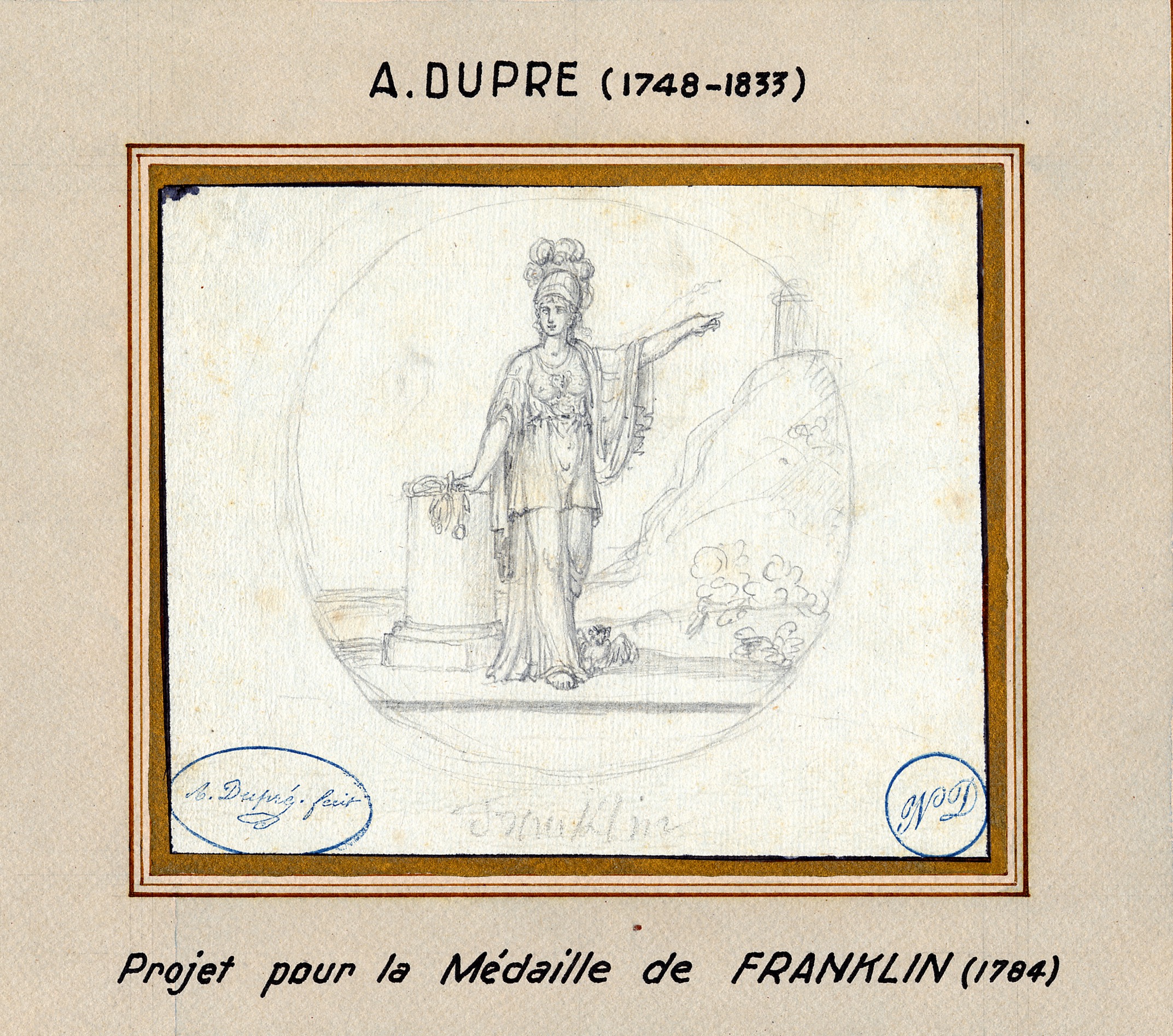
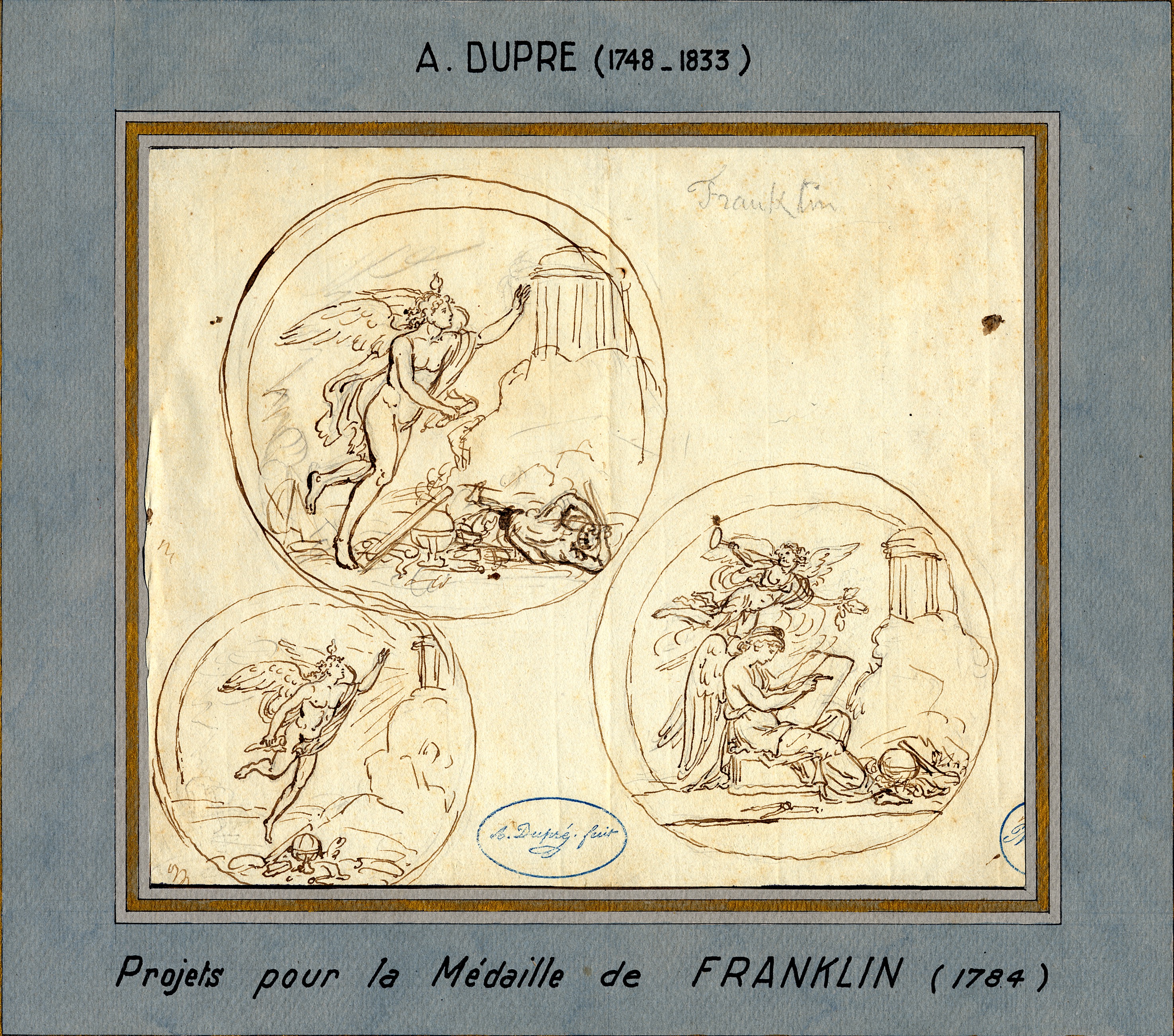
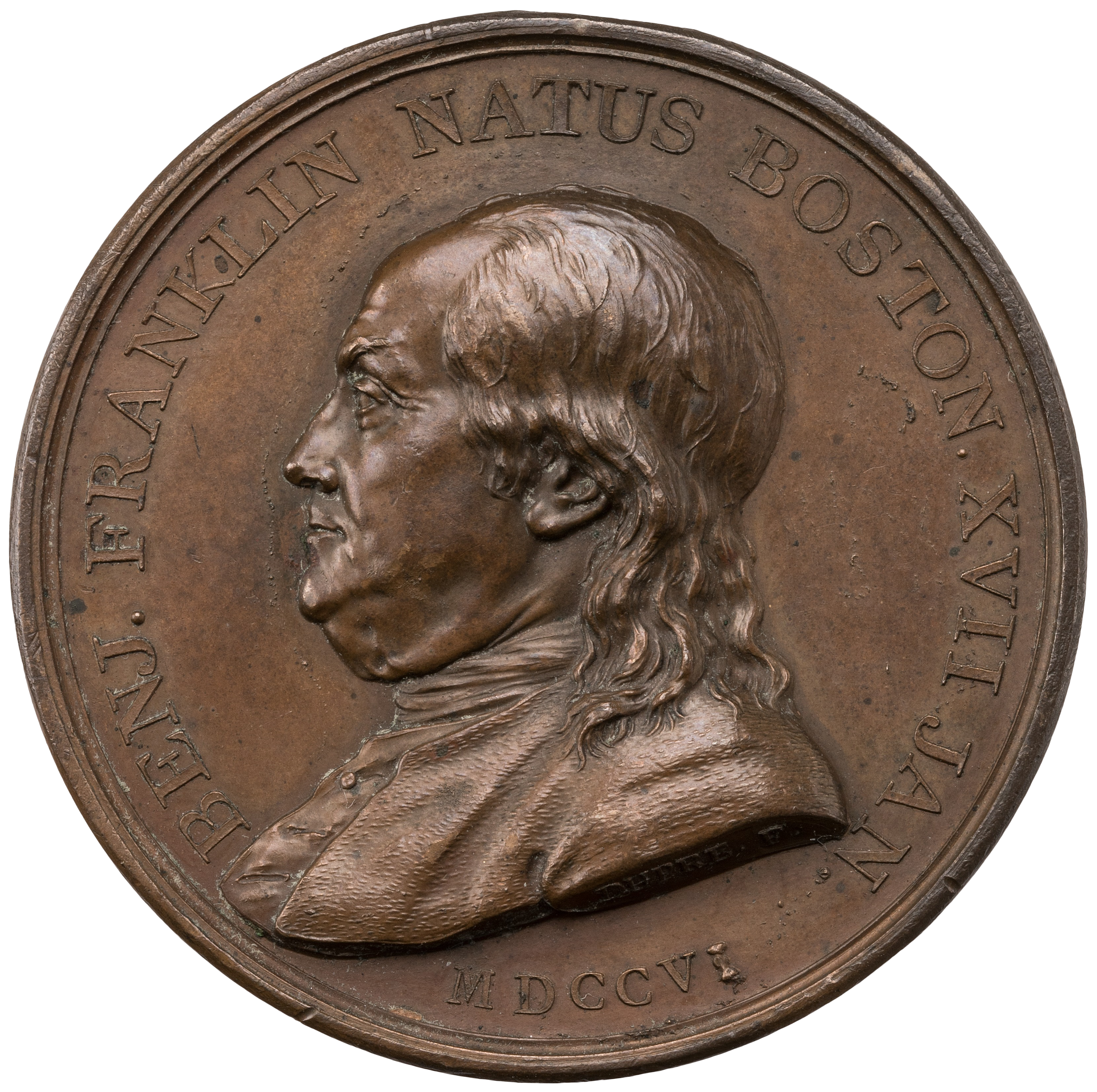
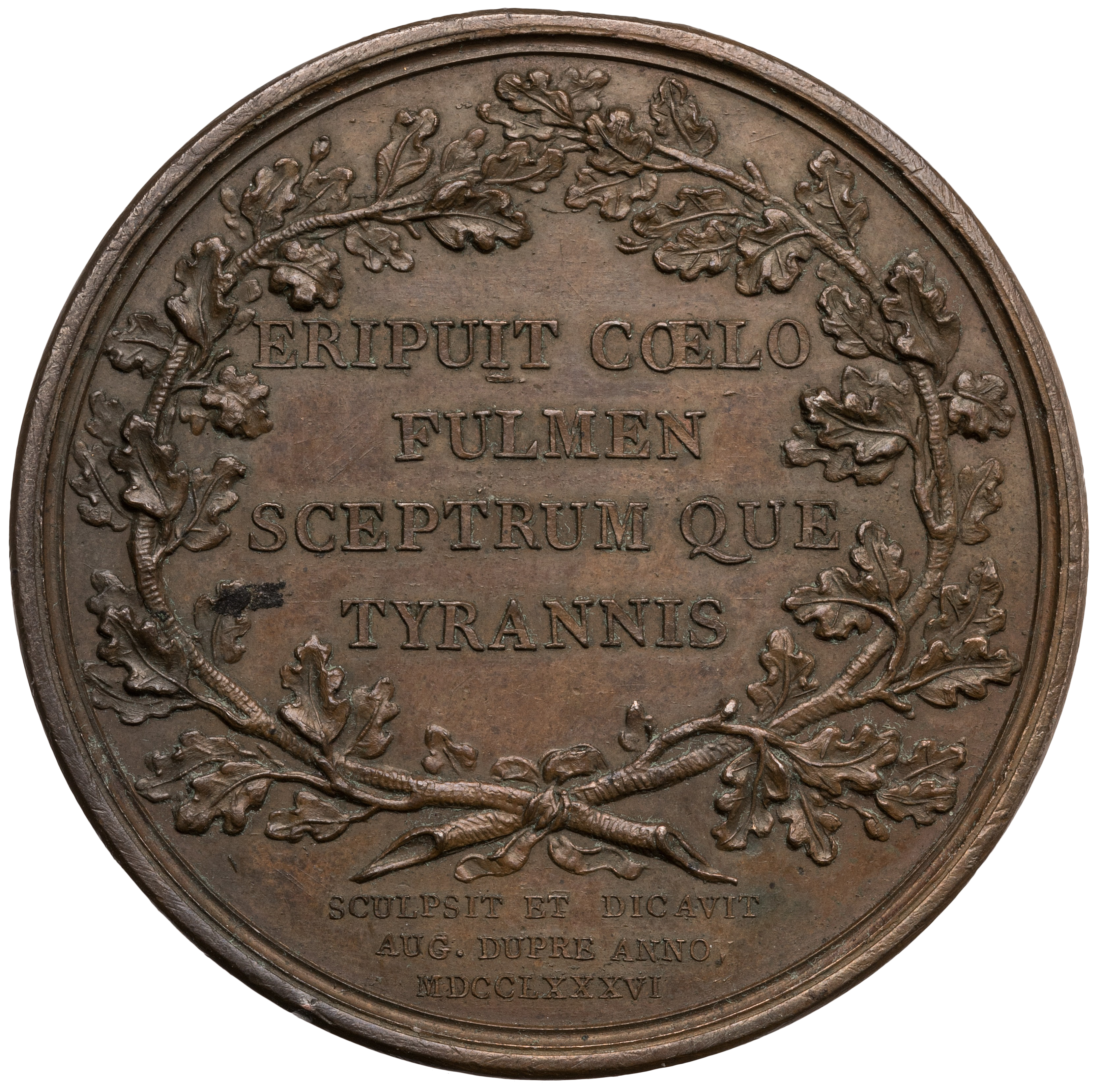
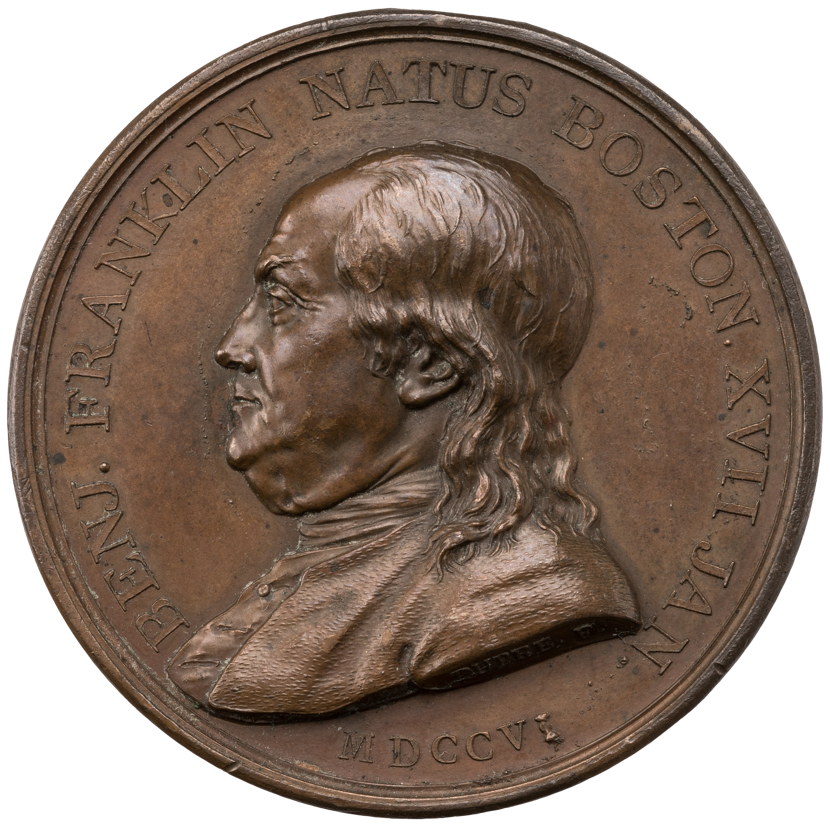
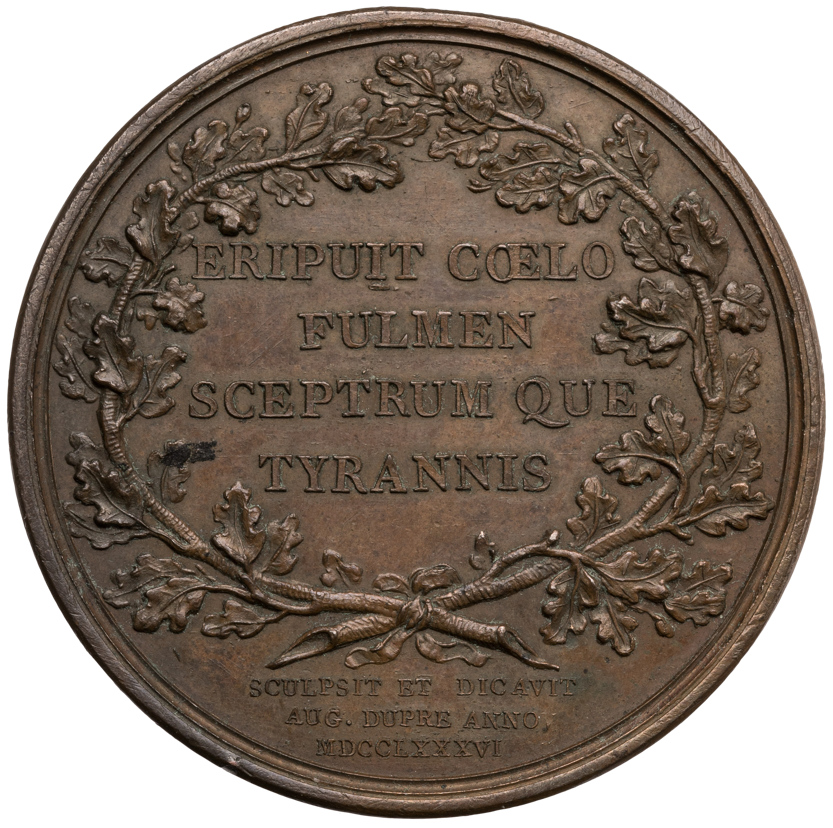
Three early medals pay tribute to Benjamin Franklin as scientist and diplomat, highlighting his discovery of electricity and invention of the lightning rod. Surviving sketches from engraver Augustin Dupré show how the design and symbolism of the 1784 medal evolved.
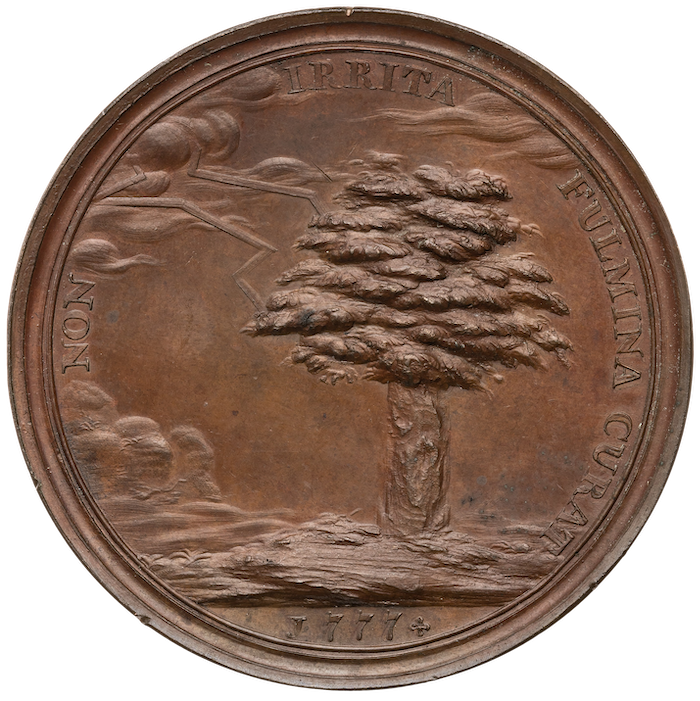
B. Franklin of Philadelphia, 1777
Bronze
American Numismatic Society 1967.226.79, Acquired from J. Coolidge Hills
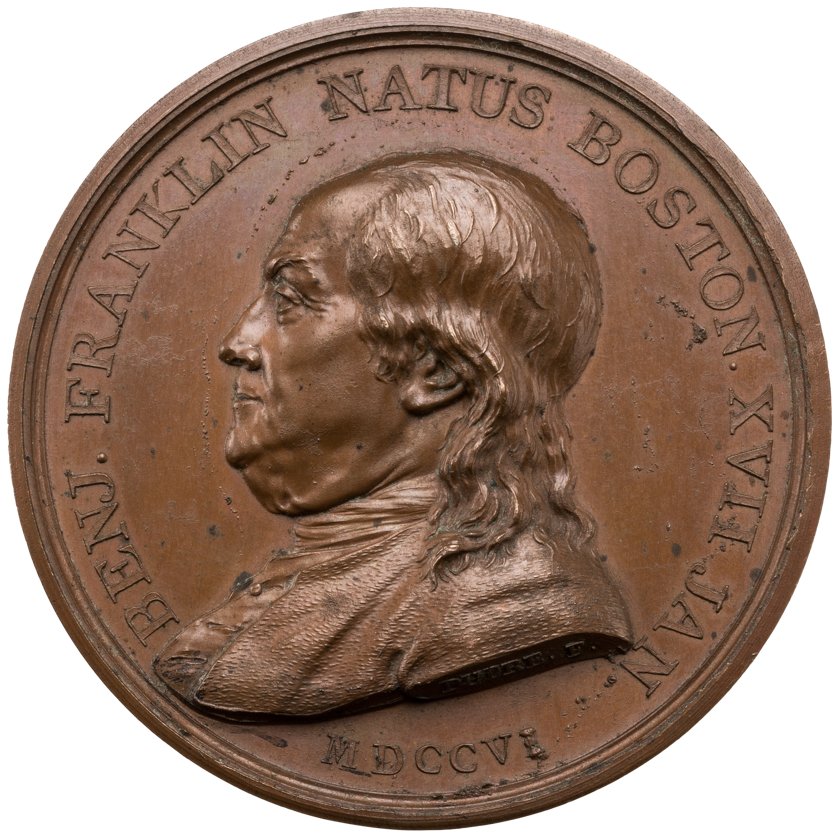
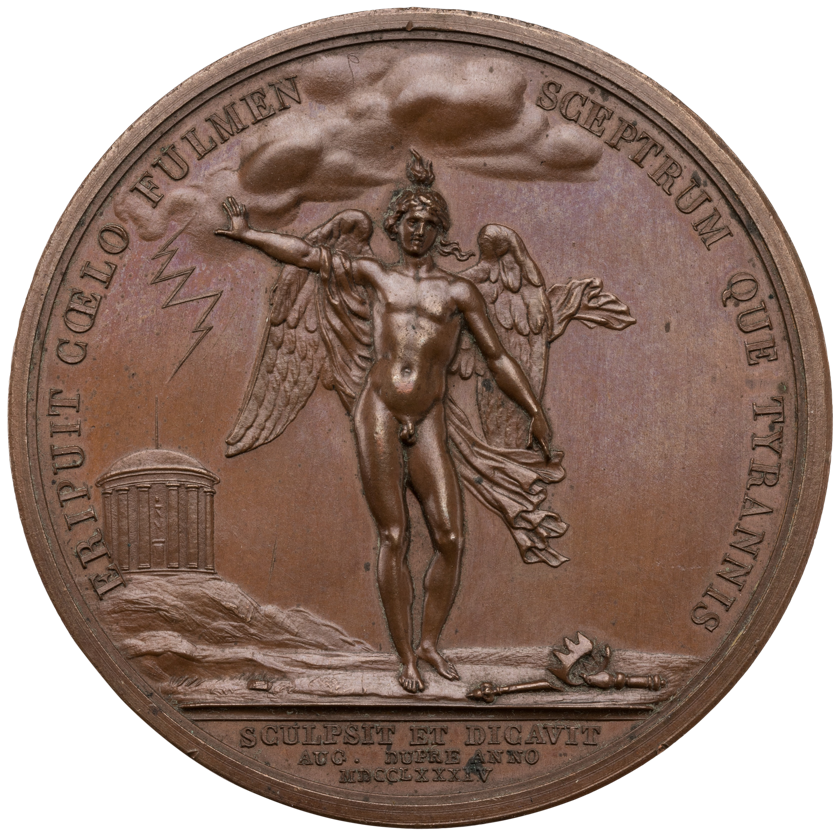
Benj. Franklin Natus Boston (Born in Boston), 1784
Bronze
Dies engraved by Augustin Dupré, Paris
1783-1786American Numismatic Society 1940.100.187 Acquired from R. J. Eidlitz
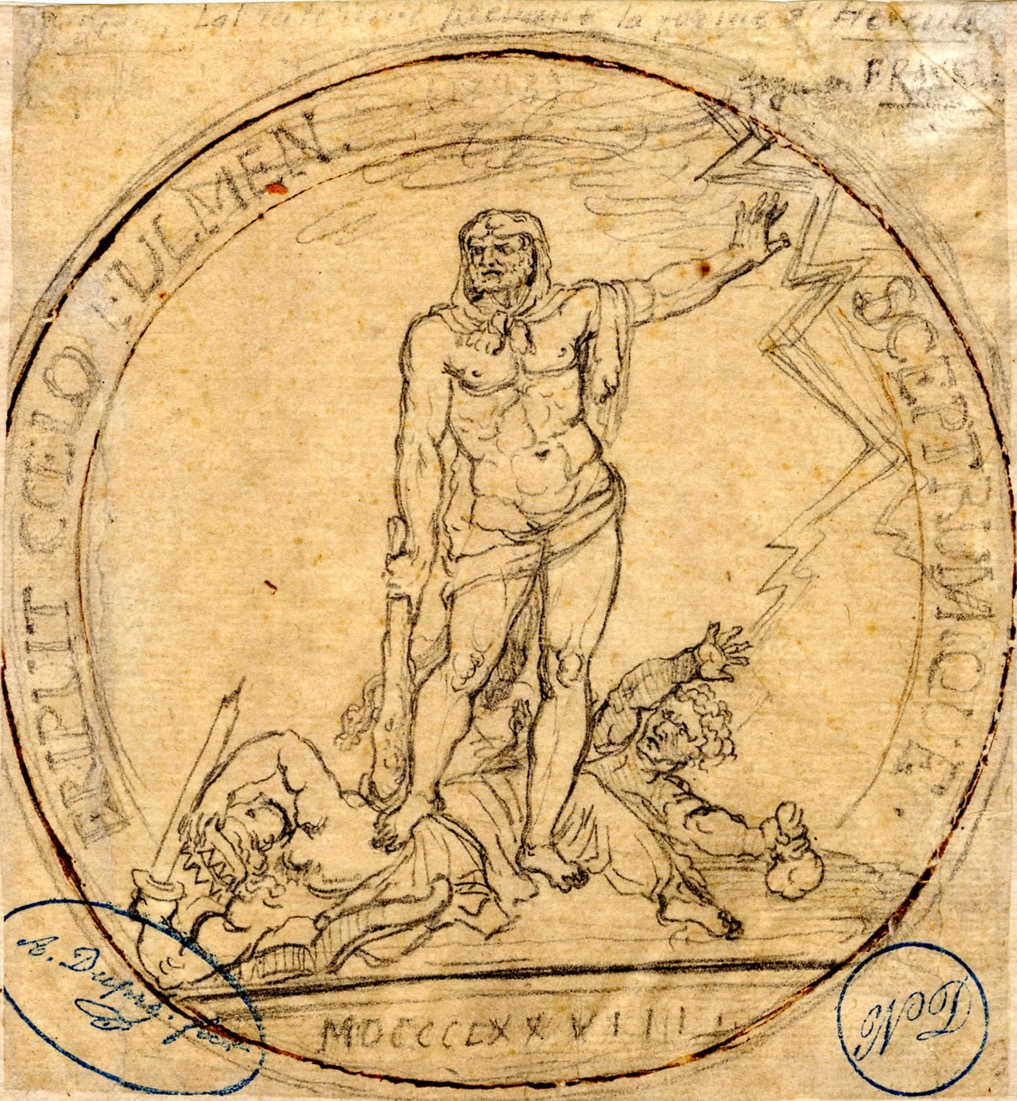
Sketch for Benjamin Franklin medal
By Augustin Dupré
undated, ca. 1784Courtesy of the American Philosophical Society
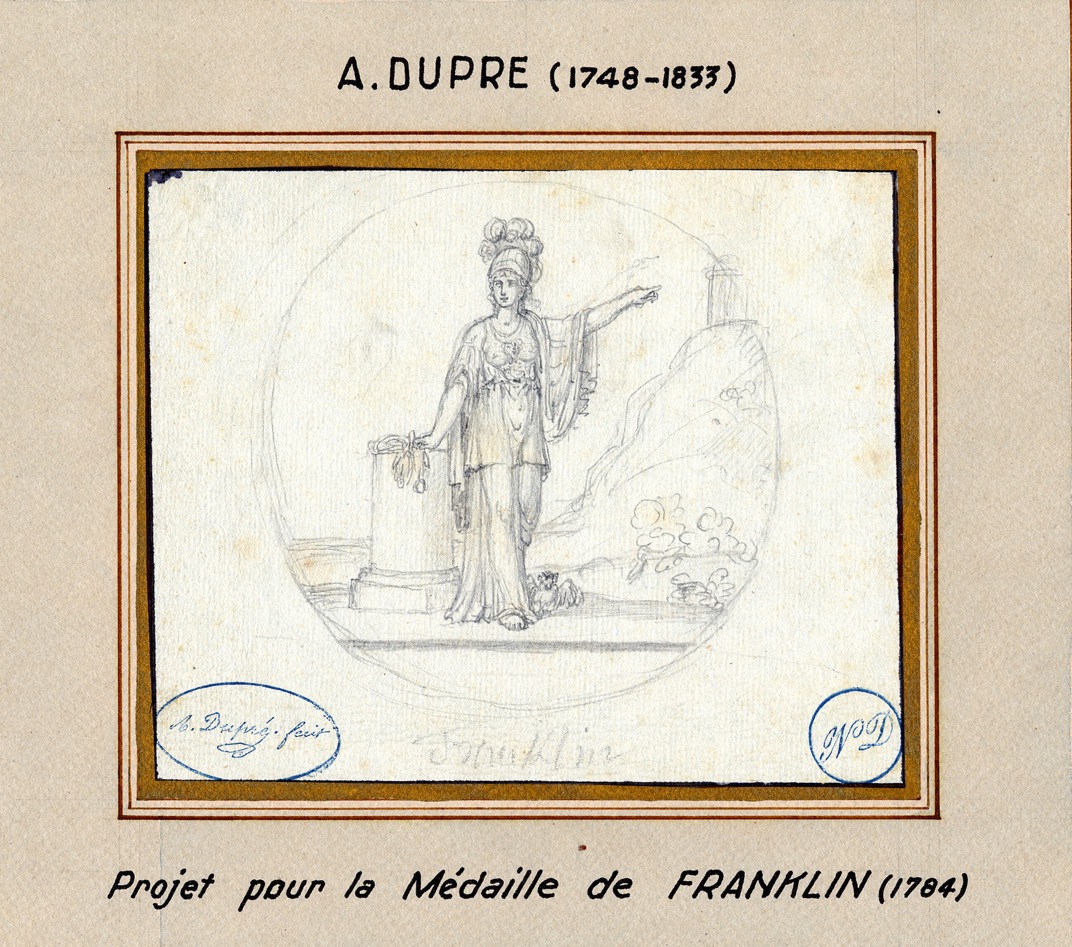
Sketch for Benjamin Franklin medal
By Augustin Dupré
undated, ca. 1784Courtesy of the American Philosophical Society
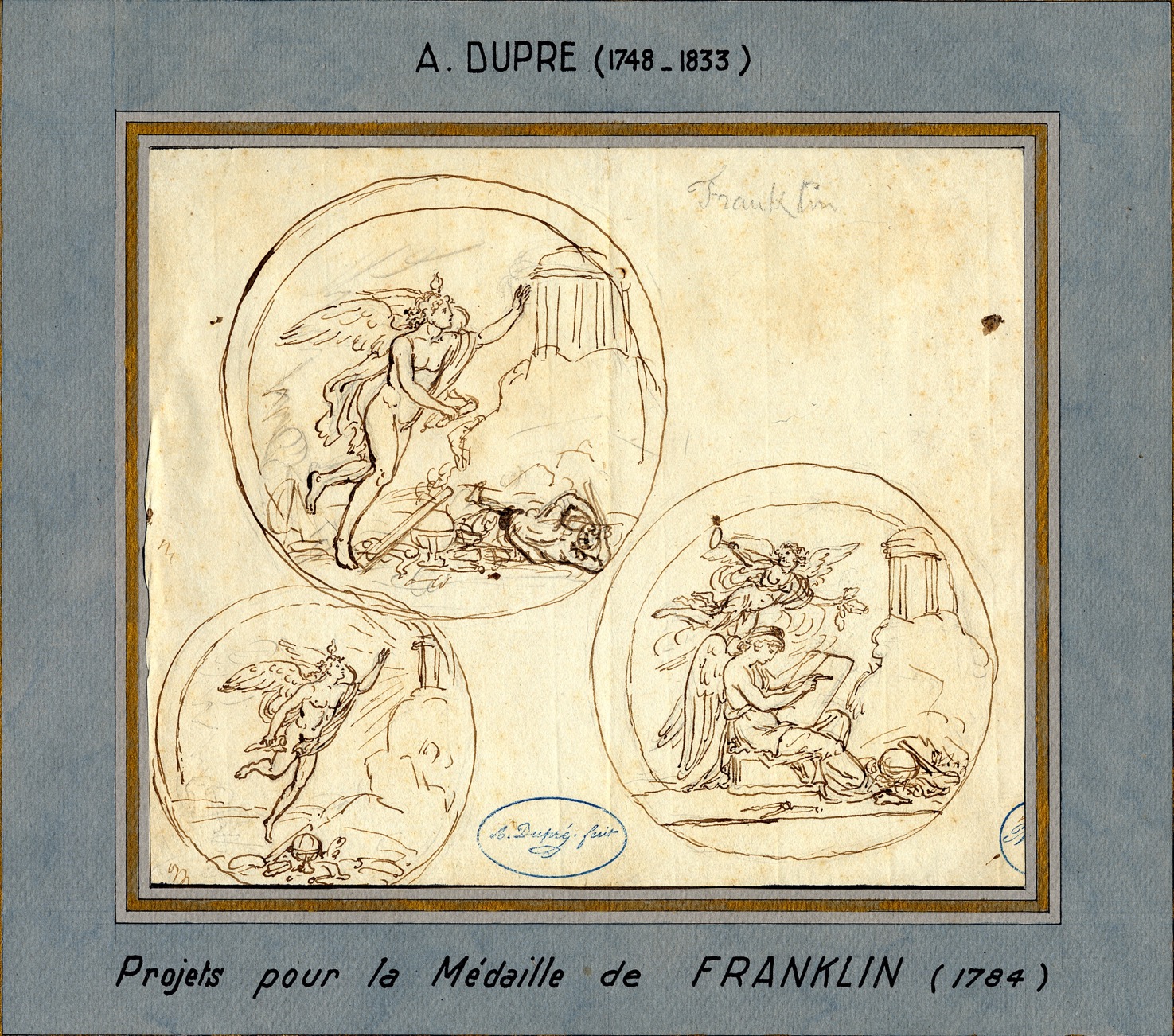
Sketches for Benjamin Franklin medal
By Augustin Dupré
undated, ca. 1784Courtesy of the American Philosophical Society
Benj. Franklin Natus Boston (Born in Boston), 1786
Bronze
Dies engraved by Augustin Dupré, Paris
1783-1786American Numismatic Society 1967.225.178, Acquired from J. Coolidge Hills
-
Diplomatic Medal of the United States
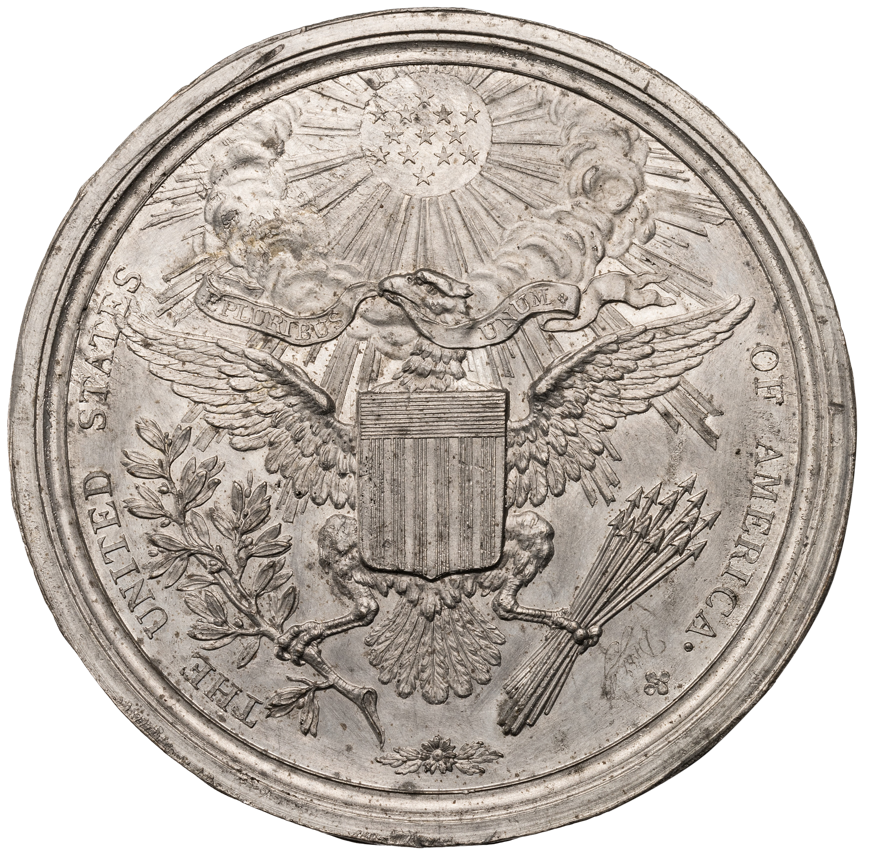
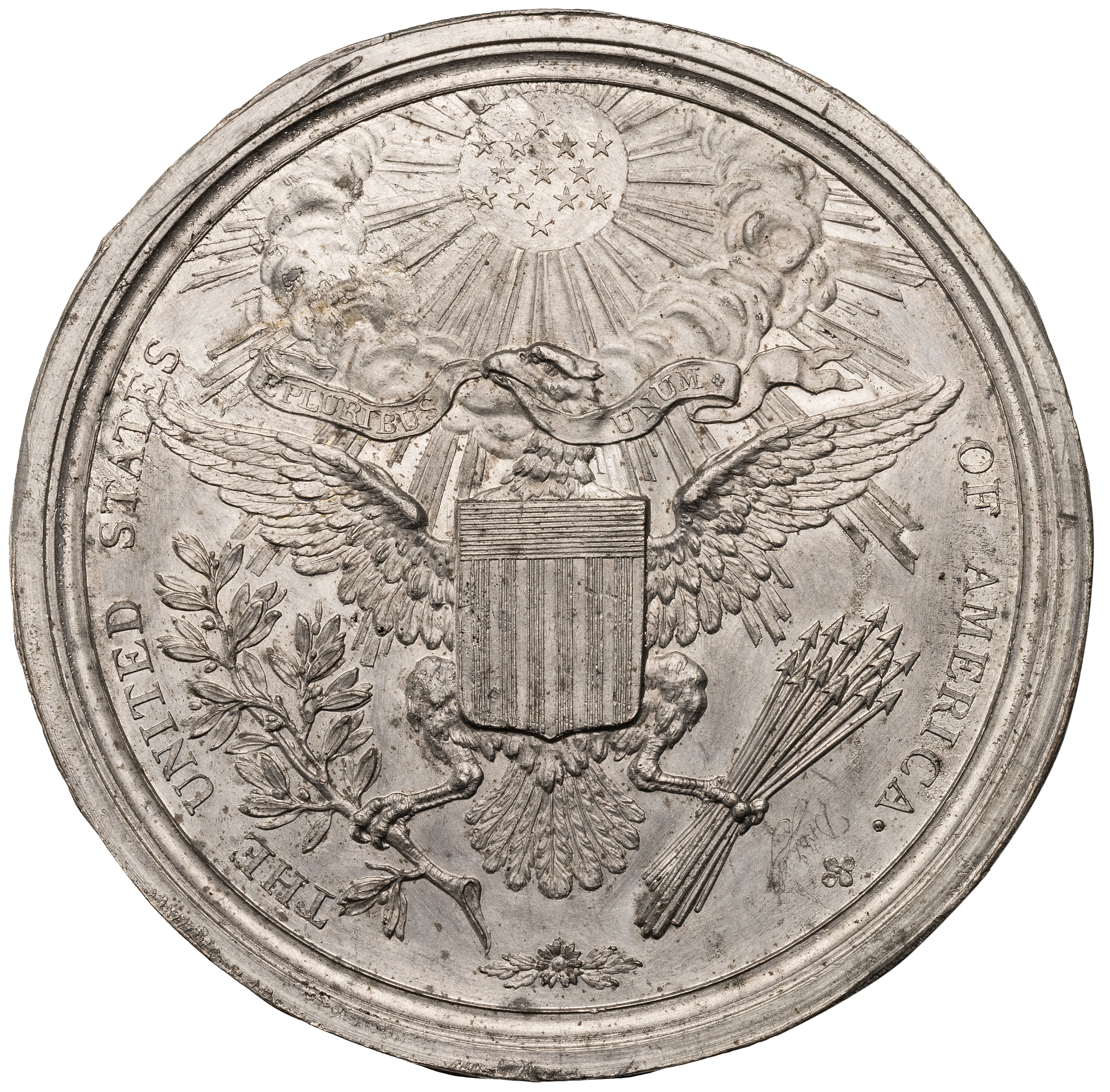
Gift-giving was an established part of 18th-century diplomacy. George Washington approved Thomas Jefferson’s suggestion for a gold medal to be “the American present” for retiring ministers from European nations. These trial impressions, called “splashers,” were made in lead to test the die.
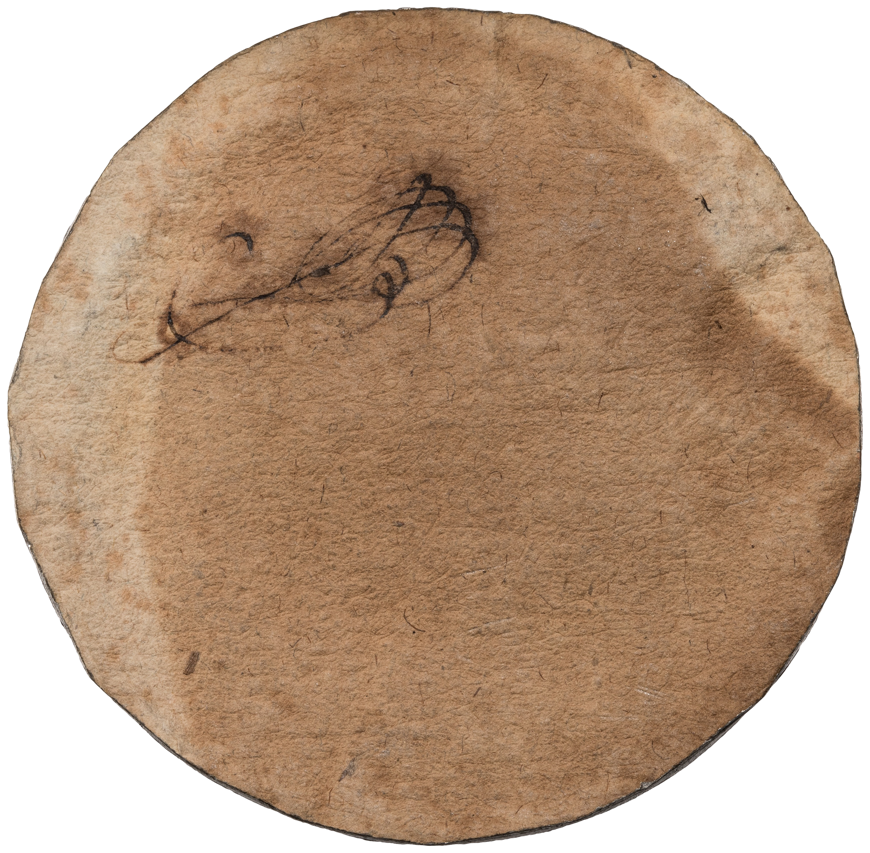
Diplomatic Medal of the United States, trial impression
Lead
Die engraved by Augustin Dupré, Paris
1791-1792American Numismatic Society 1935.126.23
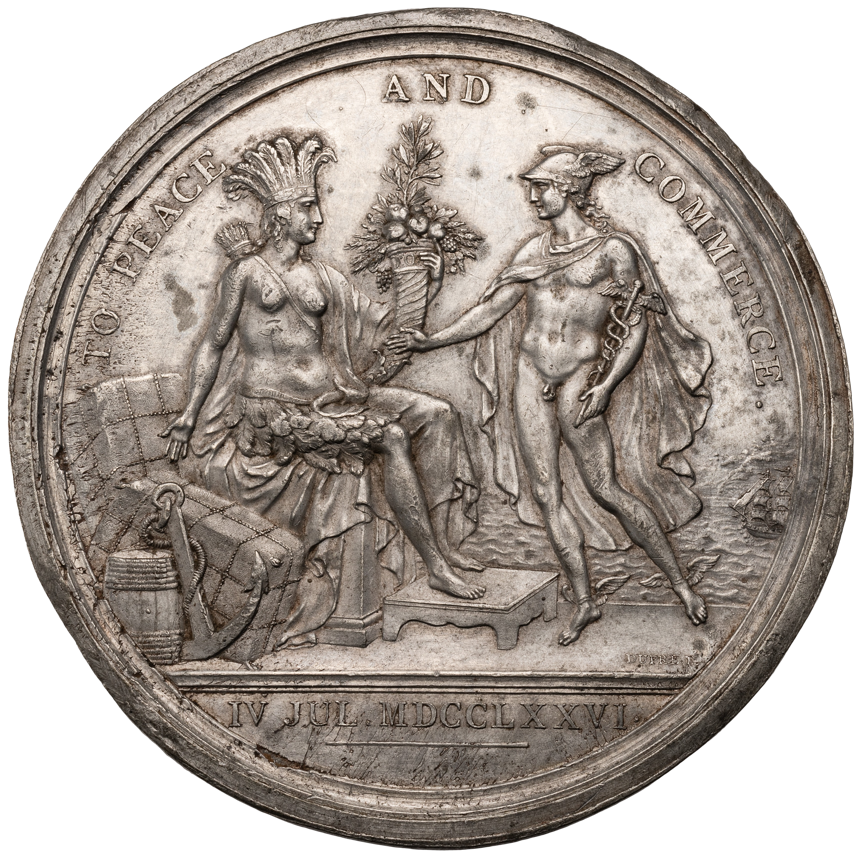
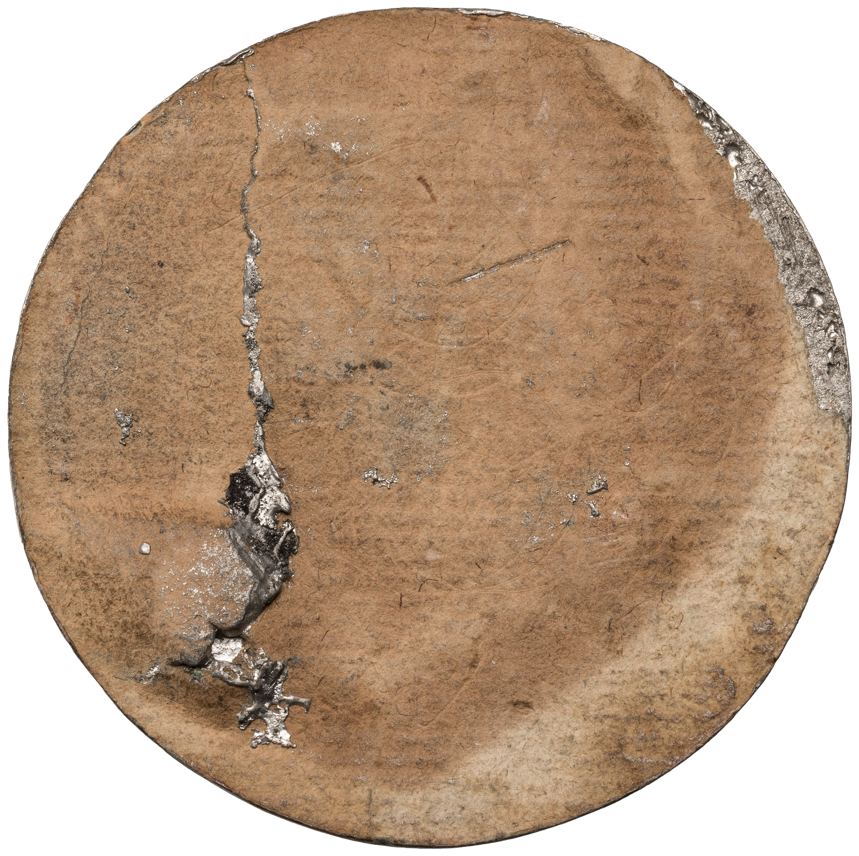
Diplomatic Medal of the United States, trial impression
Lead
Die engraved by Augustin Dupré, Paris
1801American Numismatic Society 1935.126.24